
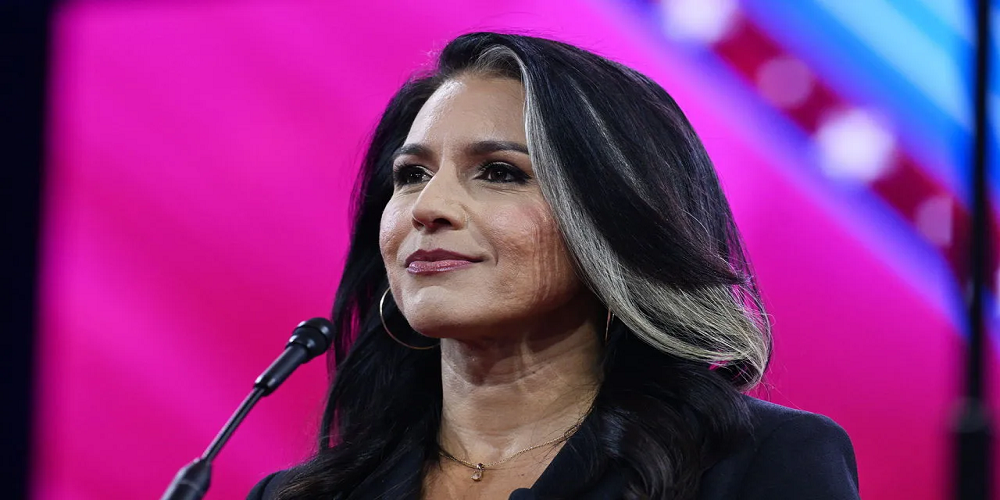
Tulsi Gabbard is one of the most distinctive figures in modern American politics. Known for her independent voice, military background, and willingness to challenge her own party, Tulsi Gabbard has built a reputation that crosses traditional political lines. From serving in the U.S. military to representing Hawaii in Congress, her career reflects a blend of public service, global awareness, and strong personal convictions.
Over the years, Tulsi Gabbard has evolved from a rising Democratic star to a political independent voice who often critiques the establishment. Her journey has attracted supporters who admire her courage as well as critics who question her positions. Regardless of political opinion, Tulsi Gabbard remains an influential and widely discussed public figure.
This article explores Tulsi Gabbard’s early life, military service, congressional career, presidential campaign, policy positions, media presence, and ongoing influence in American political discourse.
Early Life and Background
Tulsi Gabbard was born on April 12, 1981, in Leloaloa, American Samoa, and raised in Hawaii. Growing up in a multicultural and diverse environment played a significant role in shaping Tulsi Gabbard’s worldview. Her family emphasized values such as service, faith, and respect for different cultures, which later became central to her political identity.
Tulsi Gabbard was homeschooled for much of her early education, an experience she has said helped develop her independence and self-discipline. From a young age, she showed interest in leadership and civic engagement. These traits would soon push Tulsi Gabbard into public life at an unusually early age.
Entry Into Politics at a Young Age
Tulsi Gabbard’s political career began when she was just 21 years old. In 2002, she became one of the youngest legislators ever elected in Hawaii when she won a seat in the Hawaii State Legislature. Even at this early stage, Tulsi Gabbard focused on community issues and local concerns, emphasizing grassroots representation.
Her early experience in state politics gave Tulsi Gabbard a foundation in governance and policy-making. It also marked the beginning of her reputation as someone willing to take bold positions, even when controversial.
Military Service and Global Perspective
A defining part of Tulsi Gabbard’s identity is her military service. In 2003, Tulsi Gabbard joined the Hawaii Army National Guard. She later served two deployments in the Middle East, including a tour in Iraq where she worked in a medical unit, and a later deployment in Kuwait.
Her time in uniform deeply shaped Tulsi Gabbard’s foreign policy views. Witnessing the realities of war firsthand led her to become a vocal critic of what she describes as unnecessary regime-change wars. Tulsi Gabbard often references her military experience when discussing national security, diplomacy, and veterans’ issues.
Tulsi Gabbard continues to serve in the Army National Guard, and her rank and service record have added credibility to her voice in defense and foreign affairs discussions.
Election to the U.S. House of Representatives
In 2012, Tulsi Gabbard was elected to represent Hawaii’s 2nd congressional district in the U.S. House of Representatives. At the time, Tulsi Gabbard became one of the first female combat veterans elected to Congress and one of the first Hindu members of Congress.
During her time in the House, Tulsi Gabbard served on key committees related to foreign affairs and armed services. She quickly gained national attention for her outspoken views on U.S. foreign policy, particularly her opposition to interventionist strategies.
Tulsi Gabbard often argued that American military power should be used carefully and primarily for direct national security interests. This stance distinguished her from many members of both major parties.
Foreign Policy Views
Foreign policy has been one of the most consistent themes in Tulsi Gabbard’s career. Tulsi Gabbard has repeatedly criticized regime-change wars and called for a focus on counterterrorism rather than nation-building.
Tulsi Gabbard has also emphasized diplomacy over military intervention, advocating for dialogue even with adversarial nations. Supporters see Tulsi Gabbard as a voice of restraint, while critics argue that some of her positions have been too sympathetic to authoritarian leaders. Still, Tulsi Gabbard maintains that her primary concern is preventing unnecessary wars and protecting American service members.
Her foreign policy perspective is closely tied to her military background, and Tulsi Gabbard frequently highlights the human cost of conflict when making her case.
Domestic Policy Positions
While Tulsi Gabbard is often associated with foreign policy, she has also taken strong positions on domestic issues. Tulsi Gabbard has supported healthcare reform, environmental protection, and criminal justice reform during her time in Congress.
Tulsi Gabbard has spoken about the need to address climate change, particularly given Hawaii’s vulnerability to environmental challenges. She has also advocated for civil liberties and has criticized government overreach in areas related to surveillance and privacy.
Tulsi Gabbard’s blend of progressive domestic policies and more conservative-leaning foreign policy views made her difficult to categorize within traditional party lines.
2020 Presidential Campaign
Tulsi Gabbard ran for the Democratic presidential nomination in 2020. Her campaign focused heavily on ending regime-change wars, reforming the political establishment, and promoting what she described as a foreign policy of peace and realism.
Although Tulsi Gabbard did not win the nomination, her campaign brought her national recognition. Tulsi Gabbard participated in several high-profile debates and was known for directly challenging other candidates on foreign policy and national security.
Her debate performances gained both praise and criticism, but they ensured that Tulsi Gabbard remained a central figure in political conversations well beyond the campaign.
Break With the Democratic Party
In the years following her presidential campaign, Tulsi Gabbard grew increasingly critical of the Democratic Party leadership. Tulsi Gabbard publicly expressed concerns about what she saw as growing political polarization, censorship, and a lack of openness to dissenting views.
Eventually, Tulsi Gabbard announced that she no longer identified with the Democratic Party. This decision marked a major turning point in her political journey. Tulsi Gabbard positioned herself as an independent voice, arguing that the political system needed reform beyond traditional party structures.
This shift further increased public attention on Tulsi Gabbard, as she began appearing more frequently in media discussions about political realignment and independent thought.
Media Presence and Public Commentary
After leaving Congress, Tulsi Gabbard expanded her presence in media and public commentary. Tulsi Gabbard became a regular voice on political talk shows, podcasts, and news programs, discussing foreign policy, civil liberties, and American political culture.
Tulsi Gabbard’s communication style is direct and often critical of both major parties. This has helped her maintain a loyal following while also attracting scrutiny. Tulsi Gabbard uses these platforms to continue advocating for issues she believes are being ignored by mainstream political leaders.
Her ability to connect with audiences outside traditional political spaces has helped Tulsi Gabbard remain relevant in national debates.
Appeal Across Party Lines
One reason Tulsi Gabbard stands out is her cross-partisan appeal. Tulsi Gabbard has supporters among Democrats, Republicans, independents, and veterans who appreciate her focus on service and national unity.
Tulsi Gabbard often speaks about reducing political division and finding common ground. While not everyone agrees with her positions, many respect Tulsi Gabbard for being willing to challenge her own side and speak independently.
This broad appeal has kept Tulsi Gabbard influential even without holding elected office.
Criticism and Controversy
Like many prominent figures, Tulsi Gabbard has faced criticism. Some critics question Tulsi Gabbard’s foreign policy views, arguing that her emphasis on diplomacy can sometimes appear too lenient toward authoritarian governments.
Others have challenged Tulsi Gabbard’s changing political affiliations, suggesting that her evolution reflects broader shifts in the American political landscape. Tulsi Gabbard has responded by saying her principles have remained consistent, even if party platforms have changed.
Despite controversy, Tulsi Gabbard continues to defend her positions as rooted in her experiences and commitment to national service.
Personal Beliefs and Leadership Style
Tulsi Gabbard often emphasizes values such as service, integrity, and courage. Tulsi Gabbard’s leadership style reflects her military background, focusing on discipline, responsibility, and mission-driven goals.
She also speaks openly about the importance of faith and personal character in public life. Tulsi Gabbard presents herself as someone guided by moral conviction rather than political convenience.
These personal elements play a major role in how Tulsi Gabbard connects with supporters and explains her decisions.
Influence on Modern Political Discourse
Even outside elected office, Tulsi Gabbard remains a significant voice in discussions about war, civil liberties, and political reform. Tulsi Gabbard has influenced debates on foreign intervention and has encouraged more Americans to question long-standing foreign policy approaches.
Tulsi Gabbard’s willingness to challenge party leadership has also contributed to broader conversations about independent political identities. As polarization continues in American politics, Tulsi Gabbard represents a model of a public figure who resists strict party alignment.
Her influence extends beyond legislation into cultural and ideological discussions about the future of American democracy.
The Future of Tulsi Gabbard
The future path of Tulsi Gabbard remains a topic of speculation. Whether through media, activism, or a potential return to elected office, Tulsi Gabbard continues to shape political conversations.
Tulsi Gabbard’s background in the military, Congress, and national campaigns ensures that her voice carries weight in discussions about national security and civil liberties. As American politics continues to evolve, Tulsi Gabbard is likely to remain a notable and sometimes controversial figure.
FAQs About Tulsi Gabbard
Who is Tulsi Gabbard?
Tulsi Gabbard is an American politician, military officer, and public commentator who served as a U.S. Representative from Hawaii and ran for president in 2020.
What is Tulsi Gabbard known for?
Tulsi Gabbard is best known for her military service, her opposition to regime-change wars, and her independent political stance that often challenges party leadership.
Did Tulsi Gabbard serve in the military?
Yes, Tulsi Gabbard serves in the Army National Guard and has been deployed to the Middle East. Her military experience strongly influences her views on foreign policy.
What party does Tulsi Gabbard belong to?
Tulsi Gabbard was previously a Democrat but later became politically independent after criticizing party leadership and direction.
What were Tulsi Gabbard’s main campaign issues in 2020?
Tulsi Gabbard focused on ending regime-change wars, reforming foreign policy, and addressing political corruption during her presidential campaign.
Why is Tulsi Gabbard considered controversial?
Tulsi Gabbard is considered controversial mainly due to her foreign policy views and her criticism of both major political parties.
Is Tulsi Gabbard still involved in politics?
Yes, Tulsi Gabbard remains active in political discussions through media appearances, public speaking, and advocacy on national issues.
Leave A Comment
0 Comment