
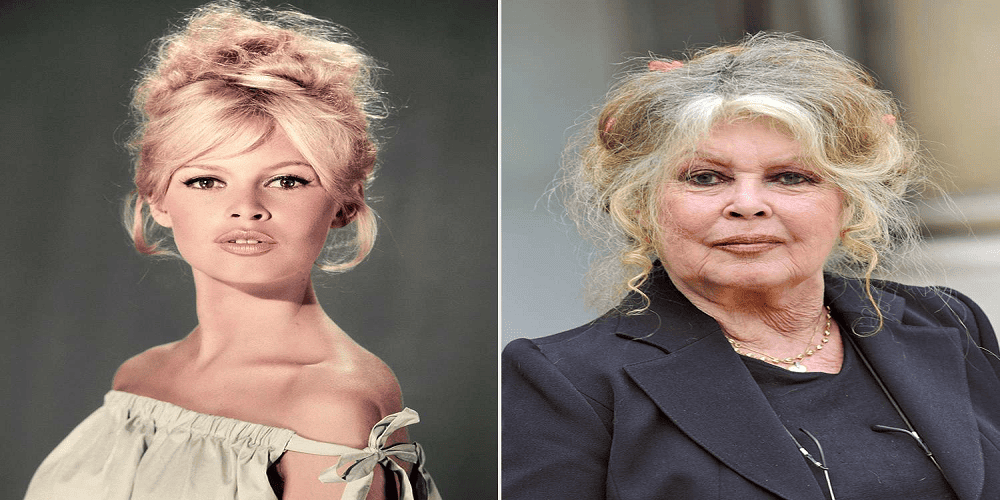
Brigitte Bardot is one of the most iconic figures in French cinema and global popular culture. Known for her beauty, bold personality, and trailblazing influence on fashion and film, Bardot’s legacy is as controversial as it is celebrated. Over the decades, the Brigitte Bardot controversy has remained a recurring topic in global media, fueled by her outspoken views, legal troubles, and polarizing statements.
This article explores the Brigitte Bardot controversy in depth, examining its origins, evolution, cultural impact, and the reasons why Bardot continues to spark debate long after stepping away from the film industry.
Who Is Brigitte Bardot?
Brigitte Bardot was born in Paris in 1934 and rose to international fame in the 1950s. She became a symbol of liberation, sensuality, and rebellion during a time when conservative norms dominated European society. Her breakout role in And God Created Woman made her a global sex symbol and a defining figure of the French New Wave era.
However, alongside her success, the Brigitte Bardot controversy began to take shape. Bardot never fit into traditional celebrity molds. She rejected Hollywood conventions, spoke openly about her beliefs, and refused to soften her opinions for public approval.
Early Signs of the Brigitte Bardot Controversy
The roots of the Brigitte Bardot controversy can be traced back to her early career. At a time when actresses were expected to maintain a polished and obedient public image, Bardot challenged expectations.
She openly criticized the film industry, spoke about her mental health struggles, and expressed frustration with fame. Her honesty, while refreshing to some, was unsettling to others. Critics accused her of arrogance, while fans admired her authenticity.
Her personal life also attracted controversy. Multiple marriages, highly publicized relationships, and candid interviews kept Bardot in constant media scrutiny.
Brigitte Bardot and Feminism: A Complex Relationship
One of the most debated aspects of the Brigitte Bardot controversy is her relationship with feminism. Despite being viewed as a symbol of female liberation, Bardot herself rejected the feminist label.
She argued that she never intended to represent a movement and felt uncomfortable being politicized. This stance confused and angered many feminists who saw her as a trailblazer for women’s autonomy.
The Brigitte Bardot controversy intensified as critics accused her of benefiting from feminist progress while refusing to support feminist causes publicly.
Political Views and Public Statements
Brigitte Bardot’s outspoken political views have played a major role in sustaining the Brigitte Bardot controversy. Over the years, she has made statements on immigration, religion, and French national identity that sparked widespread criticism.
Many of her remarks were labeled xenophobic or inflammatory, leading to legal consequences in France, where hate speech laws are strictly enforced. These incidents cemented her reputation as a controversial public figure.
Supporters argue that Bardot exercises her right to free speech, while critics believe her platform amplifies harmful rhetoric. This clash of perspectives lies at the heart of the Brigitte Bardot controversy.
Legal Battles and Court Cases
Several court rulings have contributed significantly to the Brigitte Bardot controversy. Bardot has been fined multiple times for statements deemed discriminatory or hateful.
French courts ruled that some of her comments crossed legal boundaries, particularly regarding religious and ethnic groups. These verdicts were widely reported, reigniting debates about freedom of expression versus social responsibility.
Each legal case added another layer to the Brigitte Bardot controversy, ensuring that her name remained in headlines long after her acting career ended.
Animal Rights Activism: Praise and Criticism
Brigitte Bardot is also known for her intense commitment to animal rights. She founded the Brigitte Bardot Foundation, which focuses on animal welfare and protection.
While her activism has earned praise globally, it has also fueled the Brigitte Bardot controversy. Critics argue that her aggressive tone and extreme language undermine her cause.
Despite this, Bardot’s influence in animal rights legislation and awareness campaigns is undeniable. The Brigitte Bardot controversy here reflects the tension between passion-driven activism and diplomatic advocacy.
Media Representation and Public Perception
Media coverage has played a crucial role in shaping the Brigitte Bardot controversy. French and international outlets often portray her as either a fearless truth-teller or a problematic celebrity unwilling to adapt to modern values.
This polarized representation has ensured that Bardot remains a divisive figure. Interviews, documentaries, and retrospectives frequently revisit her controversial moments, reinforcing her complex public image.
The Brigitte Bardot controversy thrives in this media environment, where outrage and nostalgia coexist.
Cultural Impact of the Brigitte Bardot Controversy
Despite—or perhaps because of—the controversy, Bardot’s cultural influence remains strong. Fashion trends inspired by her style continue to resurface, and her films are studied in cinema history courses.
The Brigitte Bardot controversy has not erased her legacy but reshaped it. She is no longer remembered solely as a glamorous actress but as a symbol of artistic freedom, rebellion, and the consequences of unfiltered expression.
Her story reflects broader societal shifts in how celebrities are judged and remembered.
Generational Divide and Modern Reactions
Younger generations often view the Brigitte Bardot controversy through a different lens. In an era of social media accountability, many of Bardot’s statements are considered unacceptable.
At the same time, some argue that her views must be understood within historical and cultural contexts. This generational divide highlights evolving social norms and the challenges of reassessing past icons.
The Brigitte Bardot controversy thus serves as a case study in how public figures are reevaluated over time.
Freedom of Speech vs Social Responsibility
One of the core debates surrounding the Brigitte Bardot controversy is the balance between freedom of speech and social responsibility.
Supporters argue that Bardot’s blunt honesty is rare and valuable in a world of curated celebrity images. Critics counter that fame comes with responsibility and that harmful speech cannot be excused as personal opinion.
This ongoing debate ensures that the Brigitte Bardot controversy remains relevant in discussions about celebrity influence and ethics.
Retirement From Acting but Not From Controversy
Bardot retired from acting in the early 1970s, yet the Brigitte Bardot controversy continued to grow. Free from studio contracts and public relations teams, she spoke more openly than ever.
Her post-retirement years demonstrate that controversy does not require visibility on screen. Her words alone were enough to provoke national and international reactions.
This phase of her life solidified her status as a cultural lightning rod.
Public Support and Loyal Followers
Despite criticism, Bardot maintains a loyal base of supporters. Many admire her refusal to conform and her dedication to causes she believes in.
For these supporters, the Brigitte Bardot controversy represents courage rather than recklessness. They argue that her authenticity is rare in celebrity culture.
This unwavering support ensures that Bardot’s influence continues, even amid backlash.
Lessons From the Brigitte Bardot Controversy
The Brigitte Bardot controversy offers important lessons about fame, accountability, and the power of public platforms.
It highlights how celebrity voices can shape discourse, for better or worse. It also underscores the importance of evolving perspectives and understanding historical context.
Bardot’s story is a reminder that cultural icons are complex, flawed, and deeply human.
Conclusion
The Brigitte Bardot controversy is not a single event but a lifelong narrative shaped by bold choices, outspoken views, and unwavering independence. Bardot’s legacy exists at the intersection of art, activism, and provocation.
While opinions about her vary widely, one thing is certain: Brigitte Bardot remains one of the most talked-about figures in modern cultural history. Her controversies continue to spark debate, reflection, and discussion across generations.
FAQs on Brigitte Bardot Controversy
What is the main Brigitte Bardot controversy about?
The Brigitte Bardot controversy mainly revolves around her outspoken political statements, legal issues related to hate speech, and polarizing public opinions.
Why has Brigitte Bardot faced legal action?
Brigitte Bardot has faced legal action due to comments that French courts ruled as discriminatory or inflammatory under hate speech laws.
Is Brigitte Bardot still active in public life?
Although retired from acting, Bardot remains active through animal rights activism and occasional public statements, which often reignite controversy.
How has the Brigitte Bardot controversy affected her legacy?
The Brigitte Bardot controversy has reshaped her legacy, adding complexity to her image as both a cultural icon and a divisive figure.
Was Brigitte Bardot involved in feminism?
While often seen as a symbol of female liberation, Bardot rejected the feminist label, contributing to controversy around her public image.
Why is Brigitte Bardot controversial even today?
The Brigitte Bardot controversy persists due to ongoing debates about freedom of speech, celebrity responsibility, and changing social values.
Leave A Comment
0 Comment