
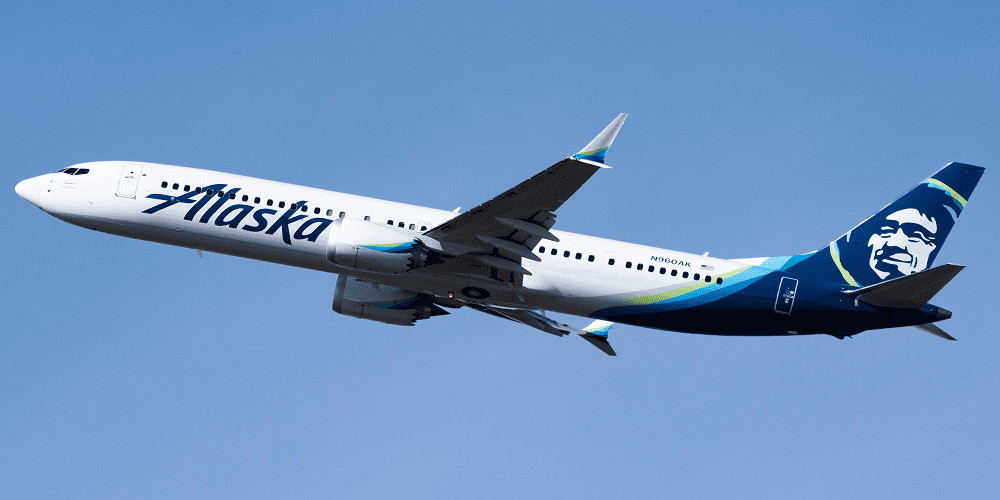
Alaska Airlines has long stood as one of the most respected and customer-focused airlines in the United States. Founded in 1932, the airline has grown from a small regional carrier serving the state of Alaska into a major player in North American aviation. Today, Alaska Airlines connects passengers to more than 120 destinations across the U.S., Canada, Mexico, and Central America, offering a blend of reliability, affordability, and genuine hospitality.
With a commitment to sustainability, innovation, and traveler comfort, Alaska Airlines has positioned itself as one of the most customer-friendly airlines in the industry. Whether you are planning a business trip to Seattle, a family vacation to Hawaii, or an adventure in Alaska’s wild landscapes, Alaska Airlines offers exceptional service at competitive prices.
This comprehensive guide explores everything you need to know about Alaska Airlines — from its history, routes, and fleet to its customer experience, loyalty program, and future growth plans.
History and Growth of Alaska Airlines
Alaska Airlines traces its roots to 1932 when Linious “Mac” McGee started McGee Airways in Anchorage, Alaska. The airline began with a single three-passenger aircraft that transported mail and passengers across remote Alaskan villages. By the 1940s, the airline had grown through mergers with other small carriers, eventually adopting the name “Alaska Airlines” in 1944.
In the post-war era, Alaska Airlines expanded rapidly. It became known for innovative routes connecting Alaska to the rest of the U.S., often flying through challenging weather conditions. The airline’s bold spirit and dedication to serving remote communities built a loyal customer base.
In the 1980s and 1990s, Alaska Airlines expanded beyond Alaska, launching routes across the West Coast, including hubs in Seattle, Portland, and Los Angeles. The airline earned a reputation for punctuality, excellent customer service, and a strong corporate culture.
In 2016, Alaska Airlines acquired Virgin America, merging Virgin’s stylish brand with Alaska’s reliability. The merger expanded Alaska’s presence in California and positioned it as the fifth-largest airline in the United States.
Alaska Airlines’ Network and Destinations
Alaska Airlines operates an extensive route network covering major cities and regional airports throughout North America.
Domestic Routes:
Alaska Airlines connects travelers to key U.S. destinations such as Seattle, Portland, Los Angeles, San Francisco, New York, Chicago, and Miami. The airline’s strong presence on the West Coast makes it a top choice for travelers in Washington, Oregon, and California.
International Routes:
Beyond domestic flights, Alaska Airlines serves international destinations in Mexico, Canada, Belize, and Costa Rica. Its flights to Mexico’s beach resorts — including Cancun, Los Cabos, and Puerto Vallarta — are particularly popular among leisure travelers.
Partnerships and Alliances:
In 2021, Alaska Airlines joined the oneworld alliance, a major step that expanded its global reach. This membership allows passengers to earn and redeem miles across partner airlines such as American Airlines, British Airways, Japan Airlines, and Qantas. Through this alliance, Alaska travelers can access more than 1,000 destinations worldwide.
Fleet and Technology
Alaska Airlines operates a modern and fuel-efficient fleet primarily consisting of Boeing and Embraer aircraft.
Boeing 737 Family:
The airline’s backbone is the Boeing 737, including the Next Generation (NG) and MAX models. These aircraft are known for their fuel efficiency, lower carbon emissions, and improved passenger comfort.
Embraer E175:
Used mainly for shorter routes, the Embraer E175 jets offer a comfortable 2x2 seating configuration, ensuring no middle seats. They are operated by regional partners under the “Horizon Air” and “SkyWest Airlines” brands.
Sustainability Efforts:
Alaska Airlines is committed to reducing its environmental footprint. The airline aims to achieve net-zero carbon emissions by 2040. Efforts include investing in sustainable aviation fuel (SAF), improving fuel efficiency, and reducing plastic waste on board.
In addition, Alaska Airlines collaborates with Boeing on innovative technologies that minimize fuel burn and enhance safety.
Onboard Experience
Alaska Airlines has earned numerous awards for its onboard experience, combining comfort with thoughtful service.
Cabin Classes:
- First Class: Passengers enjoy spacious leather seats with extra legroom, complimentary meals, premium beverages, and priority boarding.
- Premium Class: Offers extra legroom, priority boarding, and complimentary drinks, making it a popular upgrade for frequent flyers.
- Main Cabin: Designed for affordability and comfort, featuring adjustable headrests, power outlets, and complimentary snacks and beverages.
In-Flight Entertainment and Wi-Fi:
Alaska Airlines provides free in-flight entertainment on personal devices. Passengers can stream movies, TV shows, and music through the “Alaska Beyond Entertainment” platform. In-flight Wi-Fi is available on most aircraft, powered by satellite connectivity for fast and reliable service.
Dining Options:
Alaska Airlines is known for fresh, locally inspired menu options, including snacks and meals featuring Pacific Northwest flavors. Passengers in First Class receive hot meals, while those in the Main Cabin can purchase meals and beverages from an extensive menu.
Customer Service:
One of Alaska’s strongest reputations lies in its friendly and approachable staff. The airline consistently ranks high in customer satisfaction surveys conducted by J.D. Power and other aviation analysts.
Alaska Airlines Mileage Plan
Alaska Airlines’ Mileage Plan is one of the most rewarding frequent flyer programs in the industry. Unlike many airlines that base miles on ticket price, Alaska continues to award miles based on distance flown.
Key Features:
- Mileage Earning: Passengers earn miles for every mile flown, even on partner airlines in the oneworld alliance.
- Elite Status: Members can achieve MVP, MVP Gold, or MVP Gold 75K status based on miles flown. Higher tiers offer benefits such as complimentary upgrades, priority boarding, and bonus miles.
- Redeeming Miles: Miles can be redeemed for flights not only on Alaska Airlines but also on partner airlines, giving access to global destinations.
- Credit Card Partnerships: The Alaska Airlines Visa Signature card allows customers to earn miles on everyday purchases and receive an annual companion fare discount.
The Mileage Plan is widely regarded as one of the best value loyalty programs due to its generous redemption rates and global reach through partnerships.
Baggage Policy
Alaska Airlines maintains a clear and competitive baggage policy.
Carry-On Allowance:
Each passenger can bring one carry-on bag and one personal item (such as a laptop bag or purse).
Checked Baggage:
- Standard checked bag fee: $35 for the first bag, $45 for the second.
- Elite Mileage Plan members and Alaska credit card holders often receive one or more free checked bags.
Special Items:
Alaska Airlines accommodates sports equipment, musical instruments, and pets with specific guidelines to ensure safe transport.
Safety and Reliability
Safety has always been a cornerstone of Alaska Airlines’ operations. The airline consistently receives top safety ratings from independent aviation safety organizations.
Maintenance and Training:
Alaska’s maintenance facilities are known for strict safety standards, and pilots undergo regular, advanced simulator training.
On-Time Performance:
Alaska Airlines ranks among the top U.S. carriers for punctuality. Its efficient operations and well-trained ground crews help minimize delays, even in challenging weather.
Alaska Airlines Hubs and Focus Cities
Alaska Airlines operates several major hubs and focus cities that form the backbone of its network:
- Seattle-Tacoma International Airport (SEA): Primary hub and headquarters location.
- Portland International Airport (PDX): Key West Coast hub for domestic operations.
- Los Angeles International Airport (LAX): Important hub for connections to Mexico and the West Coast.
- San Francisco International Airport (SFO): Focus city serving California and major business markets.
- Anchorage (ANC): Gateway to Alaska, serving regional and long-haul routes.
These strategic hubs allow Alaska Airlines to connect millions of passengers each year across a vast and efficient route map.
Commitment to Sustainability
Alaska Airlines is at the forefront of sustainable aviation initiatives.
Key Initiatives:
- Sustainable Aviation Fuel (SAF): Alaska collaborates with producers to use SAF, which reduces lifecycle carbon emissions by up to 80%.
- Recycling and Waste Reduction: The airline eliminated plastic stir sticks, straws, and bottles, shifting to compostable and recyclable materials.
- Efficient Fleet Renewal: The transition to Boeing 737 MAX aircraft enhances fuel efficiency and lowers emissions.
- Carbon Offset Programs: Passengers can purchase carbon offsets to neutralize their travel impact.
Through these initiatives, Alaska Airlines aims to create a greener future for air travel.
Technology and Innovation
Alaska Airlines continuously integrates technology to enhance passenger experience.
Mobile App and Website:
The Alaska Airlines app allows passengers to book flights, check in, download boarding passes, and track flight status in real-time. The interface is user-friendly and reliable, minimizing airport stress.
Self-Service Kiosks:
Available at most airports, these kiosks streamline check-in and baggage drop-off.
Touchless Technology:
In response to changing travel needs, Alaska introduced touch-free check-in, digital baggage tags, and contactless payments for onboard purchases.
Artificial Intelligence (AI) & Data Analytics:
AI helps the airline optimize routes, improve fuel efficiency, and personalize customer communication.
Alaska Airlines’ Awards and Recognition
Over the years, Alaska Airlines has received numerous industry awards for excellence:
- J.D. Power Award for Customer Satisfaction (multiple years)
- Best Airline for North American Travel by Condé Nast Traveler
- Top Airline for Sustainability Efforts by Dow Jones Sustainability Index
- Airline of the Year recognition from Air Transport World
These awards reinforce Alaska Airlines’ reputation for quality, reliability, and customer care.
Alaska Airlines and the Alaska Spirit
What sets Alaska Airlines apart is its unique company culture known as the “Alaska Spirit.” It represents hospitality, respect, and care — values deeply rooted in its Alaskan heritage.
Employees often describe the airline as a family, where teamwork and service excellence define operations. Passengers consistently highlight friendly interactions and helpful staff as reasons they remain loyal to the brand.
Future Plans and Growth
Alaska Airlines continues to expand strategically. Future initiatives include:
- Fleet Expansion: Adding more fuel-efficient Boeing 737 MAX aircraft.
- Route Growth: Expanding routes in the Midwest, East Coast, and international markets.
- Sustainability Targets: Achieving carbon neutrality by 2040.
- Technology Investment: Enhancing digital tools for smoother passenger experiences.
With a strong financial position and growing demand for travel, Alaska Airlines is well-poised to maintain its upward trajectory.
Tips for Flying Alaska Airlines
- Join the Mileage Plan: Earn miles even on short flights and redeem them for long-haul international trips.
- Book Early: Fares are often lowest when booked 3–4 weeks in advance.
- Upgrade to Premium Class: Extra legroom and priority boarding make a noticeable difference on longer flights.
- Use the Mobile App: Streamline check-in and gate updates.
- Consider the Alaska Credit Card: The companion fare benefit can save significant money on two-person trips.
Frequently Asked Questions (FAQs)
Q1. What is Alaska Airlines known for?
Alaska Airlines is known for its exceptional customer service, on-time performance, and extensive West Coast network. It’s also recognized for its sustainability initiatives and rewarding Mileage Plan program.
Q2. Is Alaska Airlines part of an airline alliance?
Yes. Alaska Airlines joined the oneworld alliance in 2021, giving passengers access to more than 1,000 destinations worldwide through partner airlines.
Q3. Does Alaska Airlines fly internationally?
Yes. Alaska Airlines operates flights to Canada, Mexico, Belize, and Costa Rica, along with extensive domestic routes in the United States.
Q4. How can I earn miles with Alaska Airlines?
You can earn miles by flying with Alaska Airlines or its oneworld partners, booking through its hotel and car rental partners, or using the Alaska Airlines Visa Signature credit card.
Q5. What is Alaska Airlines’ baggage policy?
Passengers may bring one carry-on and one personal item for free. Checked bags cost $35 for the first and $45 for the second, though elite members and cardholders may qualify for free bags.
Q6. Does Alaska Airlines offer Wi-Fi on flights?
Yes. Most Alaska Airlines aircraft offer satellite Wi-Fi, allowing passengers to stay connected during their flight.
Q7. How does Alaska Airlines rank in safety?
Alaska Airlines has one of the best safety records in the U.S. aviation industry, consistently receiving top marks from independent safety reviewers.
Q8. What is the Alaska Airlines companion fare?
It’s an annual benefit offered to Alaska Airlines Visa Signature cardholders, allowing a companion to travel for a discounted fare when purchasing one paid ticket.
Q9. Can I upgrade my seat on Alaska Airlines?
Yes. Passengers can upgrade to Premium Class or First Class using miles, cash, or elite status benefits.
Q10. Is Alaska Airlines eco-friendly?
Yes. The airline is committed to sustainability through the use of sustainable aviation fuel, waste reduction, and plans to reach net-zero carbon emissions by 2040.
Conclusion
Alaska Airlines continues to stand as a model of modern aviation — combining the warmth of traditional hospitality with cutting-edge technology and environmental responsibility. From its roots in the rugged wilderness of Alaska to its expansive global reach through the oneworld alliance, the airline has earned trust and admiration from millions of travelers.
Whether you are flying for business, leisure, or adventure, Alaska Airlines offers a seamless experience backed by safety, comfort, and genuine care. With a strong focus on customer satisfaction, sustainability, and innovation, Alaska Airlines remains a preferred choice for travelers seeking dependable, friendly, and responsible air travel across the skies of North America and beyond.
Leave A Comment
0 Comment