
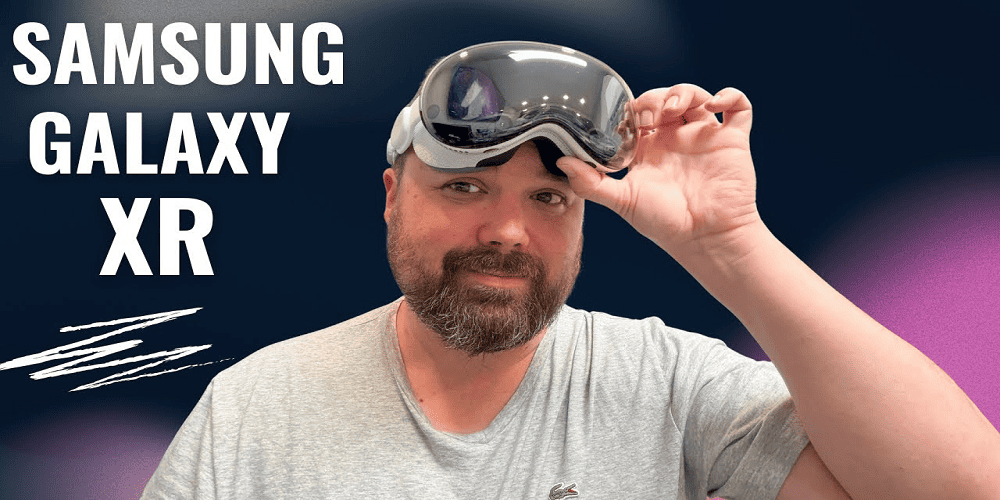
The world of mobile technology continues to evolve at an unprecedented pace, and Samsung’s Galaxy XR stands as a remarkable example of innovation. The “XR” in Galaxy XR refers to Extended Reality, a collective term for Virtual Reality (VR), Augmented Reality (AR), and Mixed Reality (MR). This cutting-edge technology is redefining how users interact with digital environments, merging the real and virtual worlds seamlessly.
The Galaxy XR concept represents Samsung’s bold vision for the future — a device that bridges smartphones, headsets, and wearable technology into one ecosystem. By integrating XR features into its Galaxy ecosystem, Samsung aims to create immersive experiences that go beyond traditional screens. Whether it’s gaming, education, design, or communication, the Galaxy XR opens new dimensions for consumers and businesses alike.
This comprehensive guide will explore everything about Galaxy XR, including its meaning, features, applications, potential impact on industries, and what makes it a key innovation in the next generation of technology.
What is Galaxy XR?
Galaxy XR refers to Samsung’s next step into Extended Reality (XR) — a blend of augmented, virtual, and mixed reality technologies. It’s not just a smartphone or a VR headset; it’s an entire ecosystem that merges physical and digital worlds through advanced display systems, sensors, and spatial computing.
Samsung’s Galaxy XR vision focuses on creating interactive, immersive experiences using wearable devices, spatial tracking, and AI-based perception. The idea is to make technology more natural and human-centric, allowing users to interact with digital information as if it were part of their real surroundings.
While still an emerging concept, Galaxy XR is expected to feature:
- High-resolution spatial displays
- Real-time 3D mapping and tracking
- AI-assisted augmented interfaces
- Immersive media capabilities
- Advanced connectivity with 5G and Wi-Fi 7
- Integration with Samsung’s Galaxy ecosystem (phones, watches, and tablets)
The Evolution of Extended Reality
To understand Galaxy XR, it’s important to trace the evolution of XR technology.
- Virtual Reality (VR) – Fully immersive environments experienced through headsets, allowing users to enter simulated worlds.
- Augmented Reality (AR) – Digital information overlaid on the real world using smartphone screens or AR glasses.
- Mixed Reality (MR) – A blend of VR and AR, enabling digital and real-world objects to interact in real-time.
Samsung has long been at the forefront of these innovations. From the Gear VR to partnerships with Google and Qualcomm, the company has experimented with different immersive platforms. The Galaxy XR represents the culmination of years of research, integrating these realities into one cohesive system powered by AI, advanced chips, and real-time graphics.
Key Features of Galaxy XR
The Galaxy XR device is rumored to redefine user interaction. Below are its expected and conceptual features based on emerging reports and Samsung’s technological roadmap:
1. Immersive Display Technology
The Galaxy XR may introduce micro-OLED or micro-LED displays capable of ultra-high pixel density and brightness. This ensures lifelike visuals and minimal motion blur, essential for extended reality applications.
2. Advanced Sensors and Tracking
Precision is the heart of XR. Galaxy XR would feature 6DoF (six degrees of freedom) tracking, eye-tracking, hand tracking, and spatial mapping. This makes interactions seamless and accurate.
3. Spatial Audio System
Immersive experiences require realistic sound. With 360-degree spatial audio, users can perceive direction, distance, and depth in audio, providing an authentic real-world soundscape.
4. AI Integration
Artificial Intelligence will be deeply embedded in Galaxy XR. It can recognize gestures, analyze environments, and provide context-aware responses, making interactions feel more intuitive and human-like.
5. Seamless Ecosystem Integration
The Galaxy XR will connect effortlessly with Samsung smartphones, smartwatches, and Galaxy Buds, creating a unified digital environment. For instance, a call received on a Galaxy phone could appear as a holographic notification in XR space.
6. Powerful Processing and Connectivity
Equipped with Snapdragon XR2+ Gen 2 or an equivalent chip, the Galaxy XR will deliver top-tier performance. Combined with 5G, Wi-Fi 7, and Bluetooth LE Audio, it ensures lag-free immersive experiences.
7. Lightweight Ergonomic Design
Comfort is essential for extended use. Samsung may employ carbon fiber or magnesium alloy to keep the Galaxy XR lightweight while maintaining durability.
Applications of Galaxy XR
The possibilities with Galaxy XR are vast, extending across multiple industries and personal use cases.
1. Gaming
The most immediate and exciting application is in immersive gaming. The Galaxy XR could provide full-scale VR gaming experiences without the need for bulky consoles. Games will be more interactive, realistic, and socially engaging, blurring the line between reality and virtual environments.
2. Education and Training
In education, Galaxy XR can revolutionize how students learn. From virtual laboratories to historical reconstructions, learners can explore complex topics through 3D simulations. In professional training, pilots, doctors, and engineers could practice in virtual environments safely and efficiently.
3. Design and Architecture
Architects and designers can visualize and manipulate 3D models in real-time, making it easier to collaborate and modify designs. Galaxy XR could support tools for spatial modeling, rendering, and holographic visualization.
4. Healthcare
Doctors could use Galaxy XR to simulate surgeries, visualize anatomy, or provide remote consultations. Patients could benefit from virtual therapy sessions or guided rehabilitation through immersive environments.
5. Communication and Collaboration
Galaxy XR could redefine virtual meetings. Instead of 2D video calls, users might sit around a holographic table with colleagues worldwide. Realistic avatars and spatial presence make digital collaboration feel natural and engaging.
6. Entertainment and Media
Watching movies, concerts, or sports events in XR will offer a completely new experience. Users could feel like they’re inside the stadium or standing next to their favorite performers.
7. Retail and E-commerce
Galaxy XR could change online shopping forever. Users might try on clothes virtually, view products in 3D, and even walk through virtual stores before making a purchase.
The Technology Behind Galaxy XR
1. Extended Reality Engine
Samsung’s XR platform will likely use a dedicated XR Engine, combining real-time rendering, AI vision, and sensor fusion. This engine will manage how the system perceives and displays 3D environments.
2. Cloud and Edge Computing
Galaxy XR will depend heavily on cloud-based rendering. By offloading heavy graphics processing to the cloud or edge servers, the device remains lightweight and energy efficient while maintaining powerful performance.
3. Eye and Hand Tracking
Through advanced IR sensors and cameras, the device will track users’ eye movements and gestures. This eliminates the need for controllers, making interactions completely natural.
4. AI-Powered Environment Recognition
The Galaxy XR device will use computer vision to understand surroundings. It can identify objects, measure distances, and overlay relevant information automatically.
5. Holographic Projection
Future iterations of Galaxy XR may include holographic projection systems, allowing content to appear in the real world without the need for glasses or screens.
How Galaxy XR Could Transform Daily Life
Personal Productivity
Imagine setting up multiple virtual screens in your workspace with no physical monitors. Galaxy XR could allow users to manage tasks, browse the web, and attend meetings using hand gestures in a 3D space.
Virtual Travel
Galaxy XR can simulate travel experiences, letting users explore famous landmarks and destinations from their living rooms.
Social Interaction
Samsung could integrate XR with social media, allowing users to create and share 3D moments with friends or attend virtual gatherings in lifelike environments.
Fitness and Wellness
Through XR-enabled fitness applications, workouts could become more engaging and dynamic. Users could jog through virtual landscapes or practice yoga with holographic trainers.
Competition in the XR Space
Samsung is entering a competitive market dominated by players like:
- Apple Vision Pro
- Meta Quest 3
- HTC Vive XR Elite
- Sony PlayStation VR2
However, Samsung’s advantage lies in its hardware expertise, display technology, and Galaxy ecosystem. Its partnership with Google and Qualcomm gives it a unique edge to create a balanced XR platform combining Android flexibility and Samsung’s innovation.
Challenges and Limitations
Despite its potential, Galaxy XR faces several challenges:
- Hardware Cost – High-quality displays and sensors make XR devices expensive.
- Battery Life – Continuous processing of 3D environments consumes significant power.
- Content Availability – The success of XR depends on the availability of compelling applications.
- User Comfort – Extended use can cause fatigue or motion sickness if not optimized properly.
- Privacy Concerns – XR devices capture vast environmental and biometric data, which must be secured responsibly.
Samsung will need to address these issues to ensure widespread adoption.
The Future of Galaxy XR
The future of Galaxy XR is incredibly promising. Samsung has hinted at integrating XR with AI-powered assistants, quantum dot displays, and wearable computing. As technology evolves, XR devices may replace traditional smartphones and laptops, becoming the central hub for digital interaction.
Key future directions include:
- Holographic communication
- Neural interface integration
- XR-based operating systems
- Sustainable and lightweight materials
- Cross-device collaboration
The day may come when users don’t look at screens but live inside digital experiences — and Galaxy XR could be the foundation of that transformation.
Conclusion
The Galaxy XR marks a defining moment in the evolution of human-computer interaction. It’s not just another device; it’s a glimpse into the next digital revolution, where physical and virtual realities merge seamlessly. With innovations in display technology, spatial computing, AI, and connectivity, Samsung’s XR vision is ready to reshape industries, redefine entertainment, and transform daily life.
Whether it’s for gaming, learning, design, or communication, the Galaxy XR represents the dawn of a new era — one where imagination meets technology, and reality itself becomes extendable.
Frequently Asked Questions (FAQs)
1. What does Galaxy XR stand for?
Galaxy XR stands for “Galaxy Extended Reality,” a technology combining virtual, augmented, and mixed reality to create immersive experiences.
2. Is the Galaxy XR a smartphone or a headset?
The Galaxy XR is expected to be a standalone mixed-reality headset designed to work with Samsung’s Galaxy ecosystem, including smartphones and wearables.
3. What makes Galaxy XR different from other XR devices?
It will integrate deeply with Samsung’s ecosystem, offering seamless connectivity, high-end displays, and AI-driven interfaces at potentially more affordable prices than competitors.
4. When will Galaxy XR be released?
While Samsung has not confirmed an exact date, industry experts expect the Galaxy XR to launch between late 2025 and early 2026.
5. How will Galaxy XR change daily life?
It will enable immersive gaming, 3D workspaces, virtual collaboration, enhanced learning, and interactive digital experiences that go beyond traditional screens.
6. What are the main uses of Galaxy XR?
Primary applications include gaming, education, design visualization, healthcare training, and immersive entertainment.
7. Will Galaxy XR support 5G?
Yes, the device is expected to include 5G and Wi-Fi 7 support for high-speed, low-latency experiences.
8. Can Galaxy XR be used without a smartphone?
Yes, it will likely operate as a standalone device while still offering optional integration with Galaxy smartphones and tablets.
9. How much will Galaxy XR cost?
The expected price range could be between USD 1,000 and USD 1,500, depending on storage and configuration, though Samsung may target affordability compared to Apple Vision Pro.
10. Is Galaxy XR suitable for professional work?
Yes, Galaxy XR is designed for both personal and professional applications, including virtual meetings, product design, and remote collaboration.
Leave A Comment
0 Comment