
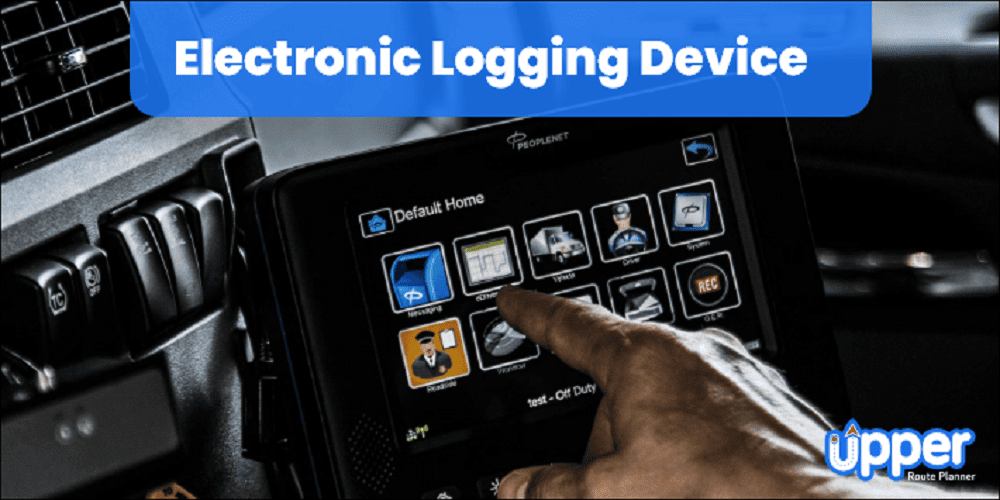
The transportation industry has changed rapidly in recent years, and technology now plays a major role in improving road safety, compliance, and fleet efficiency. One of the most important technologies adopted by commercial trucking companies is the electronic logging device. Whether you operate a small trucking business or manage a large commercial fleet, understanding how an electronic logging device works is essential for staying compliant and competitive.
An electronic logging device helps drivers and fleet owners automatically track driving hours, duty status, engine activity, and vehicle movement. This technology has replaced traditional paper logbooks and has transformed the way carriers manage operations. Today, businesses rely on electronic logging device systems not only for legal compliance but also for improving productivity, reducing paperwork, and increasing transparency.
In this guide, you will learn everything about electronic logging device systems, including their features, benefits, regulations, costs, and how they help trucking companies operate more efficiently.
What Is an Electronic Logging Device?
An electronic logging device is a digital system connected to a commercial vehicle’s engine to record driving data automatically. It tracks Hours of Service (HOS) and ensures that drivers follow government regulations regarding driving limits and rest periods.
The main purpose of an electronic logging device is to improve road safety by preventing driver fatigue. Instead of manually recording driving hours in paper logs, the device automatically captures driving time and stores the data electronically.
Most electronic logging device systems work through a combination of hardware installed inside the vehicle and software accessible through smartphones, tablets, or computers.
Why Electronic Logging Device Systems Matter
The trucking industry depends heavily on timely deliveries and safe driving practices. Before the introduction of electronic logging device technology, drivers often maintained handwritten logs, which could contain errors or inaccurate information.
An electronic logging device removes many of these problems by automating the entire logging process. This helps reduce compliance violations and ensures accurate reporting.
Businesses benefit because they can monitor driver activity in real time, while drivers benefit from simplified recordkeeping. Government agencies also support electronic logging device adoption because it helps enforce transportation safety laws more effectively.
How an Electronic Logging Device Works
An electronic logging device connects directly to a vehicle’s engine control module. Once connected, it records important information such as:
- Engine hours
- Vehicle movement
- Driving time
- Idle time
- Duty status changes
- Mileage
- GPS location
When the vehicle moves, the electronic logging device automatically changes the driver’s status to “driving.” Once the truck stops, the driver can update their status to off-duty, sleeper berth, or on-duty not driving.
The data is securely stored and can be shared during inspections or audits.
Key Features of an Electronic Logging Device
Modern electronic logging device systems offer many advanced features beyond basic logging.
Automatic Hours of Service Tracking
One of the most important functions of an electronic logging device is automated HOS tracking. Drivers no longer need to manually calculate driving hours.
GPS Tracking
Fleet managers can monitor vehicle locations in real time. GPS integration helps improve route planning and delivery management.
Driver Vehicle Inspection Reports
Many electronic logging device platforms include inspection reporting tools that help drivers identify maintenance issues quickly.
Real-Time Alerts
Drivers receive notifications about approaching driving limits, helping them avoid violations.
Data Transfer Capability
An electronic logging device can send reports electronically to transportation authorities during inspections.
Fuel Monitoring
Some systems monitor fuel consumption and help businesses reduce fuel costs.
Fleet Analytics
Managers can use performance reports to analyze driver behavior, idle time, and route efficiency.
Benefits of Using an Electronic Logging Device
There are several reasons why trucking companies invest in electronic logging device technology.
Improved Compliance
Compliance is one of the biggest advantages of an electronic logging device. Automated logging reduces the chances of human error and helps drivers follow legal driving limits.
Better Road Safety
Fatigued driving is a major cause of accidents in the trucking industry. An electronic logging device encourages proper rest breaks and safer driving habits.
Reduced Paperwork
Drivers no longer need to maintain paper logbooks. This saves time and reduces administrative work.
Increased Productivity
Fleet managers can track operations more effectively, improving dispatching and scheduling.
Lower Operational Costs
Many businesses use electronic logging device data to reduce fuel usage, unnecessary idling, and overtime expenses.
Easier Audits
Electronic records are easier to organize and retrieve during inspections or compliance reviews.
Electronic Logging Device Regulations
In many countries, transportation authorities require commercial drivers to use electronic logging device systems.
In the United States, the Federal Motor Carrier Safety Administration introduced the ELD mandate to improve compliance with Hours of Service regulations.
The mandate generally applies to commercial motor vehicles involved in interstate commerce. Drivers who are required to maintain Records of Duty Status must usually use an electronic logging device unless they qualify for exemptions.
Who Needs an Electronic Logging Device?
Not every driver is required to use an electronic logging device, but many commercial vehicle operators must comply.
Typically, the requirement applies to:
- Trucking companies
- Freight carriers
- Commercial bus operators
- Long-haul drivers
- Interstate commercial vehicle operators
Some exemptions may apply to:
- Short-haul drivers
- Vehicles manufactured before specific model years
- Driveaway-towaway operations
Understanding the rules is important before selecting an electronic logging device solution.
Choosing the Right Electronic Logging Device
Not all systems offer the same features, so businesses should evaluate their needs carefully before purchasing an electronic logging device.
Ease of Use
Drivers should be able to operate the system without confusion. A complicated interface can reduce productivity.
Compliance Certification
Choose an electronic logging device that meets official regulatory standards.
Customer Support
Reliable technical support is essential for resolving issues quickly.
Mobile Compatibility
Many companies prefer systems that work with smartphones and tablets.
Reporting Features
Advanced analytics and reporting tools can improve business decisions.
Installation Process
Some electronic logging device systems are plug-and-play, while others require professional installation.
Pricing
Costs vary depending on features, subscription plans, and hardware quality.
Challenges of Electronic Logging Device Adoption
Although electronic logging device technology offers many advantages, some businesses face challenges during implementation.
Initial Costs
Small trucking companies may find the upfront costs difficult initially.
Driver Resistance
Some drivers dislike constant tracking and monitoring.
Technical Problems
Poor internet connectivity or software issues can sometimes interrupt operations.
Training Requirements
Drivers and staff may need training to use the electronic logging device effectively.
Despite these challenges, most companies eventually experience long-term operational improvements.
Electronic Logging Device and Fleet Management
Fleet management has become more efficient because of electronic logging device systems. Managers now have access to real-time information that helps optimize operations.
Route Optimization
GPS tracking allows dispatchers to select faster and more fuel-efficient routes.
Driver Performance Monitoring
Fleet managers can analyze speeding, harsh braking, and excessive idling.
Maintenance Scheduling
Vehicle diagnostics help identify maintenance needs before breakdowns occur.
Delivery Accuracy
Businesses can provide customers with more accurate delivery estimates.
An electronic logging device plays a major role in modern transportation management strategies.
Electronic Logging Device and Driver Experience
Drivers often discover that electronic logging device systems simplify their daily work after becoming familiar with the technology.
Benefits for drivers include:
- Less paperwork
- Faster inspections
- Automatic logging
- Improved schedule management
- Reduced calculation errors
However, successful adoption depends on proper training and reliable system support.
Cost of an Electronic Logging Device
The price of an electronic logging device depends on the provider, features, and subscription model.
Typical costs may include:
- Hardware purchase
- Monthly subscription fees
- Installation charges
- Training expenses
Some providers offer basic systems at affordable rates, while premium platforms include advanced telematics and analytics.
Businesses should compare features carefully rather than choosing solely based on price.
Cloud Technology and Electronic Logging Device Systems
Many modern electronic logging device platforms use cloud technology to store and access data remotely.
Cloud-based systems provide several advantages:
- Secure data storage
- Remote accessibility
- Automatic software updates
- Easy scalability
- Faster reporting
Fleet managers can monitor operations from virtually anywhere using cloud dashboards.
Electronic Logging Device and Data Security
Data security is an important concern for transportation companies. Since an electronic logging device collects sensitive operational data, businesses must choose providers with strong security standards.
Important security features include:
- Encrypted data transmission
- Password protection
- Secure cloud storage
- User access controls
- Automatic backups
Protecting driver and company information should always remain a priority.
Common Myths About Electronic Logging Device Technology
There are several misconceptions surrounding electronic logging device systems.
Myth 1: Electronic Logging Device Systems Only Benefit Regulators
In reality, companies benefit through improved efficiency, lower costs, and better fleet visibility.
Myth 2: Electronic Logging Device Installation Is Difficult
Many modern devices offer simple plug-and-play installation processes.
Myth 3: Drivers Lose Flexibility
While the system enforces compliance, it also helps drivers avoid accidental violations.
Myth 4: Electronic Logging Device Systems Are Too Expensive
Long-term savings from fuel efficiency, reduced paperwork, and improved compliance often outweigh the costs.
Future of Electronic Logging Device Technology
The future of electronic logging device technology looks promising as transportation companies continue adopting digital solutions.
Emerging trends include:
- Artificial intelligence integration
- Predictive maintenance
- Advanced telematics
- Automated reporting
- Enhanced safety analytics
- Integration with autonomous vehicle systems
As technology evolves, electronic logging device platforms will likely become even more intelligent and efficient.
Tips for Successful Electronic Logging Device Implementation
Businesses can improve implementation success by following best practices.
Train Drivers Properly
Comprehensive training reduces confusion and resistance.
Choose a Reliable Provider
Research providers carefully before making a decision.
Monitor System Performance
Regular monitoring helps identify issues quickly.
Communicate Benefits Clearly
Drivers are more likely to support adoption when they understand the advantages.
Keep Software Updated
Regular updates improve performance and security.
Industries That Use Electronic Logging Device Systems
Although trucking is the primary industry using electronic logging device technology, other sectors also benefit.
These industries include:
- Construction
- Oil and gas
- Public transportation
- Delivery services
- Logistics
- Agriculture
Any business operating commercial vehicles can potentially improve efficiency through electronic logging device adoption.
Electronic Logging Device vs Paper Logs
Paper logs were once the standard for tracking driving hours, but electronic logging device systems offer major improvements.
Accuracy
Electronic systems reduce human error significantly.
Time Savings
Automated logging saves administrative time.
Compliance
Electronic records are easier to verify during inspections.
Data Access
Fleet managers can access information instantly.
Environmental Benefits
Digital records reduce paper usage.
These advantages explain why many transportation companies now prefer electronic logging device solutions.
How Small Businesses Benefit From Electronic Logging Device Systems
Small trucking companies often assume that electronic logging device technology is only useful for large fleets. However, small operators can gain significant advantages.
Benefits include:
- Simplified compliance
- Reduced paperwork
- Better fuel management
- Improved scheduling
- Enhanced customer service
Even owner-operators can improve productivity with the right electronic logging device platform.
Conclusion
The electronic logging device has become an essential tool for the modern transportation industry. From improving compliance and reducing paperwork to enhancing road safety and fleet efficiency, this technology offers major advantages for businesses and drivers alike.
As regulations continue evolving and transportation becomes increasingly digital, adopting a reliable electronic logging device system is no longer just an option for many carriers. It is a practical investment that supports operational growth, safer driving practices, and better business performance.
Whether you manage a single truck or an entire fleet, understanding how an electronic logging device works can help you make smarter decisions and prepare for the future of commercial transportation.
FAQs
What is an electronic logging device?
An electronic logging device is a digital system that automatically records driving hours and vehicle data for commercial drivers.
Why is an electronic logging device important?
It helps improve compliance, reduce paperwork, increase safety, and simplify Hours of Service tracking.
Is an electronic logging device mandatory?
In many countries, commercial drivers operating under Hours of Service regulations are required to use an electronic logging device.
How does an electronic logging device work?
The device connects to the vehicle engine and automatically records driving activity, mileage, engine hours, and duty status.
Can small trucking businesses use an electronic logging device?
Yes, small businesses and owner-operators can benefit from improved efficiency and compliance management.
Does an electronic logging device track location?
Most systems include GPS tracking to monitor vehicle location and route activity.
Are electronic logging device systems expensive?
Costs vary depending on features and providers, but many businesses recover the investment through operational savings.
Can drivers edit electronic logging device records?
Drivers can make limited edits for accuracy, but the system maintains a record of all changes for compliance purposes.
What happens if an electronic logging device fails?
Drivers usually follow backup procedures, including paper logs, until the issue is resolved.
What features should I look for in an electronic logging device?
Important features include compliance support, GPS tracking, reporting tools, mobile access, and reliable customer support.
Leave A Comment
0 Comment