
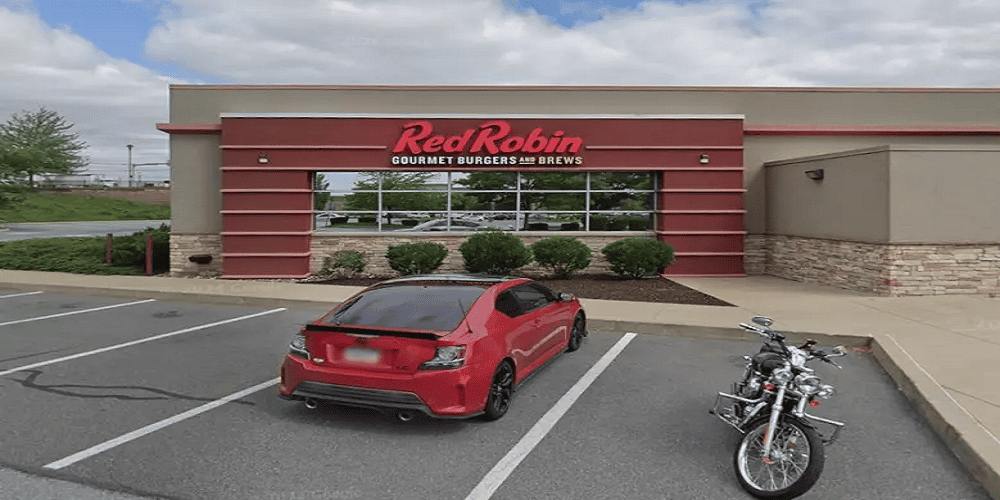
The topic of Red Robin closings has become a major discussion among restaurant fans and industry experts. For decades, Red Robin has been known for its gourmet burgers, bottomless fries, and family-friendly dining experience. However, recent announcements about restaurant closures have left many customers wondering what is happening to the beloved chain.
While the company is not disappearing completely, several locations have closed or are scheduled to close as part of a larger restructuring strategy. These changes reflect the challenges facing many casual dining chains in the United States.
In this article, we will explore the reasons behind Red Robin closings, the impact on customers and employees, and what the future may hold for the restaurant brand.
What Is Red Robin?
Red Robin Gourmet Burgers is an American casual dining restaurant chain founded in 1969. The company became famous for serving gourmet burgers, unlimited steak fries, and a wide variety of family meals.
Over the years, the chain expanded rapidly across the United States and Canada. At its peak, Red Robin operated hundreds of restaurants and became one of the most recognizable names in the casual dining industry.
Despite its popularity, the company has recently faced financial and operational challenges, leading to discussions about Red Robin closings in many cities.
Why Are Red Robin Closings Happening?
Several factors have contributed to the recent closures.
Rising Operating Costs
Restaurants across America have experienced increasing expenses in recent years. Costs related to:
- Food ingredients
- Employee wages
- Rent
- Utilities
- Supply chain disruptions
have significantly affected profit margins.
Many underperforming locations could no longer generate enough revenue to offset these rising costs, making closures a necessary business decision.
Changes in Consumer Preferences
Customer habits have changed dramatically over the past few years. Many diners now prefer:
- Fast-casual restaurants
- Food delivery services
- Drive-thru convenience
- Healthier menu options
Traditional sit-down restaurants have struggled to compete with these changing preferences. The trend has contributed to numerous Red Robin closings across different states.
Competition in the Restaurant Industry
The burger market has become increasingly crowded. Red Robin now competes with:
- Five Guys
- Shake Shack
- BurgerFi
- Habit Burger Grill
- Local gourmet burger restaurants
This intense competition has made it difficult for some Red Robin locations to maintain strong sales performance.
Effects of the Pandemic
The COVID-19 pandemic significantly impacted the restaurant industry. During lockdown periods, many dining rooms closed temporarily, resulting in major revenue losses.
Although the industry has recovered to some extent, many chains continue to deal with:
- Reduced foot traffic
- Labor shortages
- Higher food prices
- Increased delivery expenses
These factors have accelerated Red Robin closings in certain markets.
Which Red Robin Locations Have Closed?
Red Robin has closed multiple restaurants over recent years, particularly locations that consistently underperformed financially.
The company evaluates each restaurant individually and considers factors such as:
- Sales performance
- Lease agreements
- Market competition
- Operating costs
- Customer demand
Some closures have occurred in shopping malls and older commercial areas where customer traffic has declined.
Since restaurant strategies change frequently, additional closures or relocations may occur in the future.
Is Red Robin Going Out of Business?
One of the biggest misconceptions surrounding Red Robin closings is that the entire company is shutting down.
The answer is no.
Red Robin continues to operate hundreds of restaurants throughout North America. The company is implementing strategic changes to improve profitability and strengthen its financial position.
Restaurant chains often close underperforming locations while investing in stronger markets. This strategy is common across the industry and does not necessarily indicate bankruptcy or permanent decline.
The Financial Challenges Facing Red Robin
The company has experienced several financial pressures in recent years.
Declining Restaurant Traffic
Customer visits to casual dining restaurants have decreased nationwide. Many consumers are eating at home more frequently or choosing quick-service options.
Lower traffic directly impacts restaurant revenue and profitability.
Inflation
Inflation has increased the cost of:
- Beef
- Cooking oil
- Packaging
- Employee benefits
- Transportation
These rising expenses have put pressure on restaurant margins and contributed to Red Robin closings.
Debt and Restructuring
Like many restaurant companies, Red Robin has worked to improve its balance sheet and reduce financial strain.
Closing low-performing locations can help:
- Lower operating expenses
- Increase overall profitability
- Improve cash flow
- Focus resources on successful restaurants
How Are Customers Reacting to Red Robin Closings?
The reaction from customers has been mixed.
Many loyal diners feel disappointed because Red Robin has been a favorite family destination for years. Some customers have celebrated birthdays, graduations, and special events at the restaurant.
Social media platforms have been filled with comments expressing sadness about local restaurant closures.
Others understand that businesses must adapt to changing economic conditions.
The emotional response demonstrates the strong connection many communities have with the brand.
Impact on Employees
One of the most difficult aspects of Red Robin closings is the effect on workers.
Restaurant closures can result in:
- Job losses
- Reduced hours
- Employee transfers
- Financial uncertainty
In some cases, Red Robin has attempted to relocate workers to nearby locations when possible. However, not every employee has access to another restaurant in their area.
The restaurant industry remains one of the nation's largest employers, making closures significant for local economies.
The Future of Red Robin
Despite the recent closures, Red Robin is actively working to strengthen its business.
Menu Improvements
The company has introduced menu updates designed to attract more customers.
New offerings and promotions aim to:
- Increase traffic
- Improve customer satisfaction
- Encourage repeat visits
Technology Investments
Many restaurant chains are embracing technology, and Red Robin is no exception.
Investments include:
- Online ordering
- Delivery partnerships
- Mobile applications
- Digital loyalty programs
These initiatives help the company compete in today's digital marketplace.
Restaurant Remodels
Some locations have undergone renovations to create a more modern dining experience.
Updated interiors can improve customer perception and attract new guests.
Are More Red Robin Closings Expected?
The possibility of additional closures cannot be ruled out.
Restaurant companies constantly evaluate performance and make adjustments based on:
- Market conditions
- Financial results
- Consumer behavior
- Lease agreements
While some restaurants may close, others may continue to thrive and even open in new markets.
The future of Red Robin closings depends largely on economic conditions and the company's ability to adapt to changing consumer preferences.
What Makes Red Robin Different From Competitors?
Despite recent challenges, Red Robin still offers several features that distinguish it from competitors.
Gourmet Burgers
The chain is known for creative burger combinations featuring unique toppings and flavors.
Bottomless Fries
Unlimited fries remain one of the brand's biggest attractions and a favorite among customers.
Family-Friendly Environment
Many families appreciate the casual atmosphere and kid-friendly menu options.
Loyalty Program
Red Robin's rewards program encourages repeat visits and provides special promotions for customers.
These strengths may help the company navigate the challenges associated with Red Robin closings.
Industry Trends Affecting Casual Dining Chains
Red Robin is not the only restaurant chain facing difficulties.
Several major restaurant brands have:
- Closed locations
- Filed for bankruptcy
- Restructured operations
- Reduced expansion plans
The entire casual dining sector is undergoing significant changes.
Consumers now prioritize:
- Convenience
- Speed
- Value
- Digital ordering
Restaurant companies must evolve to remain competitive.
What Should Customers Do If Their Local Red Robin Closed?
If your local restaurant has closed, you still have several options.
Find Another Nearby Location
Many cities still have operating Red Robin restaurants within driving distance.
Order Delivery
Some locations offer delivery through various food delivery services.
Join the Loyalty Program
Staying connected through the rewards program allows customers to receive updates and promotions.
Follow Company Announcements
The company regularly shares information regarding new openings, promotions, and operational changes.
Could Red Robin Recover?
Many restaurant brands have experienced difficult periods and later returned to growth.
Recovery is possible if the company successfully:
- Controls costs
- Improves operations
- Attracts new customers
- Expands digital services
- Enhances menu offerings
The restaurant industry is highly competitive, but strong brands can adapt and survive.
Although Red Robin closings have raised concerns among customers, the company still has opportunities to strengthen its position.
Lessons From Red Robin Closings
The recent closures provide several lessons about the restaurant industry.
Adaptation Is Essential
Businesses must continuously evolve to meet changing customer expectations.
Financial Discipline Matters
Maintaining profitability is critical for long-term success.
Consumer Preferences Change Quickly
Restaurants that fail to adapt may struggle to remain competitive.
Strong Brands Can Reinvent Themselves
Even established companies can recover by making strategic adjustments.
Conclusion
The conversation surrounding Red Robin closings reflects broader changes occurring throughout the restaurant industry. Rising costs, changing consumer habits, increased competition, and economic challenges have forced the company to close some underperforming locations.
However, Red Robin is not going out of business. The company continues to operate numerous restaurants and is investing in new strategies to improve performance and remain competitive.
While the closures are disappointing for loyal customers and employees, they also represent an effort to build a stronger and more sustainable future for the brand. The coming years will determine whether Red Robin can successfully adapt to the evolving restaurant landscape and regain momentum.
FAQs
Why are Red Robin restaurants closing?
Red Robin locations are closing primarily because of rising operating costs, declining customer traffic, and changing consumer preferences.
Is Red Robin going out of business?
No. Despite recent Red Robin closings, the company continues to operate hundreds of restaurants across North America.
How many Red Robin locations have closed?
The number changes over time as the company reviews its portfolio and adjusts its operations.
Will more Red Robin restaurants close?
Additional closures are possible if certain locations continue to underperform financially.
Can customers still order from Red Robin?
Yes. Many Red Robin restaurants remain open and continue to offer dine-in, takeout, and delivery services.
What is Red Robin doing to improve business?
The company is investing in menu improvements, technology upgrades, loyalty programs, and restaurant renovations.
Are employees affected by Red Robin closings?
Yes. Restaurant closures can lead to job losses, transfers, or reduced working hours for employees.
Why has the casual dining industry struggled?
The industry faces challenges including inflation, labor shortages, increased competition, and changing customer dining habits.
Leave A Comment
0 Comment