
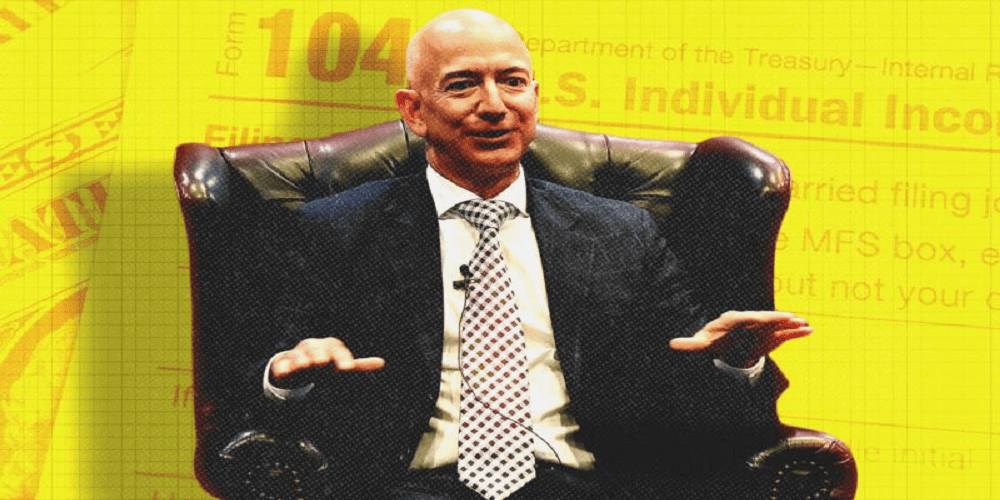
The discussion around the Jeff Bezos tax proposal has become one of the most talked-about economic and political topics in recent years. As one of the richest individuals in the world, Jeff Bezos often becomes the center of debates about wealth inequality, corporate taxation, and how governments should tax billionaires. Many politicians, economists, and activists argue that ultra-wealthy individuals should contribute more in taxes, while others believe higher taxes on billionaires could negatively impact investment and innovation.
The Jeff Bezos tax proposal is not just about one person. It represents a larger conversation about how modern tax systems work and whether they are fair in an economy where billionaires can accumulate enormous wealth through stocks and investments rather than traditional salaries. This issue has gained attention globally because many citizens feel that wealthy individuals and large corporations use loopholes to reduce their tax burdens.
In this article, we will explore the meaning of the Jeff Bezos tax proposal, why it became controversial, how billionaire taxation works, and what the proposal could mean for the economy, businesses, and ordinary taxpayers.
Who Is Jeff Bezos?
Jeff Bezos is the founder of Amazon, one of the largest e-commerce and cloud computing companies in the world. Over the years, Amazon transformed online shopping, logistics, streaming services, and cloud infrastructure.
Because Bezos owns a large amount of Amazon stock, his wealth increased significantly as Amazon’s market value rose. Unlike salaried employees, much of Bezos’ wealth comes from investments and stock ownership rather than direct cash income. This became a major reason why discussions about the Jeff Bezos tax proposal started gaining momentum.
Many critics pointed out that although Bezos’ net worth increased by billions of dollars, his reported taxable income was often much lower compared to the value of his assets. This created debates about whether tax laws are outdated for modern billionaires.
What Is the Jeff Bezos Tax Proposal?
The Jeff Bezos tax proposal generally refers to political and economic plans aimed at increasing taxes on billionaires and extremely wealthy individuals. Although there is no single official proposal created by Bezos himself, the phrase is commonly used to describe wealth tax discussions inspired by cases involving Bezos and other billionaires.
These proposals usually include:
- Higher taxes on billionaires
- Wealth taxes on assets
- Taxes on unrealized capital gains
- Corporate tax reforms
- Minimum tax requirements for wealthy households
The idea behind the Jeff Bezos tax proposal is that billionaires should pay taxes not only on salaries but also on the growth of their wealth. Since many wealthy individuals hold assets like stocks that increase in value over time, critics argue that current tax systems allow them to avoid paying fair amounts in taxes.
Supporters believe these reforms could help governments fund healthcare, education, infrastructure, and social programs.
Why Did the Jeff Bezos Tax Debate Start?
The Jeff Bezos tax proposal debate became popular after reports suggested that some billionaires paid very little federal income tax in certain years. Investigative reports and political speeches highlighted how wealthy individuals could legally minimize taxes using deductions, investments, and borrowing strategies.
Several reasons fueled public anger:
Rising Wealth Inequality
During economic hardships faced by ordinary citizens, billionaire wealth continued to grow rapidly. Many people questioned whether the tax system benefits wealthy investors more than workers.
Corporate Power
Amazon became one of the most powerful companies globally. Critics argued that massive corporations should contribute more to public systems because they benefit from roads, workers, internet infrastructure, and government services.
Tax Loopholes
Many economists claimed existing tax laws contain loopholes that allow billionaires to pay lower effective tax rates than middle-class workers.
Political Pressure
Politicians used Bezos and other billionaires as examples during campaigns about economic fairness and social justice.
Because of these issues, the Jeff Bezos tax proposal became symbolic of a wider movement for tax reform.
Understanding How Billionaires Avoid High Taxes
To understand the Jeff Bezos tax proposal, it is important to understand how billionaires structure their finances.
Most billionaires do not earn traditional salaries. Instead, they hold company shares that rise in value over time. In many countries, taxes are only paid when stocks are sold and profits are realized.
For example:
- If Amazon stock rises by billions of dollars, Bezos becomes wealthier on paper.
- However, he may not owe taxes unless he sells those shares.
- Billionaires can also borrow money against their stock holdings instead of selling shares.
This system allows wealthy individuals to access cash while avoiding large taxable events.
Critics argue this creates an unfair advantage because ordinary employees pay taxes directly from paychecks every month.
Supporters of the current system say taxing unrealized gains could create economic instability and discourage investment.
Proposed Wealth Taxes
One major part of the Jeff Bezos tax proposal discussion involves wealth taxes.
A wealth tax is different from income tax. Instead of taxing earnings, governments tax total assets owned by individuals above a certain threshold.
These assets may include:
- Stocks
- Real estate
- Yachts
- Businesses
- Investments
- Luxury assets
Supporters believe wealth taxes could reduce inequality and generate revenue from ultra-rich households.
Critics argue wealth taxes are difficult to enforce because asset values constantly change. They also claim wealthy individuals may move assets overseas or relocate to countries with lower taxes.
Countries like France previously experimented with wealth taxes, but debates continue about their effectiveness.
Unrealized Capital Gains Tax
Another important topic related to the Jeff Bezos tax proposal is unrealized capital gains taxation.
Normally, investors pay capital gains tax only after selling assets. However, some policymakers suggested billionaires should pay taxes on annual increases in asset values even if they do not sell them.
Supporters argue this would stop billionaires from indefinitely avoiding taxes while their fortunes grow.
Critics raise several concerns:
- Stock prices fluctuate frequently
- Asset valuations can be complicated
- Investors may face cash flow problems
- Markets could become unstable
Despite criticism, unrealized gains taxes remain a major topic in modern economic policy discussions.
Corporate Tax Reform and Amazon
Another major aspect of the Jeff Bezos tax proposal focuses on corporate taxation. Critics claimed Amazon paid relatively low federal taxes in certain years despite massive profits.
This sparked demands for:
- Higher corporate tax rates
- Global minimum taxes
- Restrictions on deductions
- Stronger international tax enforcement
Supporters of Amazon argued the company followed legal tax rules and reinvested heavily into growth, infrastructure, and jobs.
Many economists note that corporate tax systems are highly complex. Companies often use research credits, investments, and depreciation rules to reduce taxable income legally.
Still, the debate around Amazon’s taxes became central to discussions about economic fairness.
Arguments Supporting the Jeff Bezos Tax Proposal
Supporters of billionaire tax reforms present several arguments.
Reducing Wealth Inequality
Many believe extreme wealth concentration harms society by increasing economic gaps between rich and poor citizens.
Funding Public Services
Higher taxes on billionaires could help governments invest in:
- Healthcare
- Education
- Transportation
- Climate programs
- Housing initiatives
Fairness in Taxation
Supporters argue workers should not face higher effective tax rates than billionaires.
Strengthening Democracy
Some critics fear massive wealth concentration gives billionaires excessive political and social influence.
The Jeff Bezos tax proposal became popular among groups advocating for economic equality and progressive taxation.
Arguments Against the Jeff Bezos Tax Proposal
Opponents also raise strong arguments against billionaire taxation reforms.
Risk to Innovation
Critics say entrepreneurs and investors drive innovation, job creation, and economic growth. Higher taxes could discourage business expansion.
Capital Flight
Wealthy individuals might move assets or businesses to countries with lower taxes.
Administrative Complexity
Valuing billionaire assets annually could become extremely difficult and expensive.
Market Volatility
Taxing unrealized gains may force investors to sell shares, creating market instability.
Double Taxation Concerns
Some argue wealth is already taxed through corporate taxes, income taxes, and capital gains taxes.
Because of these concerns, many governments remain cautious about implementing aggressive wealth taxes.
Political Reactions
The Jeff Bezos tax proposal became highly political. Progressive politicians often used billionaire tax reform as a campaign issue, while conservative leaders warned about economic consequences.
Some lawmakers proposed billionaire minimum taxes designed to ensure wealthy individuals pay at least a certain percentage annually.
Others preferred broader reforms targeting corporate loopholes rather than individual wealth taxes.
Public opinion remains divided. Many citizens support higher taxes on billionaires, while others worry about government overreach and economic impacts.
Media Influence on the Debate
The media played a major role in expanding discussions about the Jeff Bezos tax proposal. News reports highlighting billionaire wealth growth during economic crises attracted public attention.
Social media also amplified debates about inequality and taxation. Supporters of reform used viral posts and statistics to argue that billionaires should contribute more.
Meanwhile, critics accused media outlets of oversimplifying complex tax systems and targeting successful entrepreneurs unfairly.
The topic remains emotionally charged because it touches on fairness, capitalism, and political ideology.
Global Impact of Billionaire Tax Discussions
The Jeff Bezos tax proposal debate influenced international discussions about taxing wealthy individuals and multinational corporations.
Several countries began exploring:
- Digital service taxes
- Global corporate minimum taxes
- Anti-tax-haven measures
- Stronger financial transparency laws
Organizations like the OECD also pushed for international tax cooperation to prevent corporations from shifting profits to low-tax regions.
As globalization increases, governments face growing pressure to modernize tax systems for the digital economy.
Economic Effects of Wealth Taxes
Economists remain divided about the long-term effects of billionaire taxation.
Some studies suggest wealth taxes could reduce inequality and increase government revenue.
Others warn that aggressive taxation may reduce investment, entrepreneurship, and economic growth.
Potential outcomes include:
- Increased government spending
- Reduced wealth concentration
- Higher administrative costs
- Changes in investment behavior
- Global tax competition
The success of any Jeff Bezos tax proposal would likely depend on how policies are designed and enforced.
Public Perception of Billionaires
The debate also reflects changing attitudes toward billionaires. Some people admire entrepreneurs like Jeff Bezos for creating companies and jobs. Others believe extreme wealth accumulation is unhealthy for society.
Public reactions often depend on:
- Economic conditions
- Political beliefs
- Media coverage
- Corporate behavior
- Wage inequality
This explains why billionaire taxation remains one of the most controversial economic topics today.
Could Billionaire Taxes Become Reality?
Some governments have already introduced partial reforms aimed at wealthy individuals and corporations. However, implementing a full wealth tax remains politically and legally challenging.
Possible future developments include:
- Stronger capital gains rules
- Global tax agreements
- Corporate minimum taxes
- Digital economy regulations
- Increased financial reporting requirements
While opinions differ, discussions around the Jeff Bezos tax proposal are likely to continue as wealth inequality grows worldwide.
The Broader Meaning Behind the Debate
Ultimately, the Jeff Bezos tax proposal represents more than a single individual or company. It symbolizes a larger debate about capitalism, fairness, and the future of taxation in modern economies.
Technology companies created enormous fortunes in relatively short periods. Traditional tax systems were not originally designed for economies dominated by digital assets and stock-based wealth.
Governments now face difficult questions:
- How should billionaire wealth be taxed?
- How can fairness be balanced with innovation?
- What role should corporations play in society?
- How can tax systems adapt to globalization?
These questions will continue shaping economic policy discussions for years to come.
Conclusion
The Jeff Bezos tax proposal has become one of the defining economic debates of modern times. It highlights concerns about wealth inequality, billionaire taxation, corporate responsibility, and the fairness of current tax systems.
Supporters believe higher taxes on billionaires could fund essential public services and reduce inequality. Critics warn that aggressive tax policies could discourage investment, innovation, and economic growth.
As governments worldwide search for ways to modernize tax laws, the conversation surrounding Jeff Bezos and billionaire taxation is unlikely to disappear. Whether future reforms involve wealth taxes, corporate tax changes, or unrealized gains taxes, the debate will continue influencing politics, economics, and public opinion across the globe.
FAQs
What is the Jeff Bezos tax proposal?
The Jeff Bezos tax proposal refers to discussions and policy ideas focused on increasing taxes on billionaires and wealthy individuals through wealth taxes, capital gains reforms, and corporate tax changes.
Why is Jeff Bezos linked to tax debates?
Jeff Bezos became central to tax debates because much of his wealth comes from Amazon stock, and critics argue billionaires can legally minimize taxes under current systems.
What is a wealth tax?
A wealth tax is a tax on total assets owned by individuals above a certain financial threshold rather than only on annual income.
What are unrealized capital gains?
Unrealized capital gains are increases in the value of investments or assets that have not yet been sold.
Would billionaire taxes reduce inequality?
Supporters believe billionaire taxes could reduce wealth inequality by redistributing government revenue into public services and social programs.
Why do some people oppose wealth taxes?
Critics argue wealth taxes may discourage investment, create administrative challenges, and encourage wealthy individuals to move assets abroad.
Did Amazon avoid taxes illegally?
There is no evidence Amazon acted illegally. Critics argue the company used legal tax strategies available under current laws.
Could unrealized gains taxes affect stock markets?
Some economists believe taxing unrealized gains could increase market volatility because investors might sell assets to pay taxes.
Are other countries considering billionaire taxes?
Yes, several countries and international organizations have discussed wealth taxes, corporate tax reforms, and global minimum tax agreements.
Why is the Jeff Bezos tax proposal important?
The debate is important because it reflects larger questions about fairness, economic inequality, corporate power, and the future of taxation in modern economies.
Leave A Comment
0 Comment