
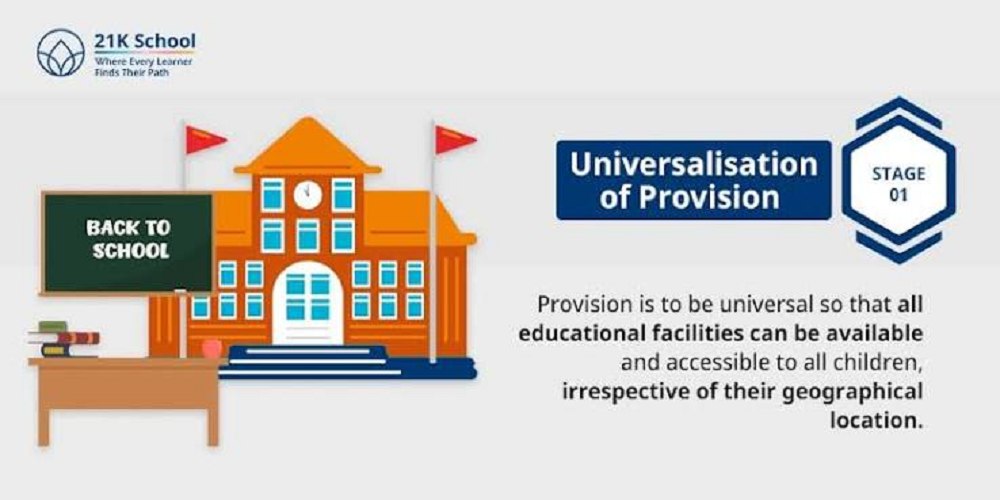
Although governments and educational institutions have made remarkable progress, several obstacles still slow the universalisation of elementary education.
Poverty and Economic Inequality
Many children belong to families with limited financial resources. Even when education is free, parents may struggle to afford transportation, uniforms, books, or digital devices. Some children are also expected to contribute to household income, resulting in school absenteeism or dropout.
Providing scholarships, free meals, and financial assistance can significantly reduce these barriers.
Gender Disparity
In some communities, girls continue to face discrimination regarding education. Cultural beliefs, early marriage, and safety concerns often prevent girls from completing elementary education.
Awareness campaigns, separate sanitation facilities, and scholarship programs encourage families to send girls to school regularly.
Lack of School Infrastructure
Many schools still face infrastructure-related issues such as:
- Inadequate classrooms
- Poor sanitation facilities
- Limited electricity
- Lack of drinking water
- Insufficient playgrounds
- Shortage of teaching materials
Improving infrastructure directly supports the universalisation of elementary education by creating a safe and engaging learning environment.
Teacher Shortages
Qualified teachers are the backbone of elementary education. However, many rural schools experience:
- High student-teacher ratios
- Vacant teaching positions
- Limited teacher training
- Poor professional development opportunities
Continuous teacher training and recruitment remain essential.
Digital Divide
Technology has transformed education, but many students still lack access to:
- Internet connectivity
- Smartphones
- Computers
- Digital learning platforms
Bridging the digital divide is becoming increasingly important for the universalisation of elementary education in the modern era.
Strategies to Strengthen Universalisation of Elementary Education
Governments, schools, communities, and families all have important roles in ensuring every child receives quality education.
Improve School Infrastructure
Schools should provide:
- Safe classrooms
- Functional toilets
- Clean drinking water
- Libraries
- Science corners
- Sports facilities
Better infrastructure improves attendance and learning outcomes.
Enhance Teacher Training
Teachers should receive regular professional development in:
- Child-centered learning
- Digital teaching methods
- Inclusive education
- Classroom management
- Assessment techniques
Well-trained teachers improve both academic performance and student engagement.
Encourage Community Participation
Parents and local communities can support schools by:
- Monitoring attendance
- Participating in school management committees
- Supporting learning activities
- Promoting education awareness
Community ownership strengthens the universalisation of elementary education.
Promote Inclusive Education
Every child deserves equal educational opportunities regardless of:
- Gender
- Disability
- Language
- Religion
- Social background
- Economic status
Inclusive classrooms promote equality and mutual respect.
Strengthen Digital Learning
Governments can improve access to education through:
- Online learning platforms
- Educational television
- Digital classrooms
- Smart boards
- Free educational apps
Technology complements classroom teaching rather than replacing it.
Role of Parents in Universalisation of Elementary Education
Parents play an essential role in ensuring children remain in school.
They can contribute by:
- Encouraging regular attendance
- Monitoring homework
- Communicating with teachers
- Providing emotional support
- Creating a learning-friendly home environment
Parental involvement positively influences children's academic performance and confidence.
Role of Teachers in Universalisation of Elementary Education
Teachers contribute far beyond classroom instruction.
Their responsibilities include:
- Creating inclusive classrooms
- Motivating students
- Identifying learning difficulties
- Promoting critical thinking
- Building confidence
- Supporting emotional development
Dedicated teachers remain central to the success of the universalisation of elementary education.
Role of Technology in Elementary Education
Modern technology has expanded educational opportunities significantly.
Examples include:
Digital Classrooms
Interactive lessons improve student participation.
Online Educational Platforms
Students can learn anytime and anywhere.
Educational Videos
Visual learning enhances concept understanding.
AI-Based Learning Tools
Personalized learning experiences support students with different learning needs.
Digital Assessments
Teachers can evaluate student performance more efficiently.
Technology has become an important partner in achieving the universalisation of elementary education.
Benefits of Universalisation of Elementary Education for Society
The long-term impact extends beyond individual learners.
Economic Development
An educated workforce contributes to higher productivity and economic growth.
Reduced Poverty
Education opens employment opportunities, helping families improve their standard of living.
Better Health
Educated individuals make informed decisions about nutrition, hygiene, and healthcare.
Gender Equality
Equal educational opportunities empower girls and women.
Lower Crime Rates
Education encourages responsible citizenship and reduces social problems.
Strong Democracy
Educated citizens participate more actively in democratic processes and community development.
These outcomes highlight why the universalisation of elementary education remains a national priority.
Future of Universalisation of Elementary Education
The future depends on sustained investment, innovation, and collaboration.
Governments should continue expanding:
- School infrastructure
- Teacher recruitment
- Digital education
- Inclusive policies
- Financial assistance
- Community participation
Emerging technologies such as artificial intelligence, adaptive learning platforms, and virtual classrooms will further improve access and learning quality.
However, human interaction, skilled teachers, and supportive communities will always remain at the heart of elementary education.
Conclusion
The universalisation of elementary education represents one of the most important goals for any nation seeking sustainable development. Ensuring every child has access to free, equitable, and quality elementary education creates opportunities for personal growth, economic prosperity, and social equality.
Although significant progress has been made through government initiatives, challenges such as poverty, infrastructure gaps, teacher shortages, and digital inequality still require attention. Continuous policy support, community participation, technological innovation, and strong educational leadership can overcome these obstacles.
A nation that successfully achieves the universalisation of elementary education invests not only in its children but also in its future. Every child deserves the opportunity to learn, grow, and contribute meaningfully to society, making universal elementary education a shared responsibility for governments, educators, parents, and communities alike.
Frequently Asked Questions (FAQs)
What is meant by universalisation of elementary education?
The universalisation of elementary education refers to ensuring that every child receives free, compulsory, and quality elementary education regardless of gender, income, religion, caste, or location.
Why is universalisation of elementary education important?
It promotes literacy, reduces poverty, improves employment opportunities, supports gender equality, and contributes to overall national development.
What are the main objectives of universalisation of elementary education?
The primary objectives include universal access, universal enrollment, universal retention, quality education, and equal educational opportunities for all children.
What are the major challenges in achieving universalisation of elementary education?
Common challenges include poverty, child labor, gender inequality, inadequate infrastructure, teacher shortages, and the digital divide.
How does the Right to Education Act support universalisation of elementary education?
The Right to Education (RTE) Act guarantees free and compulsory education for children aged 6–14 years and establishes standards for school infrastructure, teacher qualifications, and student rights.
How can technology improve universalisation of elementary education?
Technology expands access through digital classrooms, online learning platforms, educational apps, virtual lessons, and AI-powered personalized learning.
What role do parents play in universalisation of elementary education?
Parents encourage regular attendance, support learning at home, communicate with teachers, and motivate children to complete their education.
How does universalisation of elementary education contribute to national development?
It creates a skilled workforce, improves public health, reduces poverty, promotes social equality, strengthens democracy, and supports long-term economic growth.
Leave A Comment
0 Comment