
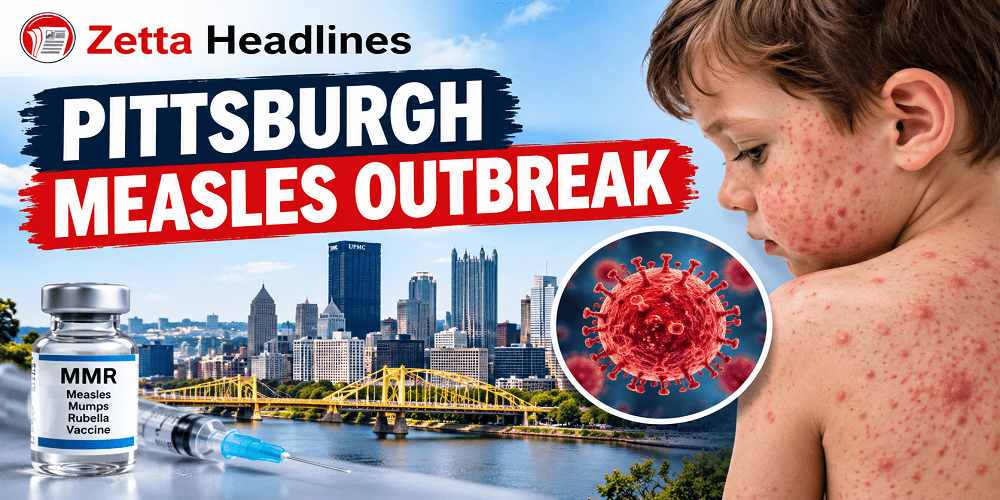
The Pittsburgh measles outbreak has drawn attention to the importance of vaccination, early detection, and public awareness when a highly contagious disease begins spreading in a community. Measles is one of the most contagious viral infections known, and even a small number of cases can become a serious public health concern when people who are not immune come into contact with an infected person.
For families in Pittsburgh and surrounding communities, understanding how measles spreads, what symptoms to watch for, and how vaccination can help is especially important during an outbreak. Parents, caregivers, schools, healthcare workers, and people with weakened immune systems may need to take additional precautions when measles activity is reported.
This article explains what the Pittsburgh measles outbreak means, how measles spreads, common symptoms, who faces the greatest risk, how vaccination works, and what people should do if they believe they have been exposed.
What Is the Pittsburgh Measles Outbreak?
The term Pittsburgh measles outbreak refers to reported measles transmission involving people in the Pittsburgh area. An outbreak generally means that several cases are connected through local transmission or exposure rather than being isolated infections with no known connection.
Measles is caused by the measles virus. It spreads extremely easily through the air when an infected person coughs, sneezes, talks, or breathes. The virus can remain in the air for a period of time after an infected person has left an indoor space.
Because measles is so contagious, health officials pay close attention to every confirmed case. Contact tracing and public notifications may be used to identify people who could have been exposed.
An outbreak does not mean that everyone in Pittsburgh is at risk of becoming infected. The level of risk depends on vaccination coverage, where exposure occurred, how long an infected person was contagious, and whether people who were exposed have immunity.
Why Measles Can Spread Quickly
One reason the Pittsburgh measles outbreak can become a concern is the exceptionally high contagiousness of measles.
A person with measles can infect other people before the characteristic rash appears. This makes it difficult for people to recognize an infected individual immediately. Someone may initially think they have a common cold or another respiratory infection.
Measles spreads particularly well in crowded indoor environments. Schools, daycare centers, healthcare facilities, airports, public transportation, workplaces, and large gatherings can create opportunities for exposure.
People who are fully vaccinated generally have strong protection against measles. However, communities with lower vaccination coverage can have more people who remain susceptible to infection.
This is why maintaining high vaccination rates is considered one of the most effective ways to prevent measles outbreaks.
Symptoms of Measles
Recognizing symptoms can help people seek medical advice sooner and avoid exposing others.
The first symptoms often appear several days after exposure. Common early symptoms include:
- Fever
- Cough
- Runny nose
- Red or watery eyes
- Tiredness
- Loss of appetite
Small spots called Koplik spots may also appear inside the mouth in some people before the skin rash develops.
The characteristic measles rash usually begins on the face or hairline and can gradually spread downward to other parts of the body.
Because early measles symptoms can resemble other respiratory infections, people should not rely only on symptoms to determine whether they have measles. A healthcare professional may recommend testing and provide instructions based on the person's symptoms and possible exposure.
When Is a Person With Measles Contagious?
A major concern during the Pittsburgh measles outbreak is that infected people can spread the virus before they realize they have measles.
People with measles are generally considered contagious from about four days before the rash appears through about four days afterward. This period allows the virus to spread before a person necessarily knows they have the disease.
If someone develops symptoms after a known measles exposure, it is important to contact a healthcare provider before visiting a medical office in person.
Calling ahead allows the healthcare facility to take precautions and reduce the possibility of exposing other patients and healthcare workers.
Who Is Most at Risk?
Anyone without immunity can become infected with measles. However, some people may face a higher risk of serious complications.
Young children, especially infants who are too young to receive routine vaccination, can be vulnerable. Pregnant people and individuals with weakened immune systems may also face greater risks from certain infections.
Adults who are unsure about their vaccination history may also need to speak with a healthcare provider about their immunity.
People who have received the recommended measles, mumps, and rubella vaccine, commonly known as the MMR vaccine, have substantially better protection than people who are unvaccinated.
During an outbreak, health officials may provide additional guidance for people who have been exposed or belong to higher-risk groups.
The Role of the MMR Vaccine
Vaccination is the primary tool used to prevent measles.
The MMR vaccine protects against measles, mumps, and rubella. Routine vaccination has dramatically reduced measles infections compared with the period before widespread vaccination.
Two doses of the MMR vaccine are routinely recommended for children in the United States. The timing of vaccination is generally based on age and public health recommendations.
During a measles outbreak, health authorities may issue specific recommendations for certain groups or locations. These recommendations can sometimes differ from routine vaccination schedules depending on the circumstances.
Anyone who is unsure whether they have received the recommended doses should discuss their vaccination history with a healthcare professional.
What to Do After Possible Exposure
If you believe you were exposed during the Pittsburgh measles outbreak, do not wait for a rash to appear before asking for guidance.
Contact your healthcare provider or local health department and explain when and where the possible exposure occurred. Tell them about any symptoms you are experiencing and provide your vaccination history if you know it.
Do not simply walk into a doctor's office, urgent care center, or hospital without calling first if measles is suspected. Because the infection spreads through the air, arriving without warning could expose other patients and staff.
Depending on the circumstances, health officials may recommend monitoring for symptoms, testing, vaccination, or other measures.
The appropriate response can depend on the person's age, vaccination history, immune status, pregnancy status, timing of exposure, and other factors.
Why Public Health Notifications Matter
When a measles case is confirmed, health departments may notify the public about locations where exposure could have occurred.
These notifications are not necessarily a sign that the virus is spreading throughout an entire city. Instead, they are intended to help people determine whether they may have been present at a location during a period when an infected person could have transmitted measles.
People who were potentially exposed may receive instructions about monitoring symptoms or contacting a healthcare provider.
Following official guidance is important because measles can spread quickly from one person to another.
Measles and Schools
Schools can be particularly important during a measles outbreak because students spend extended periods together indoors.
When an infected student or staff member has been present during the contagious period, health authorities may investigate possible exposures and provide recommendations to the school community.
Parents should pay attention to notices from schools and local health authorities rather than relying on social media posts or unverified messages.
If a child develops symptoms consistent with measles, parents should contact a healthcare professional before taking the child to a clinic.
Schools may also have vaccination requirements or exclusion policies that apply when certain communicable diseases are identified.
Why Vaccination Records Are Important
During an outbreak, knowing your vaccination history can make decisions much easier.
People who have documented vaccination records can quickly determine whether they received the recommended doses. Those who cannot find their records may need to discuss their situation with a healthcare provider.
Parents should keep children's immunization records updated and accessible. Electronic medical records, pediatrician offices, schools, and state immunization systems may help people locate information, depending on the circumstances.
If you are uncertain about your immunity, do not assume that you are protected or unprotected without discussing it with a qualified healthcare professional.
How Communities Can Reduce Measles Transmission
Preventing the spread of measles requires more than individual action. Community protection depends heavily on maintaining high vaccination coverage.
People can help reduce transmission by keeping routine vaccinations up to date, staying home when sick, following public health instructions, and avoiding unnecessary contact with vulnerable individuals when an infection is suspected.
Healthcare professionals also play an important role by identifying possible cases quickly and following appropriate infection-control procedures.
Public health departments monitor cases, investigate potential exposures, communicate with communities, and work to stop additional transmission.
These combined efforts can help contain an outbreak.
Measles Is More Than a Rash
It can be easy to underestimate measles because one of its most recognizable symptoms is a skin rash. However, measles can cause serious complications.
Possible complications include ear infections, diarrhea, pneumonia, and inflammation of the brain. Severe illness can be particularly dangerous for young children and people with certain underlying health conditions.
The possibility of complications is one reason public health officials take measles cases seriously.
Most people should not panic when they hear about an outbreak. Instead, they should focus on reliable information, vaccination status, and guidance from healthcare professionals and public health authorities.
Misinformation During a Measles Outbreak
Health emergencies often generate large amounts of information online. Some of that information may be inaccurate or taken out of context.
During the Pittsburgh measles outbreak, people may encounter posts claiming that a particular location is dangerous, that every person in a certain area has been exposed, or that specific treatments can prevent infection.
People should verify important health information through reliable sources such as public health departments, healthcare providers, and established medical organizations.
Social media can help spread official announcements, but it should not replace professional medical advice.
What Parents Should Know
Parents may have particular concerns when measles is reported in their community.
The first step is to check whether children are up to date with their recommended vaccinations. Parents who are unsure should contact their child's healthcare provider.
If a child has symptoms that could be consistent with measles, call the medical provider before arriving at the office. This allows staff to prepare for the possibility of a contagious infection.
Parents should also watch for official notifications from schools and public health authorities.
It is important not to expose other children unnecessarily if measles is suspected.
What Adults Should Know
Adults should also consider their vaccination history, particularly if they work in schools, healthcare, childcare, or other environments where they regularly interact with many people.
Adults who are unsure about their immunity can discuss their records and individual circumstances with a healthcare professional.
People who have recently traveled internationally may also want to pay attention to public health updates because measles continues to circulate in different parts of the world.
International travel can sometimes introduce measles into communities where local transmission has previously been limited.
What Happens When an Outbreak Is Investigated?
When public health authorities learn about a confirmed measles case, they may begin an investigation.
Officials may determine when symptoms began, where the person traveled, which locations they visited, and who may have been exposed.
Investigators may then contact people who were potentially exposed and provide instructions based on their circumstances.
This process helps identify additional cases early and reduces the possibility of continued transmission.
The number of reported cases can change as testing and investigations continue. For this reason, people should rely on current information from health authorities rather than older social media posts.
Staying Informed About the Pittsburgh Measles Outbreak
Anyone following the Pittsburgh measles outbreak should look for updates from reliable local and state health authorities.
Outbreak information can change as new cases are confirmed, exposure locations are identified, and investigations are completed.
People should pay attention to the date of an announcement because an old exposure notice may no longer represent the current situation.
If you believe you were exposed, your healthcare provider or public health department can provide guidance specific to your circumstances.
Final Thoughts
The Pittsburgh measles outbreak is a reminder of how quickly a highly contagious infection can become a community health concern. Measles spreads through the air and can be transmitted before the typical rash becomes visible, making early recognition and public health communication especially important.
Vaccination remains one of the strongest ways to prevent measles. People should check their vaccination records, follow official recommendations, and seek medical advice if they believe they have been exposed.
Most importantly, people should avoid spreading unverified information. Reliable guidance from public health authorities and healthcare professionals can help families make informed decisions and protect people who are more vulnerable to serious illness.
If you develop symptoms after a possible exposure, contact a healthcare provider before visiting a medical facility in person. Taking that simple step can help protect other patients, healthcare workers, family members, and the wider community.
FAQs About the Pittsburgh Measles Outbreak
1. What is the Pittsburgh measles outbreak?
The Pittsburgh measles outbreak refers to measles cases and related transmission occurring in or connected to the Pittsburgh area. Health officials investigate confirmed cases and possible exposure locations to limit further spread.
2. How does measles spread?
Measles spreads through the air when an infected person coughs, sneezes, talks, or breathes. Because the virus is extremely contagious, people without immunity can become infected after spending time in an area where an infected person was present.
3. What are the first symptoms of measles?
Early symptoms commonly include fever, cough, runny nose, and red or watery eyes. A characteristic rash generally appears later and often begins on the face before spreading to other parts of the body.
4. Can the MMR vaccine prevent measles?
The MMR vaccine provides strong protection against measles. People should follow the recommended vaccination schedule and speak with a healthcare professional if they are unsure about their vaccination history.
5. What should I do if I think I was exposed to measles?
Contact a healthcare provider or local health department for guidance and explain when the possible exposure occurred. If you develop symptoms, call before visiting a medical facility so appropriate precautions can be taken.
Leave A Comment
0 Comment