
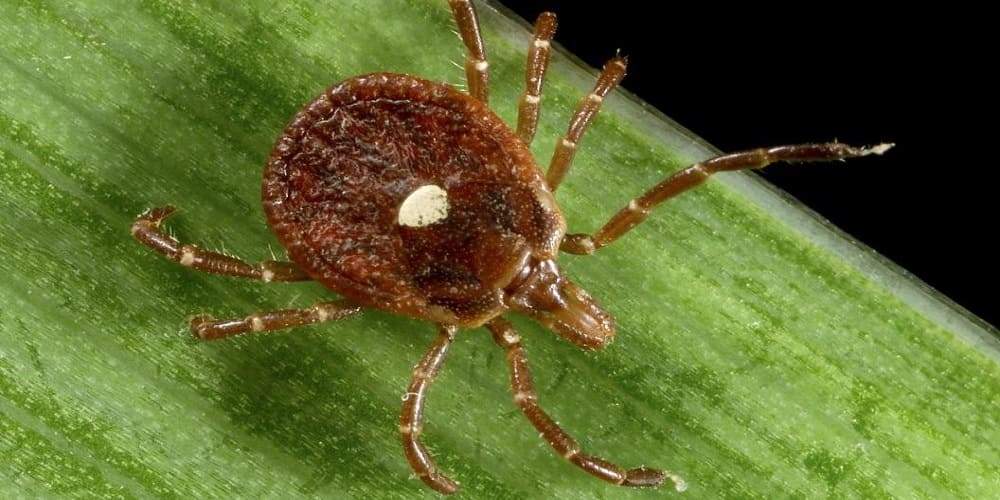
Bourbon virus ticks are associated with a rare but potentially serious tick-borne infection caused by the Bourbon virus. This virus was first identified in Bourbon County, Kansas, after a man developed a severe illness following a tick bite. Although cases remain extremely uncommon, health experts continue to study Bourbon virus ticks because the infection can lead to severe symptoms and, in some cases, death.
Ticks are small parasites that feed on the blood of humans and animals. Many tick species can carry harmful pathogens, including bacteria, parasites, and viruses. While most tick bites do not result in serious illness, certain ticks may transmit infections that require medical attention. The connection between Bourbon virus ticks and human disease highlights the importance of tick awareness, prevention, and early diagnosis.
Understanding how Bourbon virus ticks spread, what symptoms appear after infection, and how people can protect themselves is essential for individuals living in areas where ticks are common.
What Is Bourbon Virus?
Bourbon virus is a rare tick-borne virus belonging to a group of viruses known as thogotoviruses. It was discovered in 2014 when researchers investigated a fatal illness in a man from Bourbon County, Kansas. The patient had experienced a tick bite before developing symptoms similar to other serious infections.
Unlike many common tick-borne diseases, Bourbon virus infection is not caused by bacteria, meaning antibiotics do not work against it. Scientists are still researching the virus because very few confirmed cases have been reported.
The infection can affect the body’s immune system and blood cells, causing severe inflammation and other complications. Because Bourbon virus symptoms can resemble other illnesses, diagnosis can be challenging.
How Do Bourbon Virus Ticks Spread the Infection?
The primary suspected method of Bourbon virus transmission is through the bite of infected ticks. Researchers believe that certain tick species, especially the lone star tick, may play a role in spreading the virus.
When an infected tick attaches to a person and feeds on blood, the virus may enter the bloodstream. The risk of infection can increase when a tick remains attached for a longer period.
Bourbon virus ticks are generally found in outdoor environments, including:
- Forested areas
- Tall grass regions
- Brushy landscapes
- Farms and rural locations
- Areas with wildlife populations
People who spend significant time outdoors may have a higher chance of encountering infected ticks.
Types of Ticks Associated With Bourbon Virus
Scientists are still investigating exactly which tick species transmit Bourbon virus. However, the lone star tick is considered a possible carrier because it was found in connection with some reported cases.
The lone star tick is common in many parts of the United States and is recognized by the white spot or “lone star” marking on adult females.
Ticks that may potentially carry Bourbon virus can be difficult to identify because many tick species look similar. Proper tick identification and testing are important for understanding the spread of the disease.
Where Are Bourbon Virus Ticks Found?
Bourbon virus ticks have mainly been associated with parts of the central and southern United States. However, tick populations continue to expand due to environmental changes, climate conditions, and animal movement.
Areas with warmer temperatures, wooded habitats, and large wildlife populations often provide suitable environments for ticks.
Common locations where people may encounter Bourbon virus ticks include:
- Hiking trails
- Parks
- Gardens
- Agricultural areas
- Camping sites
- Wildlife habitats
People do not need to avoid outdoor activities completely, but they should take preventive steps when entering tick-prone areas.
Symptoms of Bourbon Virus Infection
Symptoms caused by Bourbon virus ticks exposure may appear several days after a tick bite. The exact incubation period is not fully understood because so few cases have been documented.
Common symptoms may include:
- Fever
- Extreme tiredness
- Headache
- Muscle aches
- Weakness
- Skin rash
- Nausea
- Loss of appetite
In severe cases, Bourbon virus infection may cause:
- Low levels of white blood cells
- Low platelet counts
- Organ complications
- Severe immune system response
Because these symptoms overlap with many other infections, medical evaluation is necessary after a possible tick exposure.
Why Bourbon Virus Can Be Difficult to Diagnose
Diagnosing Bourbon virus infection can be challenging because it is rare and symptoms are similar to other tick-borne illnesses.
Healthcare providers may consider several factors, including:
- Recent tick exposure
- Outdoor activities
- Location
- Symptoms
- Blood test results
Laboratory testing may be required to confirm infection. Since Bourbon virus is uncommon, doctors may first investigate more common illnesses before considering this rare condition.
Difference Between Bourbon Virus and Other Tick-Borne Diseases
Many tick-borne diseases share similar symptoms, but they are caused by different organisms.
For example:
- Lyme disease is caused by bacteria and is often associated with a bull’s-eye rash.
- Rocky Mountain spotted fever is caused by bacteria and may cause fever and rash.
- Bourbon virus is caused by a virus and may affect blood cell levels and immune response.
Because treatments differ, accurate diagnosis is important. Antibiotics used for bacterial infections do not treat viral infections like Bourbon virus.
FAQs About Bourbon Virus Ticks
1. What are Bourbon virus ticks?
Bourbon virus ticks are ticks that may carry and transmit the Bourbon virus, a rare tick-borne virus infection. The virus was first identified after a human case in Bourbon County, Kansas. Researchers believe certain tick species, including the lone star tick, may be involved in spreading the infection.
2. How do people get infected by Bourbon virus ticks?
People may become infected when an infected tick bites them and transfers the virus into their bloodstream. Spending time in areas with tall grass, forests, bushes, or wildlife increases the chance of coming into contact with ticks.
3. What symptoms are caused by Bourbon virus ticks?
Symptoms of Bourbon virus infection may include fever, headache, fatigue, muscle pain, weakness, rash, nausea, and loss of appetite. Severe cases may involve low white blood cell counts, reduced platelets, and serious complications affecting the body’s immune response.
4. Are Bourbon virus ticks dangerous?
Yes, Bourbon virus ticks can be dangerous because the infection may cause severe illness. Although confirmed cases are rare, Bourbon virus has been linked to serious health complications and requires medical attention if symptoms appear after a tick bite.
5. Which tick spreads Bourbon virus?
Scientists are still studying the exact tick species responsible for Bourbon virus transmission. The lone star tick is considered a possible carrier because of its association with reported cases.
6. Where are Bourbon virus ticks commonly found?
Bourbon virus ticks are mainly associated with areas where ticks naturally live, such as wooded regions, grassy fields, farms, parks, and outdoor environments. Reported cases have mostly occurred in parts of the central and southern United States.
7. Can Bourbon virus spread from person to person?
There is currently no strong evidence that Bourbon virus spreads from person to person. The main suspected method of transmission is through the bite of an infected tick.
8. How can I protect myself from Bourbon virus ticks?
You can reduce the risk of Bourbon virus ticks by wearing long sleeves and pants, using EPA-registered tick repellents, avoiding tall grass areas, checking your body after outdoor activities, and removing ticks quickly if they are found.
9. What should I do if a tick bites me?
If a tick bites you, remove it carefully using fine-tipped tweezers. Pull the tick upward with steady pressure without twisting. Clean the bite area and monitor for symptoms such as fever, rash, or unusual tiredness.
10. Is there a vaccine for Bourbon virus?
Currently, there is no approved vaccine available for Bourbon virus. Prevention mainly focuses on avoiding tick bites and reducing exposure to tick habitats.
11. Is Bourbon virus infection treatable?
There is no specific antiviral treatment approved for Bourbon virus infection. Medical care usually focuses on managing symptoms, supporting the immune system, and treating complications.
12. How long after a tick bite do Bourbon virus symptoms appear?
The exact incubation period of Bourbon virus is not fully known because only a limited number of cases have been identified. Symptoms may develop after several days, so people should monitor their health after a possible tick exposure.
13. Are children more at risk from Bourbon virus ticks?
Children who spend time outdoors may have a higher chance of tick exposure. However, Bourbon virus is rare, and preventive measures such as tick checks and protective clothing can help reduce risk.
14. Can pets carry Bourbon virus ticks into the home?
Pets can carry ticks indoors after outdoor activities. Regular tick checks on dogs and other animals can help prevent ticks from entering the home and potentially biting people.
15. When should I see a doctor after a tick bite?
You should contact a healthcare professional if you develop fever, severe fatigue, headache, rash, or other unusual symptoms after a tick bite, especially if you recently visited an area where ticks are common.
Leave A Comment
0 Comment