
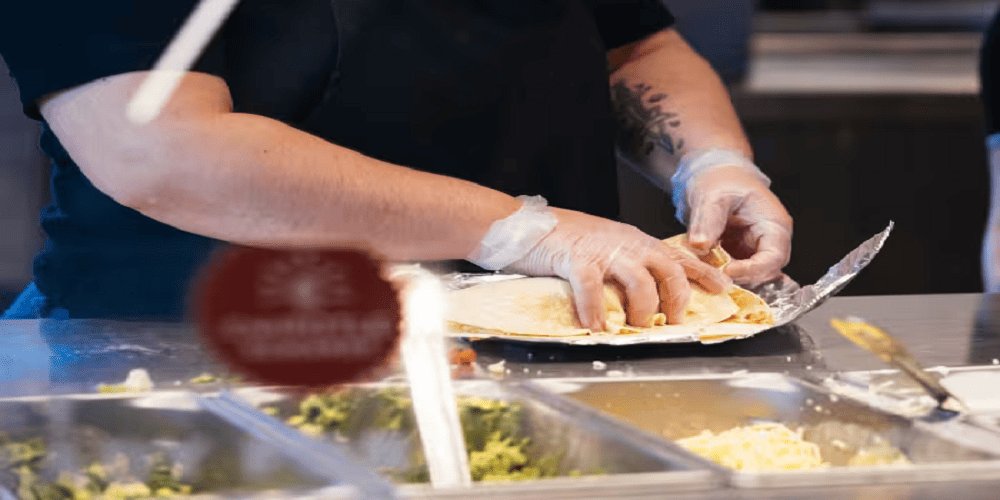
The Chipotle jalapeno salmonella outbreak has become a major food-safety story in the United States after Minnesota health officials identified a cluster of Salmonella Javiana infections associated with Mexican-style restaurants, with Chipotle being the most frequently reported restaurant among interviewed patients.
As of August 4, 2026, Minnesota health authorities had identified 110 cases connected to the outbreak investigation. Among 84 people interviewed by investigators, 75 reported eating at Chipotle between June 14 and July 14. Health officials also said that some patients ate at other Mexican-style restaurants, meaning the investigation is not limited to Chipotle.
Jalapeno peppers have emerged as a potential common ingredient. Chipotle responded by removing suspected jalapenos from restaurants where they had been distributed and replacing them with peppers from different growers. The company has also been cooperating with health authorities and providing ingredient-traceability information.
Importantly, the investigation is still developing. The U.S. Food and Drug Administration has opened a traceback investigation involving jalapenos and other ingredients, while the FDA's outbreak tracker lists the Salmonella Javiana investigation as ongoing and initially described the source as not yet identified.
That distinction matters. The available evidence points toward jalapenos as a possible vehicle for the outbreak, but officials have not announced that every Chipotle restaurant, every jalapeno, or every menu item is contaminated.
What Is the Chipotle Jalapeno Salmonella Outbreak?
The Chipotle jalapeno salmonella outbreak refers to the ongoing investigation into Salmonella Javiana infections reported in Minnesota and associated with Mexican-style restaurants.
The investigation began after public-health officials detected a cluster of illnesses. When investigators interview people who became sick, they look for common foods, restaurants, locations and other exposures. A high percentage of people reporting the same restaurant or ingredient can provide an important epidemiological clue.
In this investigation, Chipotle became a major focus because a large proportion of interviewed patients reported eating there during the relevant period.
According to reports from Minnesota health officials, 75 of 84 interviewed patients said they had eaten at Chipotle between June 14 and July 14. The remaining people reported eating at other Mexican-style restaurants.
That information does not automatically prove that Chipotle caused the illnesses. Investigators still need to determine where contamination occurred, whether the same ingredient was distributed to multiple restaurants and whether laboratory evidence supports the epidemiological findings.
The FDA's investigation is therefore particularly important because traceback work can follow ingredients through suppliers, distributors and restaurants.
Why Are Jalapenos Being Investigated?
Jalapeno peppers became a key focus after investigators noticed them as a potential common ingredient associated with the illnesses.
Fresh produce can become contaminated at different points in the food-supply chain. Contamination can potentially occur during growing, harvesting, processing, transportation, storage or food preparation.
According to Chipotle, its ingredient-traceability system allowed the company to identify jalapenos from a common lot as a potential common ingredient. The company then removed the peppers from restaurants where they had been distributed and replaced them with products from different growers.
However, consumers should be careful about interpreting this information as a final determination.
At the time of the latest reports, the FDA had not publicly identified jalapenos as the confirmed cause of the outbreak. Its outbreak investigation listed Salmonella Javiana and described the product as not yet identified while traceback work continued.
Therefore, it is more accurate to say that jalapenos are suspected as a possible source or vehicle rather than saying that contaminated Chipotle jalapenos have definitively been proven to cause every illness.
How Many People Have Been Sickened?
Minnesota health authorities have reported 110 Salmonella Javiana cases connected to the outbreak investigation.
Investigators were able to interview 84 of those people. Of those interviewed, 75 reported eating at Chipotle during the period investigated.
The outbreak may involve other restaurants as well. Health officials said some patients reported eating at other Mexican-style restaurants, and the suspected ingredient may have been distributed more broadly.
The case count can also change as additional illnesses are identified.
Foodborne outbreaks rarely appear in official statistics immediately after people become sick. A person may develop symptoms, visit a healthcare provider, undergo testing, receive a Salmonella diagnosis and then have the infection analyzed and matched with other cases.
Minnesota health officials have warned that the number of reported cases could increase even when the illnesses occurred weeks earlier because surveillance and laboratory confirmation take time.
When Did the Illnesses Occur?
The investigation has focused on illnesses and restaurant visits occurring during June and July 2026.
Among the interviewed patients, reported Chipotle visits occurred between June 14 and July 14. Officials said many of the reported exposures occurred between June 24 and July 2.
This timing is important because Salmonella symptoms do not necessarily begin immediately after eating contaminated food.
According to the CDC, symptoms commonly begin between six hours and six days after a person becomes infected. Most people recover within four to seven days.
Because there can be a delay between exposure, symptoms, medical testing and public-health investigation, an outbreak can continue to generate newly confirmed cases after the suspected food has already been removed.
What Is Salmonella Javiana?
Salmonella Javiana is one type, or serotype, of Salmonella bacteria.
Salmonella is a group of bacteria capable of causing gastrointestinal illness. People generally become infected after swallowing the bacteria through contaminated food or water, although Salmonella can also spread through animals and person-to-person contact.
The CDC says contaminated food is one of the most common ways Salmonella spreads. Produce and other foods can become contaminated at different stages of production and preparation.
Once Salmonella enters the digestive system, it can cause symptoms ranging from mild gastrointestinal illness to more serious disease.
Most healthy people recover without specific antibiotic treatment. However, Salmonella can sometimes cause severe dehydration or spread beyond the intestines.
What Are the Symptoms of Salmonella?
People concerned about the Chipotle jalapeno salmonella outbreak should know the common symptoms of Salmonella infection.
The most common symptoms include:
- Diarrhea
- Fever
- Stomach cramps
- Nausea
- Vomiting
- Headache
- Loss of appetite
Diarrhea can sometimes contain blood or mucus.
The CDC says symptoms generally begin six hours to six days after infection and commonly last four to seven days.
Not everyone experiences the same symptoms. Some infections can be relatively mild, while others can become serious.
Young children, older adults and people with weakened immune systems are among those at greater risk of serious illness.
When Should You Contact a Doctor?
Anyone experiencing severe or persistent symptoms should consider speaking with a healthcare professional.
The CDC recommends contacting a doctor for symptoms such as diarrhea or vomiting lasting more than two days, bloody stool, a fever above 102°F, or signs of dehydration.
Dehydration can be particularly concerning when diarrhea or vomiting is severe. Warning signs can include very dark urine, little or no urination, excessive thirst, dry mouth, dizziness and unusual weakness.
Parents should pay close attention to children because dehydration can develop quickly.
People with severe symptoms, underlying medical concerns or a higher risk of complications should seek professional medical advice rather than attempting to manage serious illness on their own.
What Should Chipotle Customers Do?
People who recently ate at Chipotle do not automatically need to assume they have Salmonella.
The current investigation does not mean that every Chipotle location or every menu item is contaminated. Health officials have specifically indicated that Chipotle took steps to remove the suspected jalapenos from affected restaurants.
Chipotle said it identified a potentially common jalapeno lot and removed the product from restaurants where it had been distributed. The company also replaced the peppers with products from different growers.
Customers should continue watching for official updates from public-health agencies rather than relying on social-media rumors.
If someone develops symptoms consistent with Salmonella after eating at a restaurant involved in the investigation, they should tell their healthcare provider about their recent food history.
That information can be useful to doctors and public-health investigators.
Is There a Recall of Chipotle Food?
Consumers should distinguish between a restaurant removing an ingredient as a precaution and an official nationwide food recall.
The current situation involves Chipotle removing suspected jalapenos from certain restaurants and replacing them with products from other growers.
The FDA's official outbreak information currently describes the Salmonella Javiana outbreak as an active investigation and lists the product as not yet identified.
That means consumers should not assume there is a nationwide recall covering every Chipotle meal or every jalapeno sold in the United States.
If federal or state authorities identify a specific recalled product, consumers should follow the instructions included in the official recall notice.
Is the Outbreak Limited to Chipotle?
No.
One of the most important points about the Chipotle jalapeno salmonella outbreak is that investigators have found evidence involving other Mexican-style restaurants.
The fact that many interviewed patients reported eating at Chipotle made the chain a significant part of the investigation, but other patients reported eating at other restaurants.
This raises the possibility that a shared ingredient or supplier could be involved.
If the same jalapeno supplier distributed peppers to multiple restaurants, illnesses at different establishments could potentially be connected to the same food source.
That is one reason FDA traceback investigations are important.
What Is the FDA Investigating?
The FDA has opened a traceback investigation into the Salmonella Javiana outbreak.
The agency's active investigation list identifies the outbreak as reference number 1395. As of its latest listed update, the outbreak was active and ongoing, with Salmonella Javiana and an unidentified product listed as the cause or suspected food category.
The FDA's investigation is not necessarily limited to jalapenos.
Investigators can examine multiple ingredients and follow them through the supply chain to determine whether different patients consumed food containing the same ingredient.
This process can involve reviewing purchasing records, supplier information, distribution records, restaurant locations and laboratory results.
Why Is Food Traceability Important?
Food traceability is especially important during a large restaurant outbreak because one ingredient can potentially reach many locations.
A restaurant may receive dozens or hundreds of ingredients from different suppliers. If an ingredient is distributed across several restaurants, identifying the common source can help health officials determine where contamination may have occurred.
Chipotle has said its traceability system helped identify the jalapeno lot that it considered a potential common ingredient.
The company's decision to remove the product was described as a proactive step while the investigation continued.
Traceability can also help investigators determine whether the suspected food reached restaurants outside the area where illnesses were first detected.
Can Jalapenos Carry Salmonella?
Yes. Fresh produce can become contaminated with Salmonella.
The bacteria may reach produce through contaminated water, soil, animals, handling or other points in the food-production chain.
The CDC notes that contaminated foods may look, smell and taste completely normal. This makes it impossible for consumers to reliably identify contaminated food simply by inspecting it.
That is why food-safety practices are important even when produce appears fresh.
Washing hands, keeping food preparation areas clean and preventing cross-contamination can reduce the risk of foodborne illness.
How Can Consumers Reduce Their Risk?
The CDC recommends four basic food-safety principles: clean, separate, cook and chill.
Clean hands, utensils and surfaces regularly.
Separate foods that will not be cooked from raw meat, poultry and seafood.
Cook foods to appropriate temperatures.
Chill perishable foods promptly.
For fresh produce, the CDC recommends rinsing fruits and vegetables under running water before eating, cutting or peeling them.
However, washing cannot guarantee that contaminated food will become safe. Consumers should always follow official recall and food-safety instructions when a specific product has been identified.
Should People Stop Eating at Chipotle?
There is currently no reason to interpret the investigation as a warning against every Chipotle restaurant nationwide.
The investigation is focused on a specific cluster of Salmonella illnesses and a possible ingredient connection.
Chipotle has removed suspected jalapenos from affected restaurants and replaced them with products from other growers. Minnesota officials have also indicated that, because of the measures Chipotle has taken, they do not currently have ongoing concerns about the chain itself, although contaminated food could potentially have been served elsewhere.
Consumers should base their decisions on official health guidance as the investigation develops.
It is also important not to confuse a current outbreak investigation with historical food-safety incidents involving the company.
Chipotle's Previous Food-Safety History
Chipotle has faced major food-safety controversies in the past.
Between 2015 and 2018, the company was associated with several foodborne illness outbreaks involving different locations and pathogens. Those incidents affected the company's reputation and prompted changes to food-safety practices.
In 2020, Chipotle agreed to pay $25 million to resolve federal criminal charges related to food-safety violations associated with earlier outbreaks.
However, historical incidents should not be used as proof that the current outbreak was caused by negligence.
The present investigation concerns a different event, and authorities are still working to establish the source.
What Happens Next?
The next stage of the Chipotle jalapeno salmonella outbreak investigation will likely focus on confirming the source of the illnesses.
Investigators can compare information from patients, restaurant records, suppliers and laboratory testing.
If a particular ingredient is confirmed as the source, officials may issue more specific guidance or recall information.
If laboratory evidence does not confirm the suspected jalapeno connection, investigators may shift their attention to another ingredient.
This is why consumers should be cautious with headlines that describe an investigation as a final conclusion.
An outbreak investigation can change as new evidence becomes available.
Why Could More Cases Be Reported?
More cases could appear even if contaminated food has already been removed.
There is a delay between infection and official case confirmation. The CDC explains that identifying a person as part of a Salmonella outbreak can take weeks because illness, medical testing, laboratory identification and public-health matching happen in stages.
Someone may therefore become ill before an outbreak is publicly announced.
This also means that an increase in the official case count does not necessarily mean that a restaurant is currently serving contaminated food.
Public-health surveillance often identifies older illnesses after investigators have begun looking for connections.
What Should Someone Do If They Think They Were Infected?
Anyone who believes they may have developed Salmonella after eating at a restaurant connected to the investigation should document when and where they ate and what symptoms they experienced.
They should contact a healthcare provider if symptoms are severe or persistent.
A healthcare professional may recommend laboratory testing, particularly when Salmonella is suspected.
According to the CDC, laboratory testing is important for confirming salmonellosis and can also help public-health officials identify outbreak connections.
People with diarrhea should also focus on maintaining adequate fluid intake to reduce the risk of dehydration.
Antibiotics are not automatically necessary for every Salmonella infection. The CDC says most patients require supportive care, while antibiotics may be considered for severe infections or people at increased risk of invasive disease.
Frequently Asked Questions About the Chipotle Jalapeno Salmonella Outbreak
What is the Chipotle jalapeno salmonella outbreak?
The Chipotle jalapeno salmonella outbreak is an ongoing investigation into Salmonella Javiana illnesses associated with Mexican-style restaurants in Minnesota and potentially elsewhere. Chipotle has been a major focus because many interviewed patients reported eating there.
How many people have been sickened?
Minnesota health officials have reported 110 Salmonella Javiana cases connected to the outbreak investigation. Of 84 interviewed patients, 75 reported eating at Chipotle during the relevant period.
Are Chipotle jalapenos confirmed to be contaminated?
Not yet. Jalapenos have been identified as a potential common ingredient, and Chipotle removed suspected peppers from affected restaurants. However, the FDA's outbreak tracker has continued to list the specific product as not yet identified while its investigation proceeds.
Did everyone who got sick eat at Chipotle?
No. Some patients reported eating at other Mexican-style restaurants. This is one reason investigators are looking at shared ingredients and suppliers rather than treating the outbreak as exclusively a Chipotle issue.
What type of Salmonella is involved?
The outbreak involves Salmonella Javiana.
What are the symptoms of Salmonella?
Common symptoms include diarrhea, fever and stomach cramps. Nausea, vomiting, headache and loss of appetite can also occur. Symptoms commonly begin six hours to six days after infection.
How long does Salmonella usually last?
Most people recover within four to seven days. Some infections can last longer or cause complications, particularly in vulnerable individuals.
When should I see a doctor?
Seek medical advice for persistent diarrhea or vomiting, bloody stool, a high fever or signs of dehydration. The CDC specifically recommends contacting a doctor for diarrhea or vomiting lasting more than two days, bloody stool, fever above 102°F or dehydration symptoms.
Is there a nationwide Chipotle recall?
The current investigation should not be confused with a nationwide recall of all Chipotle food. Chipotle has removed suspected jalapenos from restaurants where the potentially implicated product was distributed, while federal investigators continue their traceback work.
Is the outbreak still ongoing?
The investigation is ongoing. Officials have said it is too early to know whether new illnesses are continuing to occur, and additional cases may be reported because surveillance takes time.
Can Salmonella come from fresh vegetables?
Yes. Salmonella can contaminate produce and other foods. Contamination can occur before food reaches a restaurant or during handling and preparation.
Should I avoid jalapenos?
Consumers should follow official recall and public-health instructions rather than avoiding every jalapeno automatically. The current investigation has not established that all jalapenos are contaminated.
Final Thoughts
The Chipotle jalapeno salmonella outbreak is a developing food-safety investigation that deserves attention, but it is equally important to separate confirmed information from speculation.
Health officials have identified 110 Salmonella Javiana cases in the Minnesota investigation, and a large majority of interviewed patients reported eating at Chipotle during the period under review. Jalapenos have emerged as a potential common ingredient, prompting Chipotle to remove suspected peppers and replace them with products from different growers.
At the same time, the FDA continues to list the specific food source as not yet identified while traceback work continues.
For consumers, the most sensible approach is to monitor updates from health authorities, pay attention to official recalls and seek medical advice if symptoms become severe.
As investigators compare laboratory results, restaurant records and supply-chain information, the picture should become clearer. Until then, consumers should avoid rumors and rely on verified public-health information when making decisions about food safety.
Leave A Comment
0 Comment