
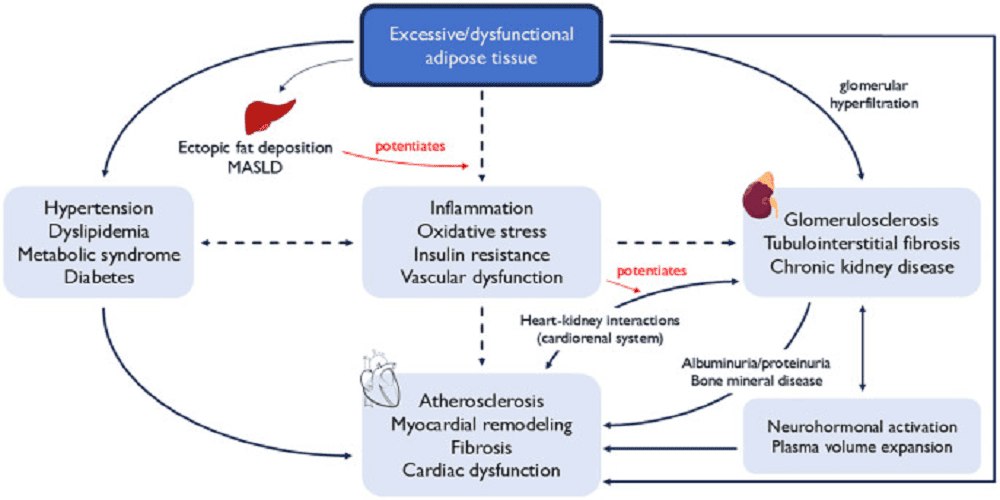
CKM syndrome is a newly recognized health condition that connects three major areas of the human body: the cardiovascular system, kidneys, and metabolism. The term stands for Cardiovascular-Kidney-Metabolic Syndrome, a condition in which problems like obesity, diabetes, kidney disease, and heart disease are closely linked and often occur together.
Healthcare experts have started paying more attention to CKM syndrome because millions of people around the world are living with one or more of these conditions without realizing how they affect each other. A person with obesity may later develop diabetes, which can damage the kidneys and increase the risk of heart disease. This chain reaction is the core idea behind CKM syndrome.
Understanding this condition is important because early diagnosis and lifestyle changes can significantly reduce health risks and improve quality of life.
What Is CKM Syndrome?
CKM syndrome refers to the interconnected relationship between metabolic disorders, chronic kidney disease, and cardiovascular disease. Rather than treating these conditions separately, doctors now recognize that they often develop together and influence one another.
The syndrome includes several health problems, such as:
- Obesity
- High blood pressure
- Type 2 diabetes
- High cholesterol
- Chronic kidney disease
- Heart disease
- Stroke risk
The concept of CKM syndrome helps doctors identify people who are at higher risk of serious health complications and encourages earlier treatment.
Why Is CKM Syndrome Important?
The rise in obesity and diabetes worldwide has led to an increase in kidney and heart diseases. Millions of adults are unknowingly progressing through the stages of CKM syndrome, increasing their chances of severe health problems.
Experts believe that treating the heart, kidneys, and metabolism as connected systems can:
- Improve early diagnosis
- Reduce healthcare costs
- Prevent complications
- Increase life expectancy
- Improve overall health outcomes
Recognizing CKM syndrome early may save lives by preventing heart attacks, kidney failure, and strokes.
How Does CKM Syndrome Develop?
The development of CKM syndrome is usually gradual. It often starts with unhealthy lifestyle habits that affect metabolism.
Stage 1: Excess Weight and Obesity
Being overweight increases inflammation and insulin resistance. Excess fat, especially around the abdomen, puts stress on the body and increases the risk of diabetes and high blood pressure.
Stage 2: Metabolic Disorders
Over time, obesity can lead to:
- Prediabetes
- Type 2 diabetes
- High cholesterol
- Increased blood sugar levels
These conditions damage blood vessels and affect kidney function.
Stage 3: Kidney Damage
High blood sugar and high blood pressure can harm the kidneys. The kidneys lose their ability to filter waste efficiently, leading to chronic kidney disease.
Stage 4: Cardiovascular Disease
Damaged kidneys and metabolic disorders place additional strain on the heart. This significantly increases the risk of:
- Heart attack
- Heart failure
- Stroke
- Peripheral artery disease
This progression illustrates the complete cycle of CKM syndrome.
Risk Factors for CKM Syndrome
Several factors increase the chances of developing CKM syndrome.
Obesity
Excess body weight is one of the leading causes of metabolic disorders and cardiovascular disease.
Diabetes
High blood sugar damages blood vessels and kidney tissues.
High Blood Pressure
Persistent hypertension puts pressure on the heart and kidneys.
High Cholesterol
Elevated cholesterol contributes to blocked arteries and heart disease.
Lack of Physical Activity
A sedentary lifestyle increases the risk of obesity and insulin resistance.
Smoking
Smoking damages blood vessels and increases inflammation.
Family History
Genetics can increase susceptibility to heart disease, diabetes, and kidney disorders.
Aging
The risk of CKM syndrome generally increases with age.
Symptoms of CKM Syndrome
One of the challenges with CKM syndrome is that many people experience few or no symptoms during the early stages.
Possible symptoms include:
- Fatigue
- Weight gain
- Shortness of breath
- Swelling in legs and feet
- Frequent urination
- High blood sugar levels
- High blood pressure
- Chest pain
- Dizziness
- Reduced physical activity tolerance
Because symptoms may be mild, regular health screenings are extremely important.
Stages of CKM Syndrome
Medical experts classify CKM syndrome into different stages based on the severity of metabolic, kidney, and cardiovascular problems.
Stage 0
No risk factors are present, but maintaining a healthy lifestyle remains important.
Stage 1
Excess body fat and early metabolic changes begin.
Stage 2
Prediabetes, diabetes, or high blood pressure develops.
Stage 3
Kidney disease and early cardiovascular damage appear.
Stage 4
Advanced cardiovascular disease such as heart failure or stroke occurs.
Understanding these stages helps doctors create personalized treatment plans.
How Is CKM Syndrome Diagnosed?
Diagnosing CKM syndrome requires a complete evaluation of metabolic, kidney, and cardiovascular health.
Doctors may recommend:
Blood Tests
Blood tests measure:
- Blood sugar levels
- Cholesterol levels
- Kidney function markers
Blood Pressure Monitoring
Persistent high blood pressure is an important indicator.
Urine Tests
Urine testing helps identify kidney damage.
Body Mass Index Measurement
BMI helps determine obesity levels.
Imaging Tests
Heart scans and kidney ultrasounds may be recommended in some cases.
Electrocardiogram
An ECG can evaluate heart function and identify abnormalities.
Early diagnosis of CKM syndrome significantly improves treatment outcomes.
Complications of CKM Syndrome
If left untreated, CKM syndrome can lead to severe health complications.
Heart Attack
Blocked arteries can reduce blood flow to the heart.
Stroke
Damage to blood vessels increases the risk of stroke.
Kidney Failure
Advanced kidney disease may require dialysis or transplantation.
Heart Failure
The heart becomes unable to pump blood effectively.
Peripheral Artery Disease
Reduced circulation can lead to leg pain and mobility problems.
Premature Death
Untreated CKM syndrome significantly increases mortality risk.
Treatment for CKM Syndrome
There is no single cure for CKM syndrome, but effective management can slow progression and reduce complications.
Healthy Eating
A balanced diet should include:
- Fruits
- Vegetables
- Whole grains
- Lean proteins
- Healthy fats
Reducing sugar, salt, and processed foods is essential.
Weight Management
Losing even a small amount of weight can improve blood sugar and blood pressure.
Regular Exercise
At least 150 minutes of moderate exercise each week is recommended.
Blood Sugar Control
Managing diabetes reduces damage to blood vessels and kidneys.
Blood Pressure Management
Keeping blood pressure within a healthy range protects the heart and kidneys.
Cholesterol Management
Lower cholesterol levels reduce cardiovascular risk.
Medications
Doctors may prescribe medications for:
- Diabetes
- High blood pressure
- High cholesterol
- Kidney protection
Smoking Cessation
Quitting smoking significantly lowers the risk of complications.
Can CKM Syndrome Be Prevented?
Yes, many cases of CKM syndrome can be prevented through healthy lifestyle choices.
Maintain a Healthy Weight
Keeping body weight under control lowers metabolic risk.
Eat Nutritious Foods
A healthy diet protects both the heart and kidneys.
Stay Active
Regular physical activity improves insulin sensitivity.
Control Blood Pressure
Monitoring blood pressure helps prevent organ damage.
Monitor Blood Sugar
Early detection of diabetes reduces complications.
Get Regular Checkups
Routine screenings can identify risk factors before serious disease develops.
The Connection Between Diabetes and CKM Syndrome
Diabetes plays a central role in CKM syndrome. High blood sugar damages blood vessels throughout the body.
This damage can lead to:
- Kidney disease
- Heart disease
- Nerve damage
- Vision problems
Managing diabetes effectively is one of the most important steps in preventing the progression of CKM syndrome.
The Role of Kidney Health in CKM Syndrome
The kidneys help regulate blood pressure, remove waste, and maintain fluid balance.
When kidney function declines:
- Blood pressure rises.
- Toxins build up.
- Heart disease risk increases.
Protecting kidney health is therefore an essential component of managing CKM syndrome.
The Role of Heart Health in CKM Syndrome
Cardiovascular disease is one of the most serious consequences of CKM syndrome.
Heart-related complications include:
- Coronary artery disease
- Heart failure
- Heart attack
- Irregular heartbeat
Improving heart health through exercise, diet, and medication can significantly reduce risks.
Living With CKM Syndrome
A diagnosis of CKM syndrome does not mean that serious complications are inevitable. Many people successfully manage the condition through lifestyle changes and medical care.
Important steps include:
- Following treatment plans
- Maintaining healthy eating habits
- Staying physically active
- Monitoring blood pressure and blood sugar
- Taking medications as prescribed
- Attending regular medical appointments
Long-term commitment to healthy habits can dramatically improve outcomes.
Future of CKM Syndrome Research
Researchers continue to study CKM syndrome to better understand how metabolic disorders, kidney disease, and cardiovascular disease interact.
Future developments may include:
- Earlier screening methods
- New medications
- Personalized treatment plans
- Better prevention strategies
- Improved public awareness
As knowledge about CKM syndrome grows, healthcare systems may become better equipped to identify and treat at-risk individuals.
Conclusion
CKM syndrome is an important medical concept that highlights the strong connection between cardiovascular disease, kidney disease, and metabolic disorders. Rising rates of obesity and diabetes have made this condition a major public health concern.
The good news is that CKM syndrome can often be prevented or managed through healthy lifestyle choices, regular medical checkups, and proper treatment. Early diagnosis is essential because addressing risk factors before complications develop can protect the heart, kidneys, and overall health.
By understanding CKM syndrome, individuals can take proactive steps toward living healthier and reducing their risk of serious diseases in the future.
Frequently Asked Questions
What does CKM syndrome stand for?
CKM syndrome stands for Cardiovascular-Kidney-Metabolic Syndrome, a condition that links heart disease, kidney disease, and metabolic disorders.
Is CKM syndrome dangerous?
Yes. If left untreated, CKM syndrome can lead to heart attacks, strokes, kidney failure, and other serious complications.
Can CKM syndrome be reversed?
Early stages of CKM syndrome may improve with weight loss, exercise, and proper management of blood pressure and blood sugar.
Who is at risk of CKM syndrome?
People with obesity, diabetes, high blood pressure, high cholesterol, and a family history of cardiovascular disease are at higher risk.
How is CKM syndrome treated?
Treatment includes lifestyle changes, medications, weight management, blood sugar control, and regular monitoring of heart and kidney health.
Can exercise help with CKM syndrome?
Yes. Regular physical activity improves cardiovascular health, helps control blood sugar, and reduces the progression of CKM syndrome.
Leave A Comment
0 Comment