
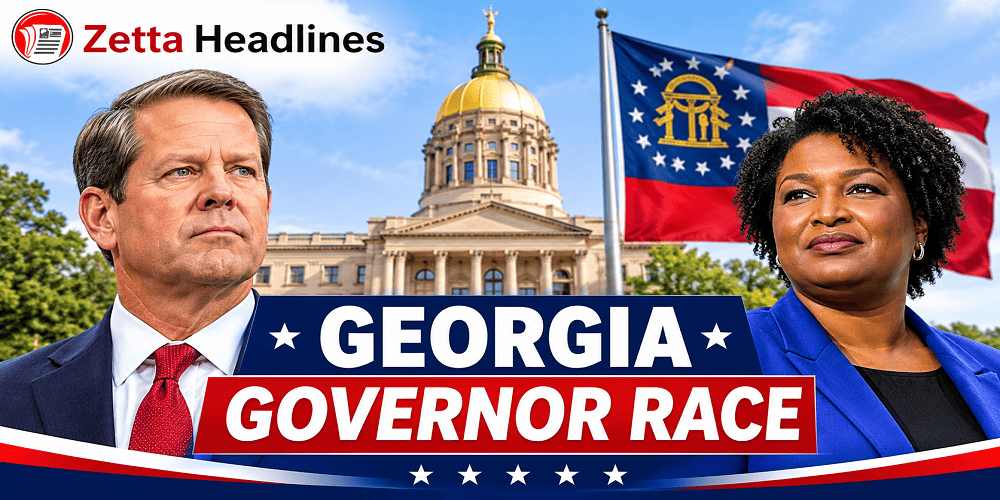
The Georgia governor race is one of the most closely watched political contests in the United States. Georgia has become an important battleground state in recent election cycles, attracting national attention because of its changing political landscape, competitive voting patterns, and influence on American politics. The governor's office plays a major role in shaping state policies, managing public services, and determining the direction of Georgia's economy.
The 2026 election cycle has brought renewed attention to the state's political future. Voters are interested in candidates, campaign priorities, election results, and the major issues that could influence the outcome. Topics such as healthcare, education, economic development, public safety, taxes, and voting rights remain central to political discussions.
Understanding the Georgia Governor Race requires looking beyond campaign advertisements and political party debates. Voters need to understand what the governor can actually do, how the election works, which issues matter most, and how the final results could affect residents.
This guide explains the Georgia gubernatorial election, its political background, major campaign issues, the role of the governor, and what voters should watch throughout the election process.
What Is the Georgia Governor Race?
The Georgia Governor Race is the statewide election in which voters choose the person who will serve as Georgia's governor. The governor is the state's chief executive and is responsible for overseeing the executive branch of government.
Unlike members of Congress, who represent people at the federal level, the governor focuses on state government. This includes implementing state laws, preparing the state budget, managing executive agencies, and responding to emergencies.
Georgia holds gubernatorial elections every four years. The governor serves a four-year term and can serve two consecutive terms under the state's constitutional rules. The position is therefore important not only for current policy decisions but also for the long-term direction of the state.
The election attracts attention from political parties, business organizations, community groups, and national political observers. Georgia's growing population and competitive political environment make the governor's office particularly significant.
Why Is the Georgia Governor Race Important in 2026?
Georgia has become an influential state in American politics. Its voters have supported candidates from both major political parties in recent statewide and federal elections. This competitive environment makes gubernatorial elections important indicators of public opinion.
The 2026 election is particularly significant because voters are evaluating the state's leadership, economic priorities, public services, and political direction.
Several factors make the Georgia Governor Race important.
Georgia's Changing Political Landscape
Georgia has experienced demographic and political changes over recent years. Population growth in metropolitan areas, suburban political shifts, and differences between urban and rural communities have influenced election campaigns.
Atlanta and its surrounding counties are particularly important because of their large populations. However, rural communities also play an important role in statewide elections.
Candidates must build support across different regions instead of depending entirely on one geographic area.
National Political Attention
Georgia frequently attracts attention from national political organizations. The state has played an important role in presidential elections and congressional contests.
A competitive governor election can influence political discussions beyond Georgia. National organizations may invest in campaigns, advertisements, voter registration efforts, and fundraising activities.
However, the governor's race remains a state election. Georgia voters ultimately decide who will lead their state.
The Future of State Policies
The next governor will influence important policy decisions involving education, healthcare, transportation, economic development, and public safety.
These decisions affect businesses, families, students, workers, and local communities. As a result, the election is important for people with different political views and economic interests.
Georgia Governor Candidates and Political Parties
Candidates are a major part of every gubernatorial election. Their backgrounds, political experience, campaign promises, and leadership styles help voters decide whom to support.
In Georgia, the Republican and Democratic parties traditionally play leading roles in statewide elections. Independent candidates may also participate if they meet the necessary election requirements.
For the 2026 cycle, voters should consult official candidate filings and Georgia election authorities for the confirmed candidate list. Campaign announcements and early political discussions should not automatically be treated as official ballot information.
Republican Candidates
Republican candidates generally compete for support by focusing on conservative policy priorities. Common campaign subjects include tax policy, business development, public safety, immigration, education, and government spending.
Georgia has a substantial Republican voter base, particularly in many rural and smaller communities. Republican campaigns often emphasize economic growth, individual responsibility, and limited government.
However, candidates may differ in their positions on healthcare, education funding, transportation, and other state-level issues.
Democratic Candidates
Democratic candidates generally focus on issues such as healthcare access, public education, workers' rights, infrastructure, and economic opportunities.
Georgia's Democratic voter base includes significant support in Atlanta and other urban communities. Suburban voters and younger residents may also influence the outcome.
Democratic campaigns often emphasize affordability, access to public services, and policies intended to expand economic opportunities.
Independent and Third-Party Candidates
Independent and third-party candidates can provide additional choices to voters. Their participation may introduce different policy discussions and campaign priorities.
Although these candidates may face challenges involving fundraising, media coverage, and statewide campaign organization, they can still contribute to the democratic process.
Voters should review the official ballot to understand which candidates are actually participating in the election.
Major Issues Shaping the Georgia Governor Race
Election campaigns often focus on issues that directly affect everyday life. Georgia's economy, population growth, and regional differences create several important policy discussions.
1. Economy and Job Creation
The economy is one of the most important subjects in the Georgia Governor Race. Voters want stable employment, competitive wages, affordable living costs, and opportunities for businesses.
Georgia has a diverse economy that includes manufacturing, logistics, agriculture, technology, healthcare, and entertainment.
The next governor will have an opportunity to influence economic development through state programs, workforce initiatives, infrastructure investments, and business policies.
Candidates may discuss attracting companies, supporting small businesses, expanding technical education, and creating employment opportunities outside major metropolitan areas.
Job creation is important, but voters may also consider the quality of available jobs, wage growth, and whether economic development benefits different communities.
2. Healthcare and Medical Costs
Healthcare affordability remains an important concern for many Georgia residents.
Families face expenses involving insurance premiums, prescription medications, hospital visits, and routine medical care. Rural communities may also experience difficulties accessing healthcare facilities and medical professionals.
Candidates may discuss hospital funding, rural healthcare services, mental health programs, insurance affordability, and access to preventive care.
Healthcare policy can be complicated because some decisions involve state government, while others depend on federal laws and private insurance providers.
Voters should examine whether campaign proposals explain how healthcare improvements would be funded and implemented.
3. Education and School Funding
Education is another major issue influencing the Georgia Governor Race.
Public schools, colleges, universities, and technical institutions play an important role in preparing Georgia's workforce.
Parents and educators are interested in school funding, teacher salaries, classroom resources, student performance, and educational opportunities.
Candidates may also discuss school safety, vocational training, higher education affordability, and programs designed to connect students with employers.
Georgia's growing economy requires workers with different skills. Improving education and workforce training could help businesses find qualified employees while creating better opportunities for students.
4. Public Safety and Crime
Public safety is a central responsibility of state leadership. Residents want safe neighborhoods, effective law enforcement, and a criminal justice system that protects communities.
Candidates may discuss police recruitment, crime prevention, prison policies, emergency response, and cooperation between state and local authorities.
Georgia's governor can influence public safety through executive agencies, state funding priorities, appointments, and policy implementation.
However, local police departments and county governments also have important responsibilities.
5. Taxes and Government Spending
Taxes affect households, employees, property owners, and businesses. Candidates often present different approaches to taxation and government spending.
Some may support tax reductions, while others may prioritize public investment in education, healthcare, transportation, and community services.
The governor plays an important role in preparing the state budget and working with the Georgia General Assembly.
Voters should consider how proposed tax changes could affect state revenue and whether the government would still have sufficient funding for essential services.
6. Transportation and Infrastructure
Georgia's population growth has increased pressure on roads, public transportation, and other infrastructure systems.
Traffic congestion is a major concern in the Atlanta metropolitan area. Rural communities may face different transportation challenges involving road maintenance and access to essential services.
Candidates may discuss highway improvements, public transit investment, bridge repairs, airport development, and freight transportation.
Infrastructure investment can also support economic growth by improving connections between businesses, workers, and customers.
How the Georgia Governor Election Works
Understanding the election process helps voters follow the Georgia Governor Race more accurately.
Georgia uses a statewide voting system to determine the governor. Eligible registered voters can participate according to state election laws and established voting procedures.
Primary Elections
Political parties hold primary elections to select their nominees. Candidates from the same party compete for the opportunity to represent their party in the general election.
Georgia has an open primary system, meaning voters do not register by party in order to participate in a party primary. However, voters generally choose which party's primary to participate in during a particular election.
Primary elections help determine which candidates advance to the general election.
General Election
The general election gives voters the opportunity to choose between the nominated candidates and other qualified candidates appearing on the ballot.
Georgia gubernatorial elections are held in November during gubernatorial election years.
The candidate receiving the required majority of votes wins. If no candidate receives more than 50% of the vote, Georgia law provides for a runoff election between the leading candidates.
Election Results and Certification
Election night results are initially reported as unofficial returns. These totals can change as additional ballots are counted and election officials complete required procedures.
The certification process verifies the official results according to Georgia election law.
Voters should distinguish between early vote counts, unofficial projections, media race calls, and certified election results.
For accurate information, the Georgia Secretary of State's website is an important source for official election updates.
What Role Does the Georgia Governor Play?
The governor is responsible for leading the executive branch of Georgia's state government.
The office carries significant authority, but the governor does not control every part of state government. The legislature and courts have separate constitutional responsibilities.
Some of the governor's major responsibilities include:
Executive leadership: The governor oversees executive agencies and works to implement state laws.
State budget: The governor prepares and recommends a state budget for consideration by the legislature.
Appointments: The governor appoints certain officials and members of boards and commissions, subject to applicable laws.
Legislation: The governor can sign or veto legislation passed by the Georgia General Assembly.
Emergency management: The governor can take specific actions during emergencies under state law.
Economic development: The governor works with state agencies, businesses, and local governments to encourage investment and employment.
These responsibilities explain why the Georgia Governor Race can have a major impact on state policy.
How the Georgia Governor Race Could Affect Residents
The outcome of a gubernatorial election can influence the everyday experiences of Georgia residents.
For example, changes in education funding may affect public schools, teachers, and students. Economic policies can influence business investment and employment opportunities. Transportation spending may determine which infrastructure projects receive priority.
Healthcare decisions can affect access to services, particularly in rural communities.
Tax policies can influence household budgets and business operating costs.
The governor also represents the state in discussions with the federal government and other state leaders.
Although many policy changes require legislative approval, the governor's priorities can influence which subjects receive attention and funding.
What Should Voters Consider Before Choosing a Candidate?
Voters should evaluate candidates based on their qualifications, policy proposals, leadership experience, and ability to deliver realistic results.
Campaign slogans can attract attention, but detailed policy plans provide more useful information.
Here are several factors worth considering.
Review Campaign Promises
Candidates often make promises about taxes, jobs, healthcare, and education. Voters should examine whether these proposals include practical steps and realistic funding plans.
Understand Previous Experience
A candidate's professional and public service background may provide information about their leadership abilities.
Voters can review previous government roles, business experience, community involvement, and public decisions.
Compare Policy Positions
Candidates from different political parties may have different approaches to the same issue.
Comparing their positions can help voters understand the possible consequences of electing each candidate.
Follow Reliable Election Information
Election-related misinformation can spread quickly through social media and unofficial websites.
Voters should check information through official election authorities and reputable news organizations before sharing claims about candidates or results.
Where to Follow Georgia Governor Race Updates
Following reliable sources is important for understanding the election.
The Georgia Secretary of State's office provides official election information, including voter registration resources, election procedures, and certified results.
The official website is:
The Georgia General Assembly website provides information about state legislation, government representatives, and legislative activity.
News organizations also provide campaign coverage, interviews, polling information, and election analysis.
Readers should remember that polling estimates are not election results. Polls represent surveys conducted with particular methods, sample sizes, and margins of error.
For the most accurate picture, compare multiple credible sources and prioritize official election information.
What Comes Next for Georgia?
The Georgia Governor Race represents an important opportunity for residents to influence the future of their state.
The next administration will face decisions involving economic development, public education, healthcare, transportation, taxes, and public safety.
Georgia's growing population and changing economy will create both opportunities and challenges. State leadership will need to balance investment, public spending, business development, and the needs of different communities.
The election's importance also extends beyond the campaign itself. Voter participation, election administration, policy discussions, and public accountability all contribute to the strength of the democratic process.
As the election develops, voters should follow confirmed candidate information, examine policy proposals, and verify election results through official sources.
The Georgia Governor Race is not simply about choosing a political party. It is about selecting the leadership that will guide Georgia's state government and influence the lives of its residents over the next four years.
Conclusion
The Georgia Governor Race is an important statewide election with implications for the economy, education, healthcare, transportation, public safety, and government spending.
Georgia's competitive political environment ensures that candidates must appeal to voters across different regions and communities. Their policy priorities and leadership experience will help shape the election debate.
Understanding the election process, reviewing official candidate information, and comparing realistic policy proposals can help voters make informed decisions.
Whether someone is following the election for political interest, business concerns, or its impact on local communities, staying informed through reliable sources is essential. The future direction of Georgia will depend on the choices voters make and the decisions taken by the next governor.
Frequently Asked Questions (FAQs)
1. What is the Georgia Governor Race?
The Georgia Governor Race is the statewide election in which registered voters choose Georgia's governor. The governor leads the executive branch, oversees state agencies, recommends budgets, and influences important state policies.
2. How often does Georgia elect a governor?
Georgia holds gubernatorial elections every four years. A governor serves a four-year term and may serve two consecutive terms under the state constitution.
3. What are the major issues in the Georgia Governor Race?
Major issues include economic development, job creation, healthcare affordability, education funding, public safety, taxes, transportation, and infrastructure. Candidates may offer different approaches to these subjects.
4. How can voters check Georgia Governor Race results?
Voters can follow official election information through the Georgia Secretary of State's website at https://sos.ga.gov/. Unofficial election-night results should be distinguished from final certified results.
5. What happens if no candidate receives more than 50% of the vote?
If no candidate receives a majority of the votes in the Georgia gubernatorial election, state law provides for a runoff between the two leading candidates. The runoff determines the winner.
Leave A Comment
0 Comment