
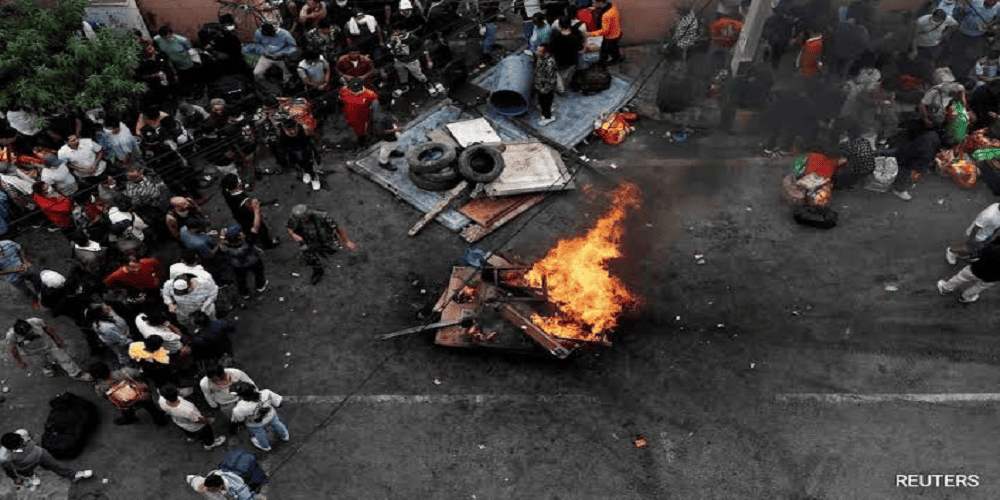
Nepal is known worldwide for its natural beauty, cultural diversity, and peaceful communities. However, like many countries, it has also experienced periods of political unrest, social conflicts, protests, and security challenges. The term nepal violence news has gained attention whenever incidents involving clashes, demonstrations, criminal activities, or political tensions occur across the country.
Understanding nepal violence news requires looking beyond individual incidents. Violence in Nepal can have multiple causes, including political disagreements, economic difficulties, social inequality, identity-based disputes, and public dissatisfaction with government decisions. News reports often highlight immediate events, but the deeper reasons behind these situations are connected to Nepal’s complex history and changing society.
This article explores the background of violence-related events in Nepal, the major factors contributing to unrest, the impact on citizens, government responses, and what people should know when following nepal violence news.
Understanding Nepal Violence News
The phrase nepal violence news refers to reports covering incidents of violence, conflicts, protests, clashes, and security-related situations happening within Nepal. These reports may include political demonstrations, conflicts between groups, law-and-order situations, or incidents affecting public safety.
News coverage plays an important role in informing citizens and the international community about developments inside the country. However, it is also important to evaluate information carefully because social media platforms can sometimes spread incomplete or misleading reports during sensitive situations.
Reliable sources, official statements, and verified information help people understand the real circumstances behind any violent incident. While headlines may focus on dramatic events, a complete understanding requires examining the social and political background.
Historical Background of Violence and Conflict in Nepal
Nepal has experienced significant political changes throughout its modern history. These changes have influenced social relationships, government structures, and public expectations.
One of the most important periods in Nepal’s history was the decade-long armed conflict between the government and the Communist Party of Nepal (Maoist). The conflict, which lasted from 1996 to 2006, resulted in thousands of deaths and deeply affected communities across the country.
The peace agreement signed in 2006 marked a major turning point. Nepal moved toward a democratic political system and later became a federal democratic republic. However, the effects of past conflict continue to influence politics and society.
Many issues connected to governance, representation, economic opportunities, and social justice remain topics of public discussion. These unresolved challenges sometimes contribute to protests and tensions, which become part of nepal violence news coverage.
Major Reasons Behind Violence in Nepal
Political Disagreements and Protests
Political competition is one of the major reasons behind unrest in Nepal. Different political groups often have competing views about government policies, leadership, economic plans, and constitutional matters.
Public demonstrations are common in democratic societies, but tensions can increase when protests become confrontational. Disagreements between protesters and security forces may sometimes lead to clashes, injuries, or property damage.
Political protests often receive significant attention in nepal violence news because they can affect daily life, transportation, businesses, and public services.
Economic Challenges and Unemployment
Economic problems can create frustration among citizens. Nepal has made progress in development, but many people continue to face challenges related to employment opportunities, income inequality, and migration.
A large number of Nepali citizens seek employment abroad due to limited job opportunities at home. Economic dissatisfaction can sometimes contribute to public anger and social tensions.
When economic concerns combine with political disagreements, protests and conflicts may become more likely. This is why economic conditions are often considered an important factor when analyzing nepal violence news.
Social Inequality and Identity Issues
Nepal is a country with many ethnic groups, languages, and cultural communities. Diversity is one of its strengths, but historical inequalities have created demands for greater representation and equal opportunities.
Issues related to identity, inclusion, and regional development have influenced political discussions for many years. When communities feel ignored or unfairly treated, dissatisfaction may lead to demonstrations or conflicts.
Understanding these social factors provides a clearer picture of why certain incidents appear in nepal violence news.
Criminal Activities and Security Concerns
Not all violence in Nepal is political. Criminal activities, personal disputes, organized crime, and local conflicts also contribute to security concerns.
Police agencies regularly work to control crime and maintain public safety. Reports involving criminal incidents are frequently covered by media outlets as part of general security news.
Separating political violence from ordinary criminal cases is important because each type of incident has different causes and solutions.
Role of Media in Covering Nepal Violence News
Media organizations play an important role in reporting events and keeping the public informed. During incidents involving protests or violence, journalists provide updates, interviews, and analysis.
However, reporting sensitive situations requires accuracy and responsibility. Incorrect information can increase fear, create misunderstandings, or worsen tensions between communities.
Professional journalism focuses on verified facts, official information, and multiple perspectives. Readers following nepal violence news should compare information from reliable sources instead of depending only on viral posts or unconfirmed claims.
Impact of Violence on Nepal Society
Effect on Local Communities
Violent incidents can create fear and uncertainty among affected communities. People may experience difficulties traveling, working, or accessing essential services during periods of unrest.
Small businesses and local markets can also suffer when protests or conflicts disrupt normal activities. Even short periods of instability can affect people’s income and daily routines.
Impact on Economy and Tourism
Tourism is an important part of Nepal’s economy. The country attracts millions of visitors due to destinations such as the Himalayas, cultural heritage sites, and adventure activities.
Negative reports related to violence may influence international perceptions. Travelers often monitor safety conditions before visiting a destination.
Maintaining stability and public safety is therefore important for Nepal’s tourism sector and overall economic growth.
Political and Social Consequences
Violence can influence public trust in institutions and government systems. If conflicts are not addressed properly, they may create long-term divisions within society.
At the same time, peaceful dialogue, democratic participation, and effective governance can help reduce tensions and strengthen social stability.
Government Response to Violence in Nepal
The Nepal government and security agencies generally respond to violent situations through law enforcement measures, investigations, and public communication.
Authorities often attempt to balance maintaining public order with protecting citizens’ rights to peaceful expression and assembly. This balance can be challenging during politically sensitive situations.
Long-term solutions require more than security responses. Addressing unemployment, inequality, governance concerns, and social inclusion can help reduce the possibility of future unrest.
Following Nepal Violence News Responsibly
In the digital age, information spreads quickly. Social media platforms allow people to share updates instantly, but they can also spread rumors.
People following nepal violence news should consider the following:
- Check whether information comes from reliable news organizations.
- Avoid sharing unverified claims.
- Look for official statements during emergency situations.
- Understand the difference between opinion and confirmed reporting.
- Consider multiple perspectives before forming conclusions.
Responsible news consumption helps prevent misinformation and supports better public understanding.
Future Outlook for Peace and Stability in Nepal
Nepal has experienced major political and social transformations over the past decades. Despite challenges, the country has continued efforts toward democratic development and economic progress.
Reducing violence requires cooperation between government institutions, political organizations, civil society groups, and local communities. Open communication and inclusive policies can help address many underlying causes of conflict.
Future coverage of nepal violence news will continue to reflect the country’s political environment, social changes, and efforts toward stability.
Conclusion
Nepal violence news provides important information about events affecting public safety, politics, and society. However, understanding these reports requires looking beyond individual incidents and examining the broader factors behind conflicts.
Political disagreements, economic challenges, social inequalities, and security issues all influence situations involving violence. Accurate journalism, responsible public discussion, and effective governance are essential for maintaining peace.
Frequently Asked Questions (FAQs) About Nepal Violence News
1. What is Nepal violence news about?
Nepal violence news refers to media reports covering incidents related to protests, political clashes, security issues, criminal activities, and other forms of unrest occurring in Nepal. These reports help people understand situations that may affect public safety, communities, and the country’s social environment.
2. Why does Nepal experience incidents of violence?
Violence in Nepal can occur due to several reasons, including political disagreements, social issues, economic challenges, criminal activities, and public dissatisfaction with certain decisions. Historical conflicts and ongoing debates about governance and representation have also influenced periods of unrest.
3. How can people get reliable Nepal violence news updates?
People should follow trusted news organizations, official government announcements, and verified sources for accurate information. During sensitive situations, it is important to avoid relying only on social media posts because unverified information can spread quickly.
4. Is Nepal safe for tourists despite violence-related news?
Nepal remains a popular travel destination and millions of visitors travel there every year. Like any country, some areas may experience temporary issues during protests or conflicts. Travelers should check current conditions, follow local guidance, and stay updated through reliable sources before visiting.
5. What are the common causes behind protests in Nepal?
Protests in Nepal can happen due to political disagreements, economic concerns, government policies, social demands, or calls for reforms. Many protests are peaceful, although some situations may become tense if disagreements escalate.
6. How does violence affect Nepal’s economy?
Violence and unrest can affect businesses, transportation, tourism, and investment. When instability continues for a long time, it may create economic challenges. Maintaining peace and stability supports economic growth and development.
7. What role does the government play during violent situations in Nepal?
The Nepal government and security agencies work to maintain public safety, investigate incidents, and manage law-and-order situations. Authorities also face the challenge of protecting citizens while respecting legal rights related to peaceful expression and assembly.
8. How does social media influence Nepal violence news?
Social media allows people to receive updates quickly, but it can also spread rumors or incorrect information. Users should verify news before sharing content, especially during periods of political tension or emergencies.
9. Has Nepal experienced major conflicts in the past?
Yes, Nepal experienced a decade-long armed conflict between the government and Maoist rebels from 1996 to 2006. The conflict significantly affected the country and later led to major political changes, including the transition toward a federal democratic republic.
10. What can reduce violence and unrest in Nepal?
Reducing violence requires addressing underlying issues such as economic inequality, unemployment, social concerns, and political disagreements. Dialogue, inclusive policies, strong institutions, and peaceful conflict resolution can help create long-term stability.
11. Why is it important to understand the background of Nepal violence news?
Understanding the background helps people avoid viewing incidents in isolation. Political history, social conditions, and economic factors often influence why certain events happen. A broader perspective leads to a more accurate understanding of Nepal’s situation.
12. Where can international audiences follow Nepal violence news?
International audiences can follow updates through established global and Nepal-based news organizations, official government communication channels, and verified reporting platforms. Checking multiple reliable sources provides a more balanced view of events.
Leave A Comment
0 Comment