
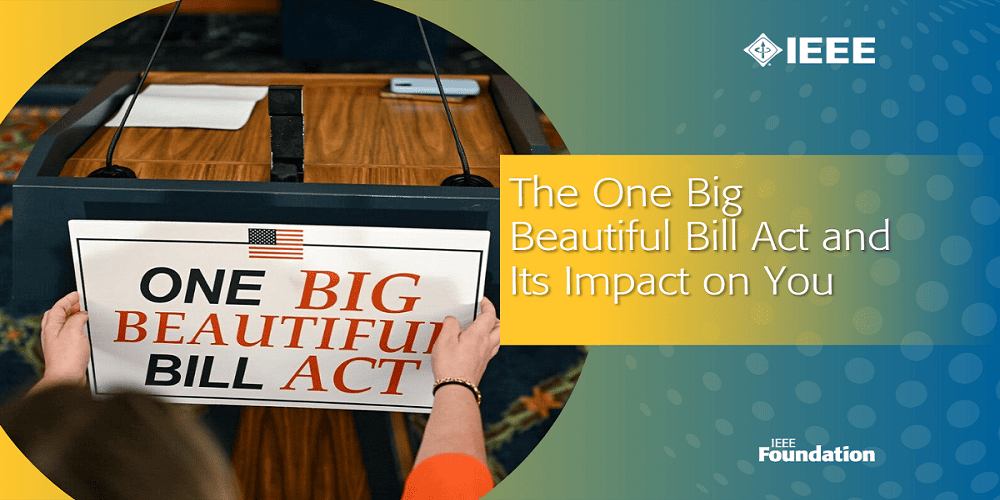
The One Big Beautiful Bill Act has become one of the most talked-about pieces of legislation in American politics. Supporters describe it as a transformative proposal designed to reshape taxes, government spending, infrastructure, and economic growth. Critics, however, argue that the legislation could have significant implications for the federal budget and public policy.
As debates continue across Washington, many Americans are searching for answers about the One Big Beautiful Bill Act, what it includes, who benefits from it, and how it could affect the country's future. This guide explains the key aspects of the proposal in simple terms.
What Is the One Big Beautiful Bill Act?
The One Big Beautiful Bill Act is a comprehensive legislative proposal that combines multiple policy initiatives into a single package. Rather than passing numerous smaller bills separately, lawmakers aim to address several national priorities through one large piece of legislation.
The proposal covers a wide range of areas, including:
- Tax reforms
- Economic development programs
- Government spending measures
- Infrastructure investments
- Energy policies
- Business incentives
- Social program funding
Because of its broad scope, the One Big Beautiful Bill Act has attracted attention from businesses, taxpayers, investors, and policymakers alike.
Why Is It Called the One Big Beautiful Bill Act?
The name reflects the idea of combining numerous policy priorities into one comprehensive package. Supporters argue that a single, large legislative package can simplify the lawmaking process and create coordinated economic reforms.
The phrase "big" refers to the size and scope of the legislation, while "beautiful" is used by supporters to emphasize the perceived benefits and long-term impact of the proposal.
Main Objectives of the One Big Beautiful Bill Act
1. Stimulating Economic Growth
One of the primary goals of the One Big Beautiful Bill Act is to encourage economic expansion. The legislation proposes various measures aimed at increasing investment, supporting businesses, and creating new employment opportunities.
2. Improving Infrastructure
Infrastructure remains a major concern in the United States. The bill includes proposals to improve:
- Roads
- Bridges
- Airports
- Public transportation systems
- Broadband networks
- Energy infrastructure
Improving infrastructure can create jobs while also increasing productivity across the economy.
3. Tax Reforms
Tax policy forms an important component of the One Big Beautiful Bill Act. Proposed changes may affect:
- Individual taxpayers
- Small businesses
- Large corporations
- Investors
- Estate planning
Supporters believe that tax reforms can encourage investment and economic activity.
4. Strengthening Domestic Industries
The legislation seeks to support domestic manufacturing and strategic industries. Policymakers argue that increasing domestic production can reduce dependence on foreign supply chains and improve national economic security.
Potential Economic Benefits
The One Big Beautiful Bill Act could potentially provide several economic benefits.
Increased Employment
Large-scale infrastructure and investment projects often create direct and indirect jobs. Construction, manufacturing, transportation, and technology sectors could experience increased demand.
Higher Business Investment
Businesses may increase spending on expansion if tax incentives and regulatory reforms make investment more attractive.
Consumer Confidence
Supporters argue that stronger economic growth could improve consumer confidence and encourage spending.
Regional Development
Infrastructure spending often benefits regions that need modernization and investment, potentially reducing economic disparities.
Potential Challenges and Concerns
Despite the expected benefits, the One Big Beautiful Bill Act has also generated criticism.
Federal Deficit Concerns
Some experts worry that increased spending and tax reductions could significantly increase the federal deficit.
Inflation Risks
Large government expenditures may contribute to inflationary pressures under certain economic conditions.
Political Disagreements
Because the legislation covers many policy areas, lawmakers disagree on several provisions, making negotiations complex.
Implementation Challenges
Large legislative packages often require extensive coordination among federal agencies, which can slow implementation.
Impact on Businesses
The One Big Beautiful Bill Act could affect businesses in several ways.
Small Businesses
Small businesses may benefit from:
- Tax incentives
- Reduced administrative burdens
- Access to new government programs
- Infrastructure improvements
Large Corporations
Large companies may experience changes in:
- Corporate tax obligations
- Investment incentives
- Regulatory requirements
- Energy policies
Startups
Entrepreneurs and startups may benefit from increased investment opportunities and government support programs.
Impact on Individual Taxpayers
Many Americans want to know how the One Big Beautiful Bill Act may affect their personal finances.
Possible impacts include:
- Changes in tax rates
- Modifications to deductions
- New tax credits
- Retirement planning considerations
- Family-related benefits
The exact impact depends on the final version of the legislation and individual financial circumstances.
Impact on Investors
Investors often pay close attention to major legislative proposals because government policy can influence financial markets.
Potential effects may include:
- Stock market reactions
- Sector-specific opportunities
- Bond market changes
- Infrastructure investment prospects
- Energy market developments
Financial professionals generally recommend monitoring legislative updates before making major investment decisions.
Political Significance of the One Big Beautiful Bill Act
The One Big Beautiful Bill Act is not simply an economic proposal. It also carries substantial political significance.
Major legislative packages often shape:
- Election debates
- Party priorities
- Public opinion
- Long-term policy direction
The bill's progress could influence future political strategies and legislative negotiations.
How the Legislative Process Works
For the One Big Beautiful Bill Act to become law, several steps generally occur:
- Introduction of the bill.
- Committee review.
- Debate and amendments.
- Voting in legislative chambers.
- Final approval.
- Executive signature.
Each stage can involve significant negotiations and revisions.
Public Response to the One Big Beautiful Bill Act
Public reactions remain divided.
Supporters believe the legislation could:
- Create jobs
- Improve infrastructure
- Strengthen economic growth
- Encourage investment
Critics argue it could:
- Increase government debt
- Create budget challenges
- Lead to unintended economic consequences
As more information becomes available, public opinion may continue to evolve.
Future Outlook
The future of the One Big Beautiful Bill Act depends on political negotiations, economic conditions, and legislative support.
Regardless of the final outcome, the proposal highlights several major issues facing the United States:
- Economic competitiveness
- Infrastructure modernization
- Tax policy reform
- Government spending priorities
- Long-term fiscal sustainability
The discussions surrounding the One Big Beautiful Bill Act are likely to continue shaping national policy debates for years to come.
Conclusion
The One Big Beautiful Bill Act represents one of the most ambitious legislative proposals in recent years. By combining multiple policy initiatives into a single package, lawmakers aim to address economic growth, infrastructure, taxation, and government priorities.
Whether the legislation ultimately succeeds or undergoes significant revisions, it has already become a major topic of national discussion. Understanding the provisions, potential benefits, and possible risks of the One Big Beautiful Bill Act can help individuals, businesses, and investors make informed decisions as the legislative process moves forward.
FAQs
What is the One Big Beautiful Bill Act?
It is a large legislative proposal that combines multiple policy initiatives, including taxes, infrastructure, and economic reforms.
Why is it called the One Big Beautiful Bill Act?
The name reflects its broad scope and the belief among supporters that it could produce significant positive changes.
Who could benefit from the One Big Beautiful Bill Act?
Businesses, investors, workers, and certain taxpayers could potentially benefit depending on the final provisions.
Could the bill affect taxes?
Yes. Tax reforms are considered one of the major components of the proposal.
Does the bill include infrastructure spending?
Yes. Infrastructure improvements are among the key priorities included in the legislation.
Has the One Big Beautiful Bill Act become law?
The status depends on the legislative process and whether the proposal receives final approval from lawmakers and the executive branch.
Leave A Comment
0 Comment