
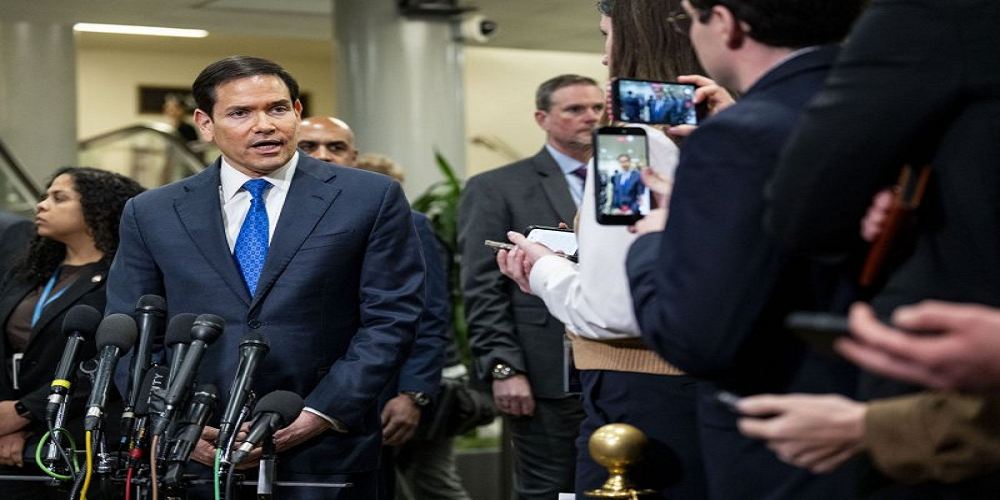
The senate war powers vote has also been influenced by court decisions and legal opinions over the years. Although the judiciary has occasionally been asked to resolve disputes involving military authority, federal courts often avoid ruling on these issues by describing them as political questions best handled by Congress and the executive branch.
As a result, many disagreements about military operations are settled through political negotiation rather than judicial intervention. This makes the senate war powers vote even more significant because it provides one of the primary constitutional tools for Congress to express its position on military engagements.
Legal scholars continue to debate whether stronger enforcement mechanisms should accompany war powers legislation. Some argue that Congress should impose stricter funding restrictions, while others believe the existing constitutional framework already provides sufficient checks and balances.
Historical Examples of Senate War Powers Vote
Several major military conflicts have prompted lawmakers to consider a senate war powers vote.
Vietnam War
The Vietnam War significantly influenced the relationship between Congress and the presidency. Growing concerns about executive authority eventually led to the passage of the War Powers Resolution in 1973.
Gulf War
Before the 1991 Gulf War, Congress debated military authorization extensively. The Senate approved the use of military force after considerable discussion, demonstrating the importance of legislative participation before large-scale military action.
Iraq War
In 2002, Congress authorized military action in Iraq through a formal vote. Years later, lawmakers debated whether that authorization should remain in effect, leading to additional discussions surrounding the senate war powers vote.
Syria
Military operations in Syria generated repeated debates about congressional authorization. Senators questioned whether existing authorizations covered newer operations against terrorist organizations and foreign governments.
Yemen
Congress passed multiple resolutions concerning U.S. involvement in the conflict in Yemen. Although presidential vetoes prevented some measures from becoming law, these debates highlighted the growing importance of the senate war powers vote in foreign policy oversight.
Public Opinion and Senate War Powers Vote
Public opinion frequently shapes discussions surrounding a senate war powers vote. During prolonged military conflicts, citizens often demand greater transparency regarding objectives, costs, and expected outcomes.
Lawmakers closely monitor public sentiment because military engagements involve significant financial commitments, national security considerations, and risks to service members. As public attitudes shift, senators may reconsider their positions on military authorizations.
Media coverage also influences public understanding of military operations. News reports, expert analysis, and congressional hearings provide information that can affect how voters view a proposed senate war powers vote.
Impact on Foreign Policy
Every senate war powers vote has implications beyond domestic politics. Allies, adversaries, and international organizations closely observe congressional debates to understand U.S. foreign policy priorities.
When Congress demonstrates bipartisan support for military action, allies often view American commitments as more stable and predictable. Conversely, closely divided votes may signal ongoing political debate about long-term strategy.
Diplomatic negotiations can also be affected. Foreign governments frequently consider congressional positions when evaluating future security cooperation with the United States.
Challenges Facing Future Senate War Powers Vote
Modern warfare presents new challenges that were not fully anticipated when the War Powers Resolution was enacted.
Cyber Warfare
Cyberattacks may disrupt critical infrastructure without involving traditional military forces. Determining whether cyber operations require congressional authorization remains an evolving legal question.
Artificial Intelligence
AI-assisted defense systems and autonomous technologies introduce additional questions regarding executive authority and congressional oversight.
Drone Operations
Remote military operations have become increasingly common. Some lawmakers argue that sustained drone campaigns should receive explicit congressional approval through a senate war powers vote.
Counterterrorism Missions
Military operations against non-state actors often extend across multiple countries and continue for many years. Congress continues debating whether older authorizations remain sufficient or whether updated legislation is necessary.
Why Senate War Powers Vote Matters to Citizens
Although military decisions are made by elected officials, they directly affect American citizens in several ways.
Taxpayer funds support military operations, making congressional oversight an important aspect of fiscal responsibility. Military deployments also affect service members and their families, underscoring the importance of careful legislative review.
The senate war powers vote promotes transparency by requiring senators to publicly debate and record their positions. Citizens can evaluate how their elected representatives approach questions of national security, constitutional authority, and international relations.
Understanding these votes also helps voters make informed decisions during elections. A senator's record on military authorization often reflects broader views on foreign policy and constitutional governance.
Key Takeaways
The senate war powers vote remains one of the most significant congressional tools for overseeing military action. It reflects the constitutional balance between Congress's authority to authorize war and the president's role as Commander in Chief.
Although disagreements over executive power continue, these votes encourage accountability, transparency, and public debate. They also demonstrate the importance of maintaining checks and balances during periods of international conflict.
As warfare continues to evolve through advances in technology and changing geopolitical realities, the senate war powers vote will likely remain central to discussions about military authority, constitutional law, and American foreign policy. Understanding its purpose, history, and legal framework helps citizens better appreciate how democratic institutions shape decisions involving the use of military force.
Frequently Asked Questions About Senate War Powers Vote
What is a senate war powers vote?
A senate war powers vote is a formal vote in the U.S. Senate on legislation related to the president's authority to use military force. These votes often determine whether military operations should continue, be limited, or require congressional approval under the War Powers Resolution of 1973.
Why does the Senate hold a war powers vote?
The Senate conducts a senate war powers vote to exercise Congress's constitutional authority over matters of war. These votes allow lawmakers to debate whether ongoing military actions align with U.S. law, national interests, and constitutional requirements.
What is the War Powers Resolution?
The War Powers Resolution, passed in 1973, requires the president to notify Congress within 48 hours of introducing U.S. armed forces into hostilities. It also generally limits military engagement to 60 days without congressional authorization, followed by a 30-day withdrawal period if approval is not granted.
Can the Senate stop military action through a war powers vote?
A senate war powers vote can express Congress's position and, if passed by both chambers and signed into law—or enacted over a presidential veto—can require limits on military operations. However, legal and political debates often arise over the extent of congressional authority versus presidential powers.
Does the House of Representatives also vote on war powers?
Yes. While the Senate may pass a war powers resolution, the House of Representatives typically must approve similar legislation before it can become law. Both chambers play important roles in overseeing military engagements.
How often does a senate war powers vote occur?
There is no fixed schedule. A senate war powers vote usually occurs when significant military operations, international conflicts, or constitutional concerns prompt lawmakers to seek congressional oversight.
Are war powers votes legally binding?
Some war powers votes are legally binding if they become law through the legislative process. Others are symbolic or advisory resolutions intended to communicate Congress's position without creating enforceable legal requirements.
Why are senate war powers votes controversial?
These votes often involve disagreements over constitutional authority, national security, foreign policy, and the urgency of military action. Some lawmakers argue that presidents need flexibility during emergencies, while others emphasize Congress's constitutional responsibility to authorize prolonged military engagements.
Leave A Comment
0 Comment