
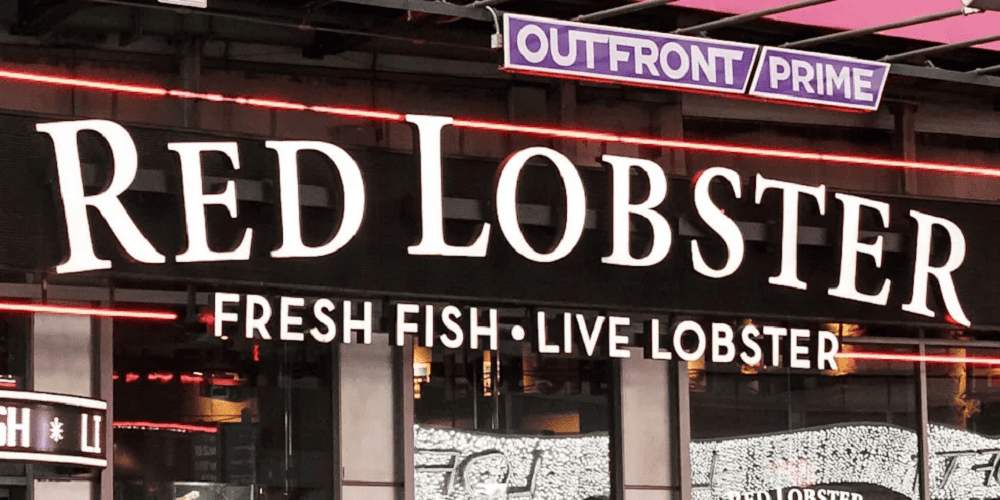
The Red Lobster Times Square closure became one of the most talked-about developments in the restaurant industry. For decades, Red Lobster was recognized as one of America's most popular seafood restaurant chains. Its location in New York City's Times Square attracted tourists, office workers, and local residents looking for seafood favorites such as lobster tails, shrimp platters, and cheddar bay biscuits.
When news of the Red Lobster Times Square closure surfaced, many customers were surprised. The restaurant had long been considered a landmark dining destination in one of the busiest commercial districts in the world. The closure raised questions about the future of the company, changing consumer habits, and the challenges facing restaurant chains across the United States.
This article explores the reasons behind the Red Lobster Times Square closure, the factors contributing to the decision, customer reactions, and what the future may hold for the iconic seafood brand.
Understanding the Importance of the Times Square Location
Times Square is one of the most visited locations in the United States. Millions of tourists visit the area every year, making it a prime destination for restaurants, entertainment venues, and retail stores.
For many years, Red Lobster maintained a strong presence in Times Square. The location benefited from heavy foot traffic and visibility. Visitors from around the world often chose the restaurant as a convenient place to enjoy seafood while exploring New York City.
Because of its high-profile location, the Red Lobster Times Square closure attracted attention far beyond New York. Industry experts viewed it as a significant indicator of broader changes occurring within the restaurant business.
Why Did the Red Lobster Times Square Closure Happen?
Several factors contributed to the Red Lobster Times Square closure.
Financial Challenges
Like many restaurant chains, Red Lobster faced increasing financial pressure in recent years. Rising food costs, labor expenses, rent obligations, and operational costs created significant challenges.
The Times Square area is known for some of the highest commercial rents in the country. Maintaining a large restaurant in such a premium location requires consistent customer traffic and strong revenue.
As expenses increased, profitability became more difficult to maintain.
Changing Consumer Preferences
Modern consumers have more dining options than ever before. Food delivery services, fast-casual concepts, local seafood restaurants, and specialty dining experiences have changed customer expectations.
Many younger diners seek unique culinary experiences rather than traditional chain restaurants. This shift has impacted numerous national restaurant brands, including seafood chains.
The Red Lobster Times Square closure reflects how evolving consumer behavior can influence even well-established brands.
Impact of Economic Conditions
Economic uncertainty has affected spending habits across the United States. Consumers often reduce discretionary spending during periods of inflation or financial stress.
Dining out is one of the areas where many households choose to cut expenses. Restaurants located in premium tourist districts may feel these effects more significantly because they often depend on visitor spending.
Operational Restructuring
Reports surrounding the Red Lobster Times Square closure suggested that the company was reviewing its portfolio of restaurant locations and identifying underperforming units.
Restaurant chains frequently close selected locations as part of restructuring efforts designed to improve overall business performance.
While closures can be disappointing for customers, companies often view them as necessary steps toward long-term sustainability.
The History of Red Lobster
To understand the significance of the Red Lobster Times Square closure, it helps to look at the brand's history.
Red Lobster was founded in 1968 and quickly became one of America's most recognizable seafood restaurant chains. The company built its reputation by offering seafood dishes at affordable prices.
Its menu featured:
- Lobster
- Shrimp
- Crab
- Fish
- Seafood combinations
- Signature cheddar bay biscuits
Over the years, Red Lobster expanded across the United States and internationally. Millions of customers celebrated birthdays, family gatherings, and special occasions at its restaurants.
The company became a symbol of casual seafood dining for several generations.
Customer Reactions to the Closure
The Red Lobster Times Square closure generated strong reactions from customers.
Many longtime patrons expressed nostalgia and disappointment. Social media platforms filled with comments from people sharing memories of family dinners and vacation experiences at the restaurant.
Tourists who regularly visited New York also noted that the closure marked the end of a familiar dining option in Times Square.
Others viewed the closure as part of a broader trend affecting legacy restaurant chains. Consumers increasingly recognize that even well-known brands must adapt to changing market conditions.
The Challenges Facing Restaurant Chains Today
The Red Lobster Times Square closure highlights several challenges affecting the restaurant industry.
Rising Food Costs
Seafood prices can fluctuate significantly due to supply chain disruptions, environmental factors, and transportation expenses.
Restaurants that specialize in seafood often face higher cost pressures compared to other dining categories.
Labor Shortages
Many restaurants continue to experience staffing challenges. Recruiting and retaining employees has become increasingly difficult.
Higher wages and benefits are often necessary to attract workers, increasing operating expenses.
Increased Competition
The restaurant marketplace has become highly competitive.
Consumers can choose from:
- Local restaurants
- Independent seafood establishments
- Food delivery services
- Meal kits
- Fast-casual chains
- Ghost kitchens
This competition places pressure on traditional restaurant brands.
Real Estate Costs
Prime urban locations like Times Square command exceptionally high rents.
Even successful restaurants may struggle to justify these costs if revenue growth does not keep pace with expenses.
What the Closure Means for Times Square
The Red Lobster Times Square closure represents more than the loss of a single restaurant.
Times Square continues to evolve as businesses adapt to changing consumer trends. Restaurant operators increasingly focus on concepts that offer unique experiences, innovative menus, and strong social media appeal.
The departure of an established chain opens opportunities for new businesses to enter the market.
Many observers expect the former location to attract interest from restaurant groups, entertainment companies, or retail brands seeking visibility in one of the world's most famous commercial districts.
Can Red Lobster Recover?
Despite the Red Lobster Times Square closure, the company still maintains a recognizable brand and loyal customer base.
Several factors could support future recovery.
Brand Recognition
Few restaurant brands possess the level of awareness enjoyed by Red Lobster.
Generations of consumers are familiar with the restaurant and its menu offerings.
Menu Innovation
Introducing new menu items and modernizing existing offerings could help attract younger diners.
Many restaurant chains have successfully revitalized their businesses through menu updates.
Digital Transformation
Online ordering, mobile apps, loyalty programs, and delivery partnerships can help restaurants connect with modern consumers.
Expanding digital capabilities may create additional revenue opportunities.
Strategic Location Management
Closing underperforming locations allows companies to focus resources on stronger markets.
This approach can improve overall financial performance and support long-term growth.
Industry Lessons from the Red Lobster Times Square Closure
Business leaders can learn several lessons from the Red Lobster Times Square closure.
Adaptation Is Essential
Consumer preferences evolve continuously.
Companies that fail to adapt risk losing relevance in competitive markets.
Location Alone Is Not Enough
A prestigious address does not guarantee profitability.
Successful businesses must balance revenue opportunities with operating costs.
Customer Experience Matters
Modern consumers value memorable experiences as much as food quality.
Restaurants that create distinctive experiences often gain competitive advantages.
Financial Flexibility Is Important
Businesses need sufficient flexibility to respond to changing economic conditions and market trends.
Strong financial management can help companies navigate challenging periods.
The Future of Seafood Restaurants
The seafood restaurant segment continues to offer opportunities despite current challenges.
Consumers remain interested in seafood because of its flavor, nutritional benefits, and variety.
Future growth may come from:
- Sustainable seafood sourcing
- Health-focused menu options
- Innovative dining experiences
- Technology integration
- Enhanced customer engagement
Restaurants that embrace these trends may be better positioned for long-term success.
Conclusion
The Red Lobster Times Square closure marks a significant moment in the restaurant industry's ongoing transformation. Once considered a flagship location in one of the world's busiest tourist destinations, the restaurant ultimately faced pressures that reflected broader industry challenges.
Rising costs, changing consumer preferences, intense competition, and economic uncertainty all contributed to the situation. While the closure disappointed many loyal customers, it also highlights the importance of adaptation in today's business environment.
Red Lobster remains an iconic seafood brand with decades of history and strong consumer recognition. Whether the company can successfully reinvent itself will depend on its ability to meet modern customer expectations while maintaining the qualities that made it popular in the first place.
The story of the Red Lobster Times Square closure serves as a reminder that even established brands must continuously evolve to remain competitive in a rapidly changing marketplace.
FAQs
What is the Red Lobster Times Square closure?
The Red Lobster Times Square closure refers to the shutdown of the seafood restaurant's location in New York City's Times Square as part of broader business and restructuring efforts.
Why did the Red Lobster Times Square location close?
The closure was influenced by factors including rising operating costs, high rent expenses, changing customer preferences, and company restructuring initiatives.
Was the Times Square restaurant a popular location?
Yes, the restaurant was a well-known dining destination for tourists and visitors due to its central location in Times Square.
Is Red Lobster going out of business?
The company has faced financial challenges, but many Red Lobster locations continue operating across the United States.
How did customers react to the closure?
Many customers expressed disappointment and shared memories of dining at the restaurant during visits to New York City.
What does the closure mean for the restaurant industry?
The closure highlights the challenges facing traditional restaurant chains, including rising costs, changing consumer behavior, and increased competition.
Could Red Lobster return to Times Square in the future?
While there is no guarantee, businesses sometimes return to markets after restructuring if economic conditions become favorable.
What lessons can other businesses learn from the closure?
The importance of adapting to market changes, controlling costs, enhancing customer experiences, and maintaining financial flexibility are key lessons from the Red Lobster Times Square closure.
Leave A Comment
0 Comment