
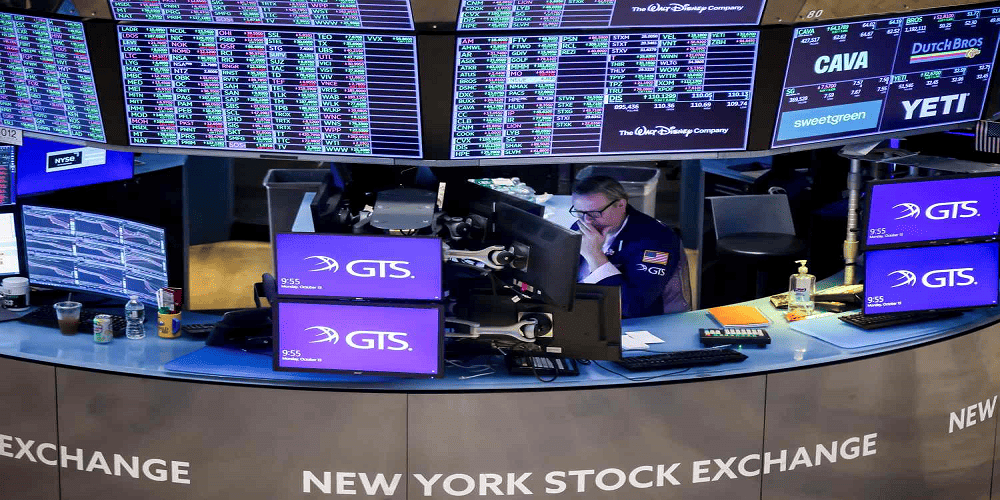
The phrase dow jones stock markets is widely used by investors, financial analysts, and news outlets to describe the performance, sentiment, and direction of the U.S. equity landscape. Whether you are a beginner trying to understand market movements or an experienced trader monitoring economic signals, understanding how the Dow Jones connects with broader stock markets is essential.
This comprehensive guide explains what the Dow Jones represents, how it influences global investing decisions, why it moves, and how investors can interpret its fluctuations.
Understanding the Dow Jones Stock Markets Concept
When people refer to dow jones stock markets, they are typically talking about the relationship between the Dow Jones Industrial Average (DJIA) and overall stock market activity. The Dow Jones is one of the oldest and most recognized stock market indices in the world.
Created in 1896 by Charles Dow, the index was designed to measure the performance of leading industrial companies in the United States. Today, it includes 30 large, publicly traded corporations representing various sectors of the economy.
Despite containing only 30 companies, the Dow Jones remains a key indicator of market confidence and economic strength.
What Does the Dow Jones Actually Measure?
The Dow Jones Industrial Average tracks price movements of its 30 component companies. Unlike many modern indices, the DJIA is price-weighted, meaning companies with higher share prices have more influence on index movement.
For example:
- A company with a stock price of ₹25,000 equivalent has more impact than one priced at ₹2,500.
- Market capitalization is not the weighting factor.
This methodology often sparks debate, but the Dow Jones still plays a central role in financial reporting.
Dow Jones vs Other Major Stock Market Indices
To fully grasp dow jones stock markets, it is important to compare the DJIA with other indices:
S&P 500
- Tracks 500 companies
- Market-cap weighted
- Considered a broader economic indicator
Nasdaq Composite
- Over 3,000 stocks
- Technology-focused
- Sensitive to growth sectors
While the Dow Jones captures blue-chip stability, the S&P 500 reflects broad market performance, and Nasdaq highlights innovation and tech growth.
Why Investors Watch Dow Jones Stock Markets Daily
Investors closely monitor dow jones stock markets because the index serves as a sentiment barometer.
Key Reasons:
- Market Direction Indicator
A rising Dow Jones often signals optimism. - Economic Confidence Gauge
Strong Dow performance can reflect positive economic expectations. - Global Impact
Movements influence Asian, European, and emerging markets. - Media Benchmark
Headlines frequently reference Dow gains or losses.
How Dow Jones Movements Affect Global Stock Markets
The Dow Jones is deeply connected to global financial systems. When sharp moves occur:
- Asian markets react the next trading day.
- European exchanges adjust in real time.
- Investor psychology shifts globally.
Because U.S. companies dominate global trade and finance, Dow Jones volatility can ripple across currencies, commodities, and bonds.
Major Factors Driving Dow Jones Stock Markets
Understanding dow jones stock markets requires analyzing what moves the index.
1. Economic Data Releases
Reports such as GDP, inflation, and employment figures can trigger large swings.
2. Interest Rate Decisions
Announcements by the Federal Reserve heavily influence investor expectations.
3. Corporate Earnings
Strong or weak results from Dow components shift the index.
4. Geopolitical Events
Wars, elections, and policy changes affect market risk perception.
5. Investor Sentiment
Fear and greed cycles drive short-term volatility.
Bull Markets vs Bear Markets in Dow Jones Stock Markets
Bull Market
- Sustained upward movement
- Economic expansion
- High investor confidence
Bear Market
- Prolonged decline (typically 20%+ drop)
- Economic slowdown
- Increased uncertainty
The Dow Jones often becomes a reference point when defining these phases.
Historical Crashes and Recoveries
Dow Jones history includes dramatic episodes:
- The Great Depression collapse
- The 1987 Black Monday crash
- The 2008 financial crisis
- The 2020 pandemic shock
Each downturn was followed by recovery, reinforcing the long-term resilience of equity markets.
Common Misconceptions About Dow Jones Stock Markets
“Dow Jones Represents the Entire Market”
Not entirely. It reflects large established firms, not small or mid-cap companies.
“Dow Points Equal Percentage Change”
A 500-point drop may sound alarming, but percentage change matters more.
“Dow Alone Predicts Economy”
It is an indicator, not a guarantee.
How Beginners Should Interpret Dow Jones Stock Markets
For new investors:
- Focus on percentage moves, not points.
- Avoid emotional reactions to daily swings.
- Use Dow trends alongside other indicators.
- Think long-term rather than day-to-day noise.
Trading Strategies Linked to Dow Jones Stock Markets
Long-Term Investing
Investors use Dow trends to identify entry opportunities.
Short-Term Trading
Traders exploit volatility using derivatives and ETFs.
Diversification
Dow performance helps assess portfolio balance.
Role of Wall Street in Dow Jones Stock Markets
The term Wall Street symbolizes U.S. financial markets. Dow Jones activity is often described as “Wall Street rallying” or “Wall Street tumbling.”
Dow Jones and Investor Psychology
Market movements are heavily influenced by psychology:
- Fear during downturns
- Euphoria in rallies
- Herd behavior
- Overreaction cycles
Understanding emotional drivers helps investors avoid costly mistakes.
Importance of Diversification Beyond Dow Jones
While tracking dow jones stock markets is useful, portfolios should include:
- Broader indices
- International exposure
- Bonds
- Alternative assets
Dow Jones in the Digital Age
Technology has transformed market participation:
- Real-time data
- Mobile trading apps
- Algorithmic trading
- Retail investor surge
Dow movements now spread instantly across global networks.
Risks Associated with Dow Jones Stock Markets
Investors must recognize:
- Market volatility
- Economic downturns
- Sector rotations
- Unexpected shocks
Risk management remains critical.
Long-Term Outlook of Dow Jones Stock Markets
Historically, equity markets trend upward over decades due to:
- Economic growth
- Innovation
- Productivity gains
- Corporate expansion
Patience often rewards disciplined investors.
FAQs About Dow Jones Stock Markets
What is meant by dow jones stock markets?
It refers to discussions about the Dow Jones Industrial Average and its relationship with overall stock market performance.
Why is the Dow Jones important?
It is a globally recognized benchmark reflecting blue-chip corporate health and investor sentiment.
How many companies are in the Dow Jones?
Thirty major U.S. corporations.
Does Dow Jones affect Indian markets?
Yes. U.S. market movements influence global investor behavior, including India.
What causes Dow Jones to rise or fall?
Economic data, interest rates, earnings, geopolitical events, and sentiment.
Is Dow Jones better than S&P 500?
Neither is “better.” They serve different analytical purposes.
Can beginners invest based on Dow Jones trends?
Yes, but long-term strategy and diversification are essential.
What is a Dow Jones crash?
A sharp, rapid decline often triggered by economic or financial shocks.
Should investors panic when Dow drops?
Not necessarily. Context and long-term perspective matter.
How often does Dow Jones update?
Continuously during U.S. trading hours.
Final Thoughts
Understanding dow jones stock markets is fundamental for anyone interested in investing, trading, or financial awareness. While the Dow Jones Industrial Average is not a perfect representation of the entire economy, it remains one of the most influential indicators of market sentiment.
Leave A Comment
0 Comment