
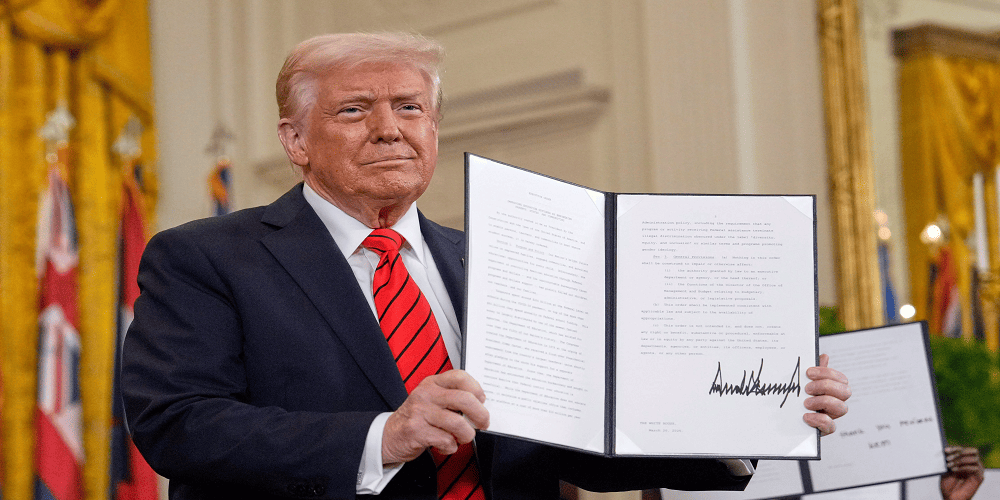
The topic trump department of education has remained a major point of discussion in American politics, education policy debates, and public discourse. During Donald Trump’s presidency, education became a battleground for ideological differences, federal versus state authority, school choice, and student loan reforms. Understanding how Trump approached the Department of Education helps explain broader changes in the U.S. education system and why these policies still influence discussions today.
This article explores the Trump Department of Education, its leadership, key policies, controversies, achievements, criticisms, and the long-term impact on students, teachers, schools, and higher education institutions.
Understanding the Role of the U.S. Department of Education
Before analyzing the Trump Department of Education, it is important to understand what the department does. The U.S. Department of Education is responsible for:
- Enforcing federal education laws
- Administering student financial aid programs
- Ensuring equal access to education
- Collecting data on schools and education outcomes
- Protecting students’ civil rights
While education in the U.S. is largely controlled by states and local governments, the federal department plays a significant role in funding, regulation, and oversight.
Trump’s Vision for the Department of Education
The trump department of education was shaped by Donald Trump’s broader political philosophy. Trump consistently advocated for:
- Reduced federal control
- Greater state and local authority
- Expansion of school choice
- Support for private and charter schools
- Deregulation of education policies
Trump argued that federal involvement in education had grown too large and inefficient. His administration aimed to shrink the department’s influence while redirecting funds and authority back to states and families.
Betsy DeVos and Her Role in the Trump Department of Education
A defining feature of the Trump Department of Education was the appointment of Betsy DeVos as Secretary of Education. DeVos was one of the most controversial education secretaries in U.S. history.
Background of Betsy DeVos
Betsy DeVos was a long-time advocate of school choice, charter schools, and voucher programs. Prior to her appointment, she had limited experience in public education administration, which led to intense scrutiny during her Senate confirmation process.
DeVos’s Influence on Education Policy
Under DeVos, the Trump Department of Education focused heavily on:
- Expanding school choice initiatives
- Supporting charter and private schools
- Reducing Obama-era regulations
- Revising Title IX rules
- Changing student loan oversight
Her leadership defined the department’s priorities throughout Trump’s presidency.
School Choice as a Core Policy
One of the most prominent pillars of the trump department of education was school choice. Trump and DeVos argued that families should have the freedom to choose the best educational environment for their children.
What School Choice Means
School choice policies allow public education funds to be used for:
- Charter schools
- Private schools
- Religious schools
- Homeschooling programs
Trump believed competition would improve education quality and empower parents.
Support for Charter Schools
The Trump Department of Education expanded funding for charter schools, especially in underserved communities. Supporters argued that charters offered innovative teaching methods and alternatives to failing public schools.
Criticism of School Choice Policies
Critics argued that school choice:
- Diverted funds from public schools
- Increased inequality
- Lacked sufficient oversight
- Benefited private institutions over public education
These criticisms fueled ongoing debates about the Trump Department of Education’s priorities.
Federal Funding and Budget Proposals
Another major focus of the Trump Department of Education was reducing federal spending.
Proposed Budget Cuts
Trump’s budgets frequently proposed cuts to:
- Public school funding
- Teacher training programs
- After-school programs
- Special education grants
While many of these cuts were blocked or reduced by Congress, the proposals reflected Trump’s desire to limit federal involvement.
Emphasis on State Control
The administration argued that states could manage education funding more efficiently without federal mandates. This philosophy shaped many policy decisions under the Trump Department of Education.
Higher Education and Student Loan Policies
The trump department of education also introduced significant changes in higher education policy.
Student Loan Oversight
Trump’s administration rolled back several Obama-era student loan regulations. These changes affected:
- Loan forgiveness programs
- Oversight of loan servicers
- Borrower defense rules
Supporters argued the reforms reduced unnecessary regulation, while critics claimed they weakened protections for students.
For-Profit Colleges
The Trump Department of Education reduced restrictions on for-profit colleges, allowing them greater access to federal funding. This move was controversial due to past concerns about fraud and poor student outcomes.
Title IX and Campus Sexual Misconduct Policies
One of the most debated actions of the Trump Department of Education involved changes to Title IX regulations.
Revising Title IX Rules
The administration introduced new rules that:
- Strengthened due process protections for the accused
- Required live hearings with cross-examination
- Changed the definition of sexual harassment
Support and Opposition
Supporters believed these changes protected fairness and constitutional rights. Opponents argued they discouraged victims from reporting misconduct and weakened protections for survivors.
Civil Rights Enforcement Under Trump
Civil rights enforcement was another area where the trump department of education took a different approach from previous administrations.
Shift in Priorities
The department scaled back investigations related to:
- Racial disparities in school discipline
- Transgender student protections
- Systemic discrimination claims
The administration emphasized individual complaints rather than broad investigations.
Impact on Students
This shift sparked concerns among advocacy groups, who feared reduced protection for vulnerable students.
Teacher Policies and Workforce Issues
The Trump Department of Education did not prioritize national teacher initiatives as much as previous administrations.
Teacher Unions
Trump often criticized teacher unions, arguing they prioritized politics over student outcomes. His administration supported policies that limited union influence in education reform.
Teacher Training Programs
Federal teacher training grants were targeted for cuts, reflecting the administration’s preference for state-driven solutions.
COVID-19 and the Department of Education
The final year of Trump’s presidency was dominated by the COVID-19 pandemic.
School Reopenings
The Trump Department of Education strongly advocated for reopening schools, arguing that prolonged closures harmed students academically and emotionally.
Federal Guidance
The department issued guidance encouraging in-person learning and criticized states that kept schools closed for extended periods.
Public Reaction to the Trump Department of Education
Public opinion on the trump department of education was deeply divided.
Supporters’ Views
Supporters believed the administration:
- Reduced federal overreach
- Empowered parents
- Promoted educational freedom
- Encouraged competition and innovation
Critics’ Views
Critics argued the department:
- Undermined public education
- Increased inequality
- Reduced student protections
- Favored private interests
These opposing views continue to shape education debates today.
Long-Term Impact of Trump’s Education Policies
The influence of the Trump Department of Education extends beyond his presidency.
Policy Legacy
Many policies introduced under Trump:
- Shaped ongoing school choice debates
- Influenced Title IX enforcement
- Altered student loan oversight
- Reframed federal education priorities
Future Administrations
Subsequent administrations have reversed or modified several Trump-era policies, but the core debates remain unresolved.
Trump’s Statements on Eliminating the Department of Education
Trump repeatedly expressed interest in eliminating the Department of Education altogether.
Rationale Behind the Proposal
Trump argued that education should be entirely managed by states, claiming the federal department was inefficient and unnecessary.
Political Reality
While the department was never eliminated, these statements highlighted Trump’s philosophy and fueled national discussion on the role of federal government in education.
Education Policy as a Political Issue
The trump department of education became a symbol of broader ideological divides in the U.S.
- Federal control vs. states’ rights
- Public education vs. private alternatives
- Regulation vs. deregulation
These issues continue to influence elections and policy platforms.
Comparing Trump’s Education Policies to Previous Administrations
Compared to earlier administrations, the Trump Department of Education:
- Reduced regulatory oversight
- Emphasized school choice more aggressively
- Limited civil rights investigations
- Favored market-driven education solutions
This marked a clear departure from policies under Presidents Obama and Bush.
Conclusion
The trump department of education represented a significant shift in how the federal government approached education policy. Through reduced regulation, strong support for school choice, controversial leadership, and a focus on state control, Trump reshaped the Department of Education’s priorities.
While supporters praised these changes as empowering parents and improving efficiency, critics warned of long-term harm to public education and student protections. Regardless of political perspective, the Trump Department of Education left a lasting imprint on the U.S. education system and continues to influence national debates.
FAQs: Trump Department of Education
What was Trump’s main goal for the Department of Education?
Trump’s primary goal was to reduce federal control over education and shift authority to states, local governments, and parents through school choice initiatives.
Who led the Trump Department of Education?
Betsy DeVos served as Secretary of Education during Trump’s presidency and played a central role in shaping education policy.
Did Trump try to eliminate the Department of Education?
Trump repeatedly suggested eliminating the department, but it was never abolished due to political and legal constraints.
How did the Trump Department of Education impact public schools?
The administration proposed budget cuts and promoted alternatives like charter and private schools, which critics argued weakened public education funding.
What changes were made to student loans under Trump?
The Trump Department of Education rolled back several borrower protections and reduced oversight of loan servicers and for-profit colleges.
How did Trump’s education policies affect civil rights?
The department reduced the scope of civil rights investigations and revised Title IX rules, sparking debate over student protections.
Are Trump’s education policies still in effect?
Some policies have been reversed or modified by later administrations, but many debates initiated under Trump continue today.
Leave A Comment
0 Comment