
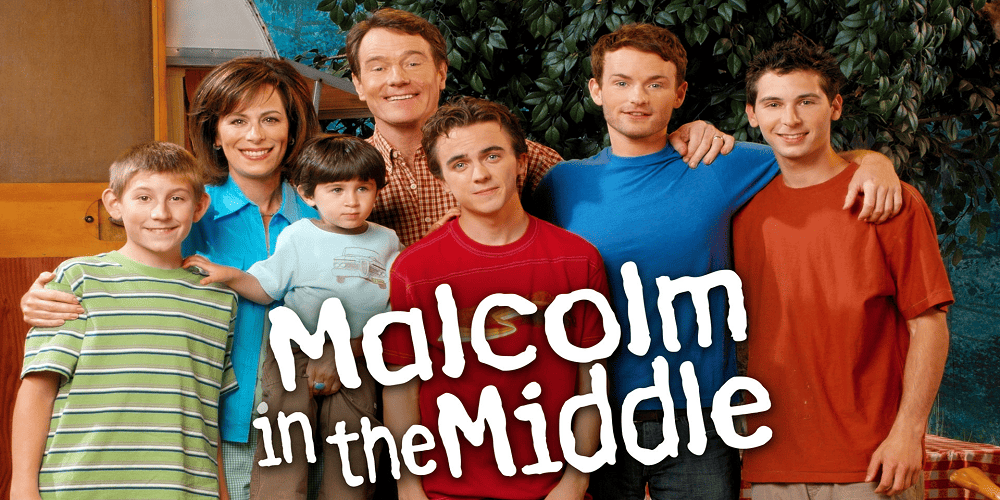
When people talk about television shows that truly broke the mold, Malcolm in the Middle is always part of the conversation. The series was loud, chaotic, intelligent, and emotional all at once. It didn’t rely on laugh tracks, fancy sets, or glamorous lifestyles. Instead, it focused on a struggling middle-class family, messy homes, sibling rivalries, and the everyday frustrations of growing up. This honest approach helped Malcolm in the Middle become one of the most influential sitcoms of its time.
Premiering at the turn of the millennium, the show arrived when television comedy was ready for something different. Viewers were tired of predictable jokes and perfect families. What they got instead was a genius child stuck in a dysfunctional household, parents who were overwhelmed but real, and brothers who fought constantly yet loved each other deeply. Over the years, Malcolm in the Middle evolved from a simple family comedy into a cultural landmark.
This article explores the origins, characters, themes, success, and lasting legacy of Malcolm in the Middle, explaining why it still resonates with audiences today.
The Origin and Concept of Malcolm in the Middle
Malcolm in the Middle was created by Linwood Boomer, who drew inspiration from his own childhood experiences. The core idea was simple yet powerful: what if a sitcom showed family life exactly as it felt, not how it was supposed to look? The result was a brutally honest portrayal of parenting, childhood stress, financial struggles, and emotional chaos.
Unlike traditional sitcoms, Malcolm in the Middle had no studio audience and no laugh track. This allowed the humor to feel natural and sometimes uncomfortable, just like real life. The show also introduced a unique storytelling method where Malcolm frequently broke the fourth wall, speaking directly to the audience. This technique made viewers feel like insiders, sharing Malcolm’s thoughts, fears, and frustrations.
From the very beginning, Malcolm in the Middle stood out as something new. It wasn’t just a comedy; it was a reflection of modern family life.
Malcolm: The Genius at the Center
At the heart of Malcolm in the Middle is Malcolm himself, a child prodigy with an IQ far above average. While his intelligence sets him apart academically, it also isolates him socially and emotionally. Malcolm is painfully aware of his differences, and this awareness fuels much of the show’s humor and depth.
Malcolm’s character is unique because he is not portrayed as a perfect genius. He is selfish, insecure, arrogant, and often overwhelmed by his own thoughts. Malcolm in the Middle uses his intelligence not as a superpower, but as a burden. He understands the world too well for his age, which leads to frustration and anxiety.
This realistic portrayal of gifted children helped many viewers relate to Malcolm, whether they were academically advanced or simply felt out of place in their families or schools.
The Wilkerson Family Dynamic
The family in Malcolm in the Middle is the opposite of polished television households. They are loud, poor, disorganized, and constantly stressed. Yet, beneath the chaos lies genuine love and loyalty.
Lois: The Fierce Mother
Lois, the mother, is one of the most memorable characters in Malcolm in the Middle. She is strict, controlling, and often terrifying, but her behavior comes from deep concern for her children’s futures. Lois understands that the world is unfair, and she believes discipline is the only way to prepare her sons for survival.
What makes Lois special is that the show never simplifies her character. She is not just an angry parent; she is a woman dealing with exhaustion, financial pressure, and emotional burnout. Malcolm in the Middle portrays motherhood with honesty, showing both its sacrifices and frustrations.
Hal: The Childlike Father
Hal, the father, provides a perfect contrast to Lois. He is impulsive, emotional, and often irresponsible. While Lois represents structure, Hal represents freedom and chaos. His childlike nature allows him to bond with his sons in ways Lois cannot.
In Malcolm in the Middle, Hal’s character shows that parenting doesn’t always mean being perfect. Sometimes, love and presence matter more than rules and authority.
The Brothers: Chaos and Comedy
The siblings play a massive role in shaping the identity of Malcolm in the Middle. Each brother represents a different personality, creating endless conflict and humor.
Francis, the eldest, rebels against authority and spends much of the series away from home. Reese is aggressive, impulsive, and surprisingly skilled in physical tasks. Dewey, the younger brother, is emotionally intelligent, creative, and often underestimated.
These siblings create a realistic portrayal of brotherhood. They fight constantly, betray each other, and cause chaos, but when it truly matters, they stand together. Malcolm in the Middle captures sibling relationships in a way few shows ever have.
Humor Style and Storytelling
The humor in Malcolm in the Middle is layered and intelligent. It works on multiple levels, appealing to both children and adults. Physical comedy, sharp dialogue, satire, and emotional irony all coexist within the show.
One of the most effective storytelling tools is Malcolm’s direct address to the audience. This narrative device breaks traditional sitcom rules and gives the show a fresh, modern feel. Malcolm in the Middle trusts its viewers to understand subtle humor and emotional nuance.
The pacing is fast, the jokes are dense, and the situations often escalate into complete chaos. This controlled madness is a defining trait of Malcolm in the Middle.
Themes Explored in Malcolm in the Middle
Beyond comedy, Malcolm in the Middle explores deep and meaningful themes that contribute to its lasting relevance.
Intelligence and Pressure
The show examines the pressure placed on intelligent children and the expectations society attaches to academic success. Malcolm’s struggles highlight how intelligence can become a source of stress rather than freedom.
Economic Struggles
Unlike many sitcoms, Malcolm in the Middle openly addresses financial hardship. The family worries about bills, broken appliances, and job insecurity. These struggles add realism and emotional weight to the comedy.
Growing Up and Identity
Every character in Malcolm in the Middle undergoes growth and change. The show captures the confusion of adolescence, the fear of adulthood, and the difficulty of finding one’s place in the world.
Cultural Impact and Popularity
When Malcolm in the Middle aired, it changed the landscape of television comedy. It proved that sitcoms didn’t need laugh tracks or idealized families to succeed. Its success paved the way for future single-camera comedies that focused on realism and character-driven humor.
The show received critical acclaim and numerous awards, further cementing its place in television history. Over time, Malcolm in the Middle developed a dedicated fan base that continues to grow through reruns and streaming platforms.
Why Malcolm in the Middle Still Matters Today
Even years after its finale, Malcolm in the Middle remains relevant. Modern audiences still relate to its themes of stress, inequality, family conflict, and self-discovery. The humor feels timeless because it is rooted in human behavior rather than trends.
Parents see themselves in Lois and Hal. Teenagers relate to Malcolm’s frustration. Siblings recognize their own relationships in the chaotic bond between the brothers. Malcolm in the Middle speaks to universal experiences that never go out of date.
The Legacy of Malcolm in the Middle
The legacy of Malcolm in the Middle extends beyond ratings and awards. It reshaped how sitcoms are written, filmed, and perceived. It showed that comedy could be smart, emotional, and brutally honest at the same time.
Actors from the show went on to successful careers, and the series continues to inspire writers and creators. Its influence is visible in many modern television comedies that prioritize realism and character depth.
Frequently Asked Questions (FAQs)
What is Malcolm in the Middle about?
Malcolm in the Middle is a family sitcom that follows a gifted boy named Malcolm and his dysfunctional middle-class family as they navigate everyday life, school, and personal challenges.
Why is Malcolm in the Middle considered unique?
The show is unique because it uses a single-camera format, avoids laugh tracks, breaks the fourth wall, and portrays family life in a realistic and often chaotic way.
Is Malcolm in the Middle suitable for all ages?
While Malcolm in the Middle is family-focused, some humor and themes are more relatable to teenagers and adults due to its realistic portrayal of stress and conflict.
What makes the characters in Malcolm in the Middle memorable?
Each character in Malcolm in the Middle is deeply flawed yet relatable, making them feel real rather than idealized television stereotypes.
Why is Malcolm in the Middle still popular today?
The show remains popular because its themes are timeless, its humor is intelligent, and its characters reflect real-life experiences that audiences continue to relate to.
Final Thoughts
Malcolm in the Middle is more than just a sitcom; it is a reflection of real life wrapped in comedy. Its honest portrayal of family struggles, intelligence, and growing up has earned it a permanent place in television history. By refusing to follow traditional sitcom rules, Malcolm in the Middle created something bold, relatable, and unforgettable.
Whether you are watching it for the first time or revisiting it years later, Malcolm in the Middle continues to prove that the messiest families often tell the most meaningful stories.
Leave A Comment
0 Comment