
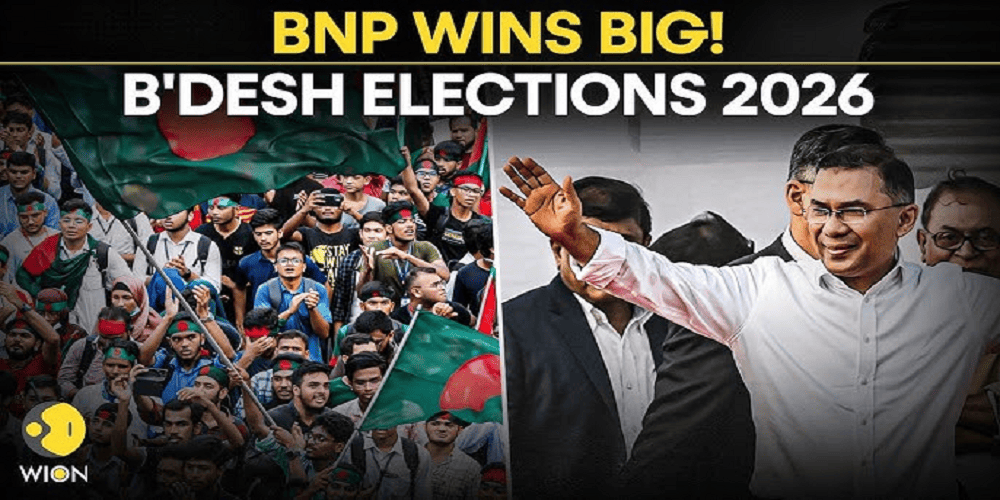
The Bangladesh election 2026 is poised to be one of the most watched and consequential political events in South Asia. As the national general election approaches, political parties, civil society, voters, observers, and the international community are preparing for a complex and highly competitive contest. The election will determine the composition of the Jatiya Sangsad (National Parliament) and, by extension, the leadership and direction of Bangladesh for the next five years. With a dynamic political history, evolving democratic practices, emerging economic challenges, and rising demands from a youthful population, the Bangladesh election 2026 carries enormous implications for governance, stability, and development.
This article offers an in-depth exploration of the Bangladesh election 2026, covering historical background, key political actors, electoral processes, major issues at stake, voter expectations, the role of institutional bodies, domestic and international concerns, and possible future scenarios. It also provides answers to frequently asked questions related to the Bangladesh election 2026.
Historical Context: Democracy and Elections in Bangladesh
To understand the significance of the Bangladesh election 2026, it is important to review the country’s democratic trajectory. Bangladesh gained independence in 1971 and since then has experienced alternating periods of democratic governance, military rule, and political instability. Regular elections have been held since the restoration of democracy in the 1990s, though not without controversy. The first general election following independence took place in 1973, and subsequent elections in 1979, 1986, 1991, 1996, 2001, 2008, 2014, and 2018 have shaped the political landscape.
The Bangladesh election 2018 resulted in a landslide victory for the ruling Awami League, led by Prime Minister Sheikh Hasina. That election, held amid opposition boycotts and allegations of irregularities, raised debates about the credibility of elections and the fairness of the political environment. Many stakeholders have since been calling for reforms to strengthen the electoral process.
As the country approaches the Bangladesh election 2026, many political actors and civil society groups are urging greater transparency, fairness, and inclusivity. The historical patterns of political competition, rivalry between major parties, and concerns about electoral integrity have made the Bangladesh election 2026 a topic of intense discussion.
The Political Landscape Ahead of the Bangladesh Election 2026
The political environment in the run-up to the Bangladesh election 2026 is defined by several major parties, alliances, and emerging movements. The two dominant political forces in Bangladesh have traditionally been the Awami League and the Bangladesh Nationalist Party (BNP). However, other parties and alliances play important roles, especially in shaping public discourse and regional dynamics.
Awami League
The Awami League, led by Sheikh Hasina, has been in power for several consecutive terms. Under her leadership, Bangladesh has experienced significant economic growth, infrastructure development, and a stronger profile on the global stage. Supporters of the Awami League point to impressive achievements in education, digitalization, and economic expansion.
As the Bangladesh election 2026 nears, the Awami League is expected to campaign on its track record of stability and development. The party’s electoral strategy may emphasize continuity, reform agendas, and national pride. Yet even within its support base, there are questions about governance challenges, rising costs of living, and social demands that remain unmet.
Bangladesh Nationalist Party (BNP)
The BNP, traditionally the leading opposition party, has faced significant organizational challenges in recent years. Leadership troubles, legal issues facing top leaders, and challenges with mobilization have been factors affecting the party’s position. Despite these obstacles, the BNP remains a central player in Bangladesh’s political dynamics, and the Bangladesh election 2026 presents an opportunity for the party to reassert itself.
Supporters of the BNP are calling for electoral reforms, accountability measures, and a more competitive political environment. The party’s campaign strategy is likely to focus on criticisms of the current government and pledges to address economic grievances, governance issues, and perceived constraints on political freedom.
Other Political Forces
Though the Awami League and BNP are the largest parties, others such as the Jatiya Party, smaller regional parties, and newly formed political coalitions may influence election outcomes, especially in local constituencies. Coalitions and alliances will be critical to the Bangladesh election 2026, as they could determine how parliamentary seats are distributed.
Emerging political movements, youth organizations, and civil society groups are also attempting to shape the conversation ahead of the Bangladesh election 2026. Many of these groups are advocating for issues such as environmental governance, job creation, technological innovation, and human rights.
Key Issues Shaping the Bangladesh Election 2026
Several major issues are expected to influence voter sentiment and campaign priorities in the Bangladesh election 2026. These issues reflect the evolving aspirations of Bangladeshi society and the challenges the country faces in the 21st century.
Economic Growth and Job Creation
Bangladesh has achieved steady economic growth over the past decade, with sustained increases in GDP, export earnings, and infrastructure investment. However, rapid demographic change and a growing labor force have made job creation a critical priority. Youth unemployment, underemployment, and the informal labor sector remain persistent concerns.
In the Bangladesh election 2026, political parties will need to present clear and credible economic agendas that address employment, entrepreneurship, industrial diversification, and skills development. Voters are keen to see plans that translate economic indicators into real opportunities for sustainable livelihoods.
Cost of Living and Social Welfare
The rising cost of living, inflationary pressures, and access to essential services such as healthcare and education have emerged as central issues for many households. The ability of any government to manage economic stability and protect vulnerable populations will be under scrutiny in the Bangladesh election 2026.
Political platforms are likely to include proposals for social safety nets, targeted subsidies, healthcare reforms, and improved access to quality education. These issues resonate deeply with voters who aspire for better standards of living and equitable opportunities.
Good Governance and Transparency
Concerns about corruption, accountability, and transparency have been part of Bangladesh’s political discourse for decades. Ahead of the Bangladesh election 2026, civil society organizations and voters alike are expressing demands for stronger governance reforms. Transparency in public procurement, judicial independence, and anti-corruption measures are expected to be key elements of campaign debates.
Parties will need to articulate how they plan to strengthen institutional integrity, enforce ethical governance, and ensure public trust. Voters may weigh these commitments heavily in their electoral choices.
Electoral Integrity and Fair Process
Given the controversies surrounding past elections, electoral integrity is at the forefront of discussions about the Bangladesh election 2026. Political parties, international observers, and advocacy groups are calling for reforms to the electoral system to ensure free, fair, and credible elections.
Reforms being discussed include modernization of voter lists, greater independence for the election commission, more robust monitoring mechanisms, and improved transparency in campaign financing. How these reform proposals are accepted and implemented will be closely watched and could shape the overall perception of legitimacy for the Bangladesh election 2026.
Youth Expectations and Technological Change
With a large proportion of Bangladesh’s population under the age of 35, youth issues are gaining prominence ahead of the Bangladesh election 2026. Young voters are more connected, informed, and vocal through social media and digital platforms. They seek quality education, digital infrastructure, employment in emerging industries, and inclusive political participation.
Political campaigns are expected to target youth with tailored platforms addressing innovation ecosystems, startups, digital skills training, and opportunities for leadership. The degree to which parties can connect with young voters may be a decisive factor in the Bangladesh election 2026.
Foreign Policy and Regional Dynamics
Bangladesh’s foreign policy orientation and regional relationships will also feature in discussions around the Bangladesh election 2026. Strategic ties with neighboring countries, engagement with global powers, and participation in regional forums have implications for trade, security, and development cooperation.
As geopolitical rivalries evolve and economic partnerships deepen, how the next government plans to navigate foreign policy will be of interest to policymakers and voters. Issues such as trade agreements, climate diplomacy, and migration agreements may feature in the broader narrative of the Bangladesh election 2026.
Institutional Roles and Electoral Process
The election machinery in Bangladesh is anchored by constitutional frameworks and institutional bodies responsible for conducting elections. The most significant among them is the Election Commission of Bangladesh, which is tasked with organizing national elections, maintaining voter rolls, enforcing regulations, and ensuring compliance with electoral laws.
In the run-up to the Bangladesh election 2026, the role of the Election Commission will be under scrutiny. Observers and political actors are advocating for measures that reinforce the commission’s autonomy, professionalism, and neutrality. Enhancing the capacity of election officials, deploying technology for transparency, and enabling independent monitoring are seen as essential steps.
Other institutions such as the judiciary, the anti-corruption body, and security forces will also play roles in supporting an environment conducive to peaceful and credible elections. Respect for legal procedures, access to justice for electoral disputes, and protection of civic space are critical for democratic integrity in the Bangladesh election 2026.
Public Sentiment and Grassroots Mobilization
Public sentiment ahead of the Bangladesh election 2026 reflects a combination of optimism, frustration, and aspirations for better governance. Grassroots mobilization has increased, with local communities organizing dialogues on key issues, civic education campaigns encouraging voter participation, and advocacy for inclusive citizenship.
Campaign rallies, digital outreach, youth forums, and debates are becoming more widespread as the Bangladesh election 2026 draws closer. While some segments of society express caution about polarization and conflict, others see the election as an opportunity for renewal and progress.
Frequently Asked Questions (FAQs) about Bangladesh Election 2026
1. What is the Bangladesh election 2026?
The Bangladesh election 2026 refers to the national general election scheduled to be held in Bangladesh to elect members of the Jatiya Sangsad (National Parliament). This election will determine the next government and leadership of the country for a five-year term.
2. When will the Bangladesh election 2026 take place?
The exact date of the Bangladesh election 2026 has not been formally announced, but it is constitutionally required to be held within five years of the previous parliamentary session. Preparations and announcements by the Election Commission are expected in advance of the official date.
3. Who are the major political parties contesting the Bangladesh election 2026?
The major political parties expected to contest the Bangladesh election 2026 include the Awami League, the Bangladesh Nationalist Party (BNP), the Jatiya Party, and various smaller regional parties and alliances.
4. What are the key issues in the Bangladesh election 2026?
Major issues in the Bangladesh election 2026 include economic growth and job creation, cost of living and social welfare, good governance, electoral integrity, youth engagement, and Bangladesh’s regional and foreign policy direction.
5. How can voters participate in the Bangladesh election 2026?
Eligible voters can participate in the Bangladesh election 2026 by registering on the electoral rolls, verifying their voter information, and casting their ballots at designated polling stations on election day. Voter education campaigns aim to increase voter turnout and informed participation.
6. What reforms are being discussed ahead of the Bangladesh election 2026?
Reforms being discussed in connection with the Bangladesh election 2026 include improving voter list accuracy, strengthening the independence of the Election Commission, ensuring transparency in campaign financing, and expanding mechanisms for monitoring and accountability.
7. Will international observers be present in the Bangladesh election 2026?
Although official invitations and arrangements are determined closer to the election, international observers and monitoring missions are often invited or allowed to observe electoral processes in Bangladesh to enhance credibility and transparency for events such as the Bangladesh election 2026.
8. How important is youth participation in the Bangladesh election 2026?
Youth participation is highly important in the Bangladesh election 2026 due to the large proportion of young voters and their increasing engagement through digital platforms. Youth priorities such as employment, education, innovation, and civic rights are expected to influence electoral outcomes.
9. What challenges might affect the Bangladesh election 2026?
Challenges for the Bangladesh election 2026 may include political polarization, administrative hurdles, disputes over electoral lists, concerns about freedom of assembly or expression, and managing peaceful conduct of campaigns and polling.
10. Why is the Bangladesh election 2026 significant for the country’s future?
The Bangladesh election 2026 is significant because it will choose the leadership responsible for addressing critical challenges such as economic transformation, governance reforms, social equity, and Bangladesh’s role in the global community. The outcomes of this election will shape national priorities and policies for years to come.
The Bangladesh election 2026 stands as a pivotal moment in the nation’s democratic journey. As Bangladesh prepares to embark on this electoral process, citizens, leaders, and observers alike are focused on ensuring that the election reflects the aspirations of the people and strengthens the foundations of representative governance. The road to the Bangladesh election 2026 will be marked by dynamic political engagement, spirited debate, and a shared hope for a future defined by progress, stability, and democratic vitality.
Leave A Comment
0 Comment