
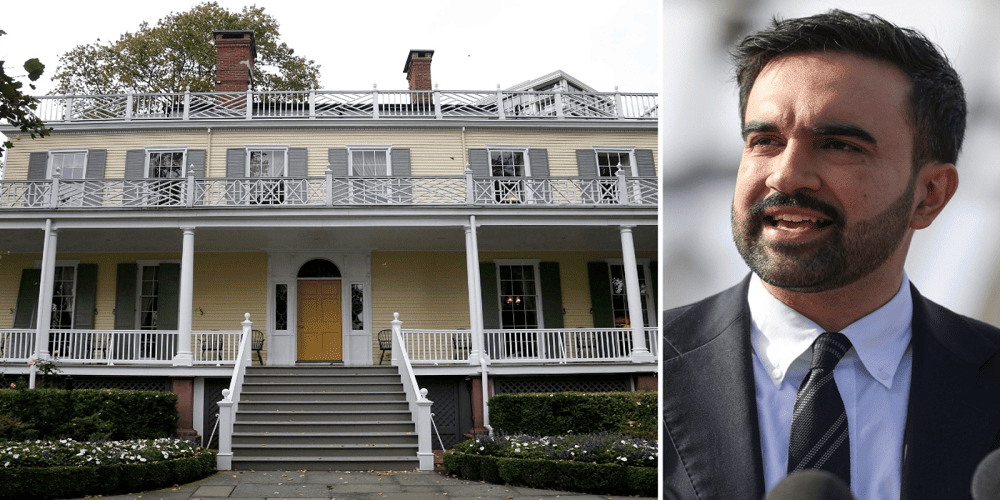
Gracie Mansion is one of New York City’s most iconic historic landmarks, known today as the official residence of the Mayor of New York City. Located on the Upper East Side of Manhattan, overlooking the East River, Gracie Mansion represents centuries of American history, political evolution, architectural beauty, and civic pride. From its origins as a private country house to its current role in modern governance, Gracie Mansion has remained a symbol of continuity in a constantly changing city.
This article explores Gracie Mansion in depth, covering its origins, architectural significance, historical events, restoration efforts, public access, and its cultural and political importance. Whether you are a history enthusiast, architecture lover, or simply curious about New York City landmarks, Gracie Mansion offers a fascinating story.
Introduction to Gracie Mansion
Gracie Mansion stands in Carl Schurz Park on Manhattan’s Upper East Side, facing the East River. Built in the late 18th century, it is one of the oldest surviving wooden structures in New York City. Today, Gracie Mansion serves as the official residence of the city’s mayor, hosting diplomatic meetings, cultural events, and ceremonial functions.
The significance of Gracie Mansion lies not only in its age but also in its ability to reflect the social, political, and architectural transitions of New York City over more than two centuries.
The Origins of Gracie Mansion
Who Built Gracie Mansion?
Gracie Mansion was built in 1799 by Archibald Gracie, a successful Scottish-born merchant who made his fortune in shipping and trade. At the time, Manhattan was still developing, and the Upper East Side was largely rural. Archibald Gracie constructed the house as a country retreat, far from the crowded streets of lower Manhattan.
The original structure of Gracie Mansion was a Federal-style villa, typical of elegant homes built by wealthy merchants during the post-Revolutionary War period. Its location near the East River allowed for easy access by boat, which was essential during that era.
Early Years as a Private Estate
During the early 19th century, Gracie Mansion was surrounded by farmland and open space. The house hosted prominent guests, including political leaders and business figures. The Gracie family owned the estate for several decades before selling it as New York City expanded northward.
Architectural Significance of Gracie Mansion
Federal-Style Design
Gracie Mansion is an excellent example of Federal-style architecture, characterized by symmetry, simplicity, and refined decorative elements. The original wooden structure has survived remarkably well, making it one of the few remaining examples of this architectural style in Manhattan.
Key architectural features of Gracie Mansion include:
- Balanced proportions and clean lines
- Large sash windows allowing natural light
- Elegant interior woodwork and moldings
- A simple yet dignified exterior façade
Despite multiple renovations over the years, great care has been taken to preserve the historic character of Gracie Mansion.
Expansions and Modifications
Over time, Gracie Mansion underwent several expansions to accommodate new functions. When it became the mayoral residence, additional rooms were added for official events, security, and administrative purposes. These changes were carefully designed to blend with the original structure.
Gracie Mansion Becomes a Mayoral Residence
The Transition to Public Ownership
In 1896, the City of New York acquired Gracie Mansion as part of the development of Carl Schurz Park. Initially, the building served various municipal purposes before officially becoming the mayor’s residence in 1942.
Mayor Fiorello La Guardia was the first mayor to live in Gracie Mansion. His decision to use the building as a residence helped preserve it and established its modern role in city governance.
Why Gracie Mansion Was Chosen
Gracie Mansion was selected as the official mayoral residence due to its historical importance, scenic location, and symbolic value. Positioned along the East River, it provided both privacy and prestige while remaining accessible to City Hall.
The Role of Gracie Mansion in New York City Politics
A Center for Civic Life
Gracie Mansion functions as more than just a home. It serves as a venue for:
- Diplomatic receptions
- Policy discussions
- Cultural celebrations
- Community outreach events
Mayors have used Gracie Mansion to host world leaders, business delegations, and local organizations, making it an important site for both local and international engagement.
Famous Mayors Who Lived at Gracie Mansion
Over the decades, many notable mayors have resided in Gracie Mansion, including:
- Fiorello La Guardia
- Robert F. Wagner Jr.
- Ed Koch
- Michael Bloomberg
- Bill de Blasio
Each mayor left a distinct mark on the mansion, shaping how it was used and maintained.
Restoration and Preservation Efforts
The Need for Restoration
By the late 20th century, Gracie Mansion required extensive restoration due to aging infrastructure and wear. Preservationists and city officials recognized the importance of maintaining its historical integrity while updating it for modern use.
The Gracie Mansion Restoration Project
In the early 2000s, a major restoration project was undertaken to:
- Repair structural elements
- Restore historic interiors
- Improve accessibility
- Upgrade security and utilities
This restoration ensured that Gracie Mansion remained both functional and historically accurate.
Gracie Mansion as a Museum and Cultural Space
Public Access and Tours
While Gracie Mansion is a private residence, portions of the building are open to the public through guided tours. These tours offer visitors a chance to explore the mansion’s history, architecture, and art collection.
The Art Collection at Gracie Mansion
Gracie Mansion houses an impressive collection of artwork, much of which reflects New York City’s cultural diversity. The collection includes paintings, sculptures, and decorative arts that represent various communities and historical periods.
Gracie Mansion and Carl Schurz Park
The Mansion’s Scenic Setting
Gracie Mansion is located within Carl Schurz Park, one of Manhattan’s most beautiful waterfront parks. The park provides green space, walking paths, and river views that enhance the mansion’s appeal.
Community Connection
The proximity of Gracie Mansion to public parkland symbolizes the connection between city leadership and the residents of New York. The park is frequently used for community events, reinforcing the civic role of the mansion.
Symbolism and Cultural Importance of Gracie Mansion
Gracie Mansion represents continuity in a city known for constant change. It stands as a reminder of New York’s colonial past, its rise as a global city, and its commitment to preserving history while embracing progress.
The mansion also reflects democratic values. Unlike royal palaces or presidential estates, Gracie Mansion remains closely integrated with public life, accessible through tours and community programs.
Gracie Mansion in Modern Times
Use in the 21st Century
Today, Gracie Mansion continues to function as the mayor’s official residence while adapting to contemporary needs. Modern security systems, sustainability efforts, and digital infrastructure have been integrated without compromising the building’s historic character.
Media and Public Perception
Gracie Mansion frequently appears in news coverage, documentaries, and educational programs. Its role in mayoral life often draws public interest, particularly during political transitions or major city events.
Interesting Facts About Gracie Mansion
Gracie Mansion is one of the few surviving wooden mansions from the 18th century in Manhattan.
It predates the construction of Central Park by more than 60 years.
The mansion has survived wars, economic depressions, and major urban development.
Gracie Mansion has hosted heads of state, artists, and civil rights leaders.
Future of Gracie Mansion
Preservation efforts continue to ensure that Gracie Mansion remains a vital part of New York City’s heritage. Ongoing maintenance, educational programs, and public engagement initiatives help keep the mansion relevant for future generations.
As New York City evolves, Gracie Mansion will continue to serve as a bridge between history and modern governance.
FAQs About Gracie Mansion
What is Gracie Mansion used for today?
Gracie Mansion is the official residence of the Mayor of New York City and is used for living quarters, official meetings, diplomatic events, and cultural gatherings.
Where is Gracie Mansion located?
Gracie Mansion is located in Carl Schurz Park on the Upper East Side of Manhattan, overlooking the East River.
When was Gracie Mansion built?
Gracie Mansion was built in 1799 by Archibald Gracie, making it one of the oldest surviving buildings in New York City.
Can the public visit Gracie Mansion?
Yes, parts of Gracie Mansion are open to the public through guided tours, which are typically scheduled in advance.
Why is Gracie Mansion historically important?
Gracie Mansion is historically important due to its age, architectural style, and role in New York City’s political and civic life.
Is Gracie Mansion a museum?
Gracie Mansion functions both as a residence and a cultural space. While not a full-time museum, it displays historical artifacts and artwork during tours.
Has Gracie Mansion been renovated?
Yes, Gracie Mansion has undergone several restorations to preserve its historic features while updating it for modern use.
Who owns Gracie Mansion?
Gracie Mansion is owned by the City of New York.
What architectural style is Gracie Mansion?
Gracie Mansion is primarily designed in the Federal architectural style, common in late 18th-century America.
Why is Gracie Mansion significant to New York City?
Gracie Mansion symbolizes the city’s history, leadership, and commitment to preserving important landmarks while serving modern civic functions.
Conclusion
Gracie Mansion stands as a powerful symbol of New York City’s past and present. From its beginnings as a merchant’s country home to its role as the mayor’s residence, Gracie Mansion reflects the evolution of the city itself. Its architectural beauty, historical significance, and civic importance make it one of the most remarkable landmarks in Manhattan.
Leave A Comment
0 Comment