
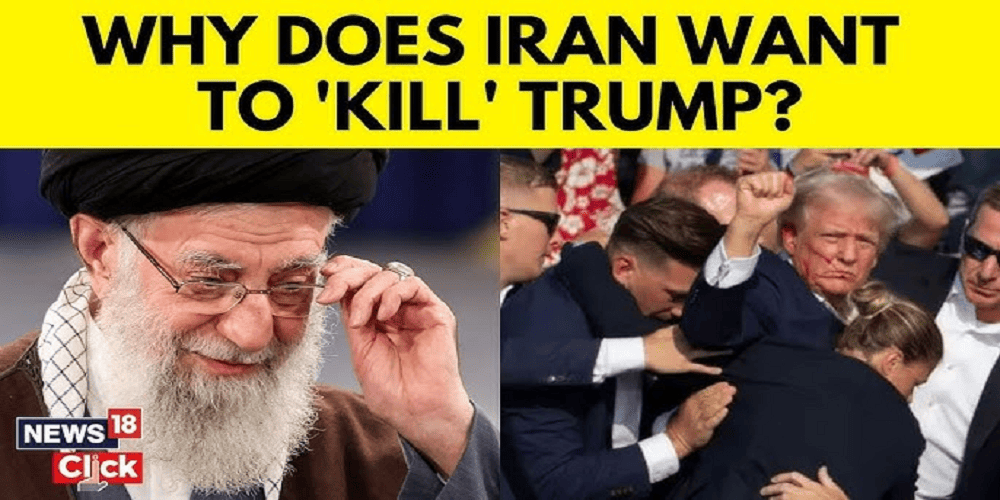
Recent developments in global geopolitics have seen the emergence of the phrase Iran assassination threat as a focal point of debate, media reporting, and diplomatic tension. This topic intersects with regional power rivalries, international law, intelligence operations, state-sponsored coercion, and evolving diplomatic relationships. Over the past several years, accusations of Iran being involved in, planning, condoning, or responding to assassination threats against foreign leaders, dissidents, and opponents have grown in prominence. Understanding what these threats entail, their historical context, and the geopolitical implications is essential for policymakers, scholars, the general public, and anyone tracking Middle Eastern stability.
This article unpacks what the Iran assassination threat means, examines noteworthy instances and allegations, and explores how these threats shape international relations and strategic calculations across the globe.
What Does the Term “Iran Assassination Threat” Mean?
At its core, the term Iran assassination threat refers to allegations or instances in which the Iranian government, its intelligence services, affiliated militias, or proxy groups are accused of planning, threatening, or purportedly facilitating the killing of specific individuals — be they political leaders, dissidents, journalists, or other targets. Such allegations often extend beyond Iran’s borders, involving foreign governments’ officials or exiles residing overseas.
Iran’s strategic posture, particularly since the 1979 Islamic Revolution, has been shaped by threats — real or perceived — from external powers. Tehran’s security doctrine emphasized deterrence, asymmetric responses, and power projection through allies. As a result, accusations of assassination plots, reprisals, or covert operations have periodically emerged in international discourse.
However, distinguishing between actual operations, strategic rhetoric, propaganda, misinformation, and misinterpretation of political signaling remains one of the most challenging aspects of unpacking the phrase Iran assassination threat.
Historical Background: Assassinations and Threats Involving Iran
Iran’s complex regional role and adversarial relationships with states such as the United States, Israel, and more recently, various European nations have given rise to numerous accusations and counteraccusations related to assassination plans and threats over decades.
Revolutionary Iran and the Use of Covert Operations
After the 1979 revolution, Iran adopted a foreign policy that used unconventional tools. The Islamic Revolutionary Guard Corps (IRGC), particularly its Quds Force unit, was formed to export Iran’s ideologies and to conduct operations abroad. In subsequent decades, much of Iran’s covert activities — whether support for militias in Lebanon, Iraq, or Yemen — were framed as strategic deterrence against hostile powers. In some cases, these activities allegedly included assassination plots.
Past Incidents: Iran and Political Killings
While Iran has not officially admitted to sanctioned assassinations abroad, allegations have surfaced:
- Intelligence reports and news outlets have cited Iranian involvement in plots against dissidents or opposition figures in Europe and North America, often ascribed to Iran’s intelligence apparatus or proxy networks. (Sky News)
- In 2025, diplomats and security officials reported at least 15 Iran-linked murder or kidnapping attempts on UK targets since early 2022, illustrating the growing concern over the Iran assassination threat within Western security circles. (Sky News)
- There have also been claims involving Iranian operatives targeting high-profile individuals overseas, including a purported plan to assassinate the Israeli ambassador to Mexico by an elite IRGC unit. (AOL)
These incidents underscore why the term Iran assassination threat has shifted from regional speculation to a topic of international law enforcement and diplomatic concern.
Recent Escalations: Assassination Threats in 2026
The geopolitical tension surrounding Iran exploded into headlines in January 2026 following a widely reported assassination threat issued by Iranian state media targeting former U.S. President Donald Trump. This instance brought the concept of the Iran assassination threat from a generalized security concern to a front-page global issue.
State Media Broadcast
Iran’s government broadcast a graphic message on state television referencing the 2024 shooting of Donald Trump at a campaign event, accompanied by words implying that the next attempt would not fail. This is widely interpreted externally as a direct assassination threat. (yourNEWS)
This broadcast marked the most explicit threat Iran has issued against a U.S. leader, significantly elevating tensions with Washington and prompting global reactions.
Escalations and Backlash
The threat came amid intensifying protests inside Iran, extensive crackdowns by Iranian security forces, and international pressures. U.S. statements condemned the broadcast, and Tehran’s rhetoric was seen as a form of retaliation against perceived U.S. threats of military action if Iranian domestic repression continued.
Notably, Tehran has publicly dismissed allegations of plotting assassinations, with Iranian President Masoud Pezeshkian telling U.S. media that Iran “never” plotted to kill Donald Trump. (Anadolu Ajansı)
This contradiction between state broadcasts and official denials illustrates the complexities of interpreting the Iran assassination threat within diplomatic, domestic, and strategic contexts.
Why Iran Is Accused of Issuing or Supporting Assassination Threats
Several overlapping motives explain why Iran is frequently linked to assassination threats:
Political Retaliation
Iran has consistently characterized threats it receives from foreign governments — particularly the United States and Israel — as provocations. The targeted assassination of Qassem Soleimani in 2020 by the U.S. is viewed by Iranian hardliners as a state-sanctioned murder. In this context, retributive rhetoric — including assassination threats — serves internal political objectives and external deterrence messaging.
Deterrence and Strategic Signaling
In international relations, rhetoric about assassination threats can be a form of deterrence intended to signal resolve. Iran might use such threats to dissuade adversaries or demonstrate ideological commitment. However, because international law prohibits assassination and considers it an act of aggression, such rhetoric often backfires diplomatically.
Proxy Networks and Decentralized Operations
Even when Iran’s central government is not directly involved, various Iranian-aligned militias and intelligence assets sometimes operate autonomously or semi-autonomously. Whether these entities are definitively linked to state directives remains internationally disputed, but their actions contribute to perceptions of a broad Iran assassination threat.
The International Response to Iran Assassination Threat Claims
Countries around the world have taken varying positions on allegations that Iran supports, plans, or threatens assassinations.
United States
The U.S. government has been vocal in accusing Iran of assassination threats, particularly highlighting the recent televised threat against Trump. Washington has publicly warned Tehran against any violent actions, citing potential consequences and preparing military and diplomatic responses.
United Kingdom
A UK parliamentary watchdog reported a significant increase in Iran-linked threats on British soil, including murder and kidnapping plots by Iran’s intelligence services against British citizens. (Sky News)
This assessment has prompted calls for stronger security measures, closer monitoring of Iranian diplomatic activity, and increased preparedness against perceived assassination threats.
European Union and Allies
Several European governments have similarly expressed concern over Iran’s extraterritorial operations, accusing Iranian intelligence of targeting dissidents and political figures in Europe and North America. While Tehran often dismisses these claims as unfounded, the concern over Iran assassination threat has led to increased diplomatic pressure and coordinated actions among Western nations. (Sky News)
Iran’s Position
Iranian officials consistently reject accusations that it has plotted or carries out assassination operations. Official statements emphasize that Iran’s foreign policy renounces assassination and that reported threats are mischaracterizations meant to undermine Tehran’s legitimacy.
For example, Iran’s president publicly stated that Tehran had “never plotted to kill Donald Trump” despite ongoing allegations and public threats broadcast on state media. (Anadolu Ajansı)
Iran portrays itself as a victim of hostile foreign propaganda, even when security services and Western governments allege assassination threats and plots.
Legal and Ethical Implications
The concept of an Iran assassination threat raises profound legal and ethical questions.
International Law
Under international law, assassination and targeted killing of political leaders or civilians is strictly prohibited. The UN Charter forbids the use of force except in self-defense or with Security Council authorization. Assassination — by definition a premeditated lethal act against a specific individual — stands outside these legal exceptions unless under narrow interpretations of wartime actions against armed combatants.
Sovereignty and Diplomatic Norms
Accusations of assassination plans undermine diplomatic relations and often lead to sanctions, travel bans, or expulsions of diplomats. States accused of issuing assassination threats face repercussions that can isolate them globally, impact trade, and trigger military posturing.
Ethics and Political Violence
The ethical implications extend beyond legality. Assassination threats dehumanize targeted individuals and normalize the idea of extrajudicial violence. For global stability, upholding norms against assassination is essential for preserving international order.
Analysis: Are Assassination Threats Credible?
Determining whether a specific Iran assassination threat is credible involves examining intelligence sources, public statements, and historical behavior.
- Intelligence assessments from allied nations have sometimes identified credible threats linked to Iranian operatives or networks. (Sky News)
- State broadcasts and official rhetoric can blur the line between hostile political messaging and real intent to carry out violence. The recent Iranian broadcast targeting Donald Trump is a clear example of provocative rhetoric that may or may not translate into actionable plans. (yourNEWS)
- Diplomatic denials from Iranian leaders illustrate that Tehran is sensitive to international backlash, even if hardline factions might issue inflammatory statements.
In many cases, what appears as a credible assassination threat to outside observers may represent strategic messaging or internal political signaling rather than a verified operational plan.
The Broader Geopolitical Context
The Iran assassination threat cannot be discussed in isolation from broader geopolitical tensions:
U.S.–Iran Relations
Relations between Washington and Tehran have oscillated between confrontation and cautious diplomacy. The 2020 killing of General Qasem Soleimani, subsequent sanctions, and mutual hostility set the stage for retaliatory rhetoric and security concerns.
Regional Rivalries
Iran’s rivalry with Israel and its competition for influence in the Middle East often involve proxy conflicts, covert operations, and public threats. These tensions routinely contribute to narratives about assassination plots.
Internal Unrest in Iran
Ongoing protests and domestic unrest in Iran — and the state’s harsh crackdowns — have intensified nationalist rhetoric. In this context, Iran’s leadership might leverage assassination threat language to rally internal support or deflect criticism.
Nuclear and Military Dynamics
Iran’s nuclear program, regional missile capabilities, and defense relations with neighboring states play into escalating rhetoric, including assassination threats as part of broader risk calculations.
Risks and Potential Consequences
Accusations of assassination threats, whether framed as credible plots or rhetorical posturing, carry significant risks:
Escalation of Hostilities
If taken seriously by foreign governments, allegations of Iranian assassination intentions can lead to military responses, sanctions, or preemptive actions that raise the likelihood of conflict.
Diplomatic Fallout
Repeated accusations and state denials erode trust, hardening diplomatic stances and making negotiations — on nuclear programs, regional security, or human rights — much more difficult.
Impacts on Iranian Citizens and Dissidents
International tension can worsen the plight of those inside Iran and dissidents abroad, exposing them to political violence, surveillance, or reprisals.
FAQs on Iran Assassination Threat
1. What is meant by “Iran assassination threat”?
The term refers to allegations, warnings, or signals — from either Iranian state sources or foreign governments — implying that Iran’s agents may plan or support lethal attacks on individuals, often for political or strategic reasons.
2. Has Iran ever publicly threatened to assassinate foreign leaders?
Yes. In January 2026, Iranian state television broadcast a graphic targeted at former U.S. President Donald Trump that was widely interpreted as an assassination threat, marking a significant escalation in rhetoric. (yourNEWS)
3. Are these claims credible or propaganda?
Credibility varies by case. Some allegations are backed by intelligence assessments, arrests, and evidence; others may be exaggerated or used for political leverage. Intelligence agencies routinely analyze such threats before drawing conclusions.
4. Does international law permit assassination?
International law generally prohibits assassination. Targeted killing of political leaders or non-combatants violates the UN Charter unless justified as lawful self-defense under narrowly defined circumstances.
5. How have Western governments responded?
Western governments, including the United States and United Kingdom, have publicly expressed concern about Iran-linked assassination threats, imposing security measures and diplomatic pressures in response. (Sky News)
6. Why would Iran issue such threats?
Possible motivations include political retaliation, deterrence messaging to adversaries, or internal strategic signaling amid domestic unrest and external pressures.
7. Does Iran admit to plotting assassinations?
Iranian officials typically deny involvement in assassination plots, insisting accusations are politically motivated and unfounded. (Anadolu Ajansı)
8. What are the implications for global security?
Accusations of assassination threats heighten tensions, risk miscalculations, and complicate diplomatic relations, potentially leading to broader conflicts or economic consequences.
9. Could these threats lead to actual violence?
While some threats might be purely rhetorical, others could stem from clandestine plans. Distinguishing between rhetoric and actionable intent remains a key challenge for security analysts.
10. How can the international community respond effectively?
Effective responses include improved intelligence cooperation, diplomatic pressure, sanctions targeting individuals or entities involved, and efforts to de-escalate tensions through negotiation and conflict resolution.
Conclusion
The Iran assassination threat reflects an intersection of geopolitics, regional rivalry, covert operations, and international law. Though not all allegations indicate verified operational intent, the recurrence of such threats has serious implications for global stability, diplomatic interactions, and security protocols. By understanding the historical background, current developments, and international responses, observers can better contextualize the evolving narrative.
Leave A Comment
0 Comment