
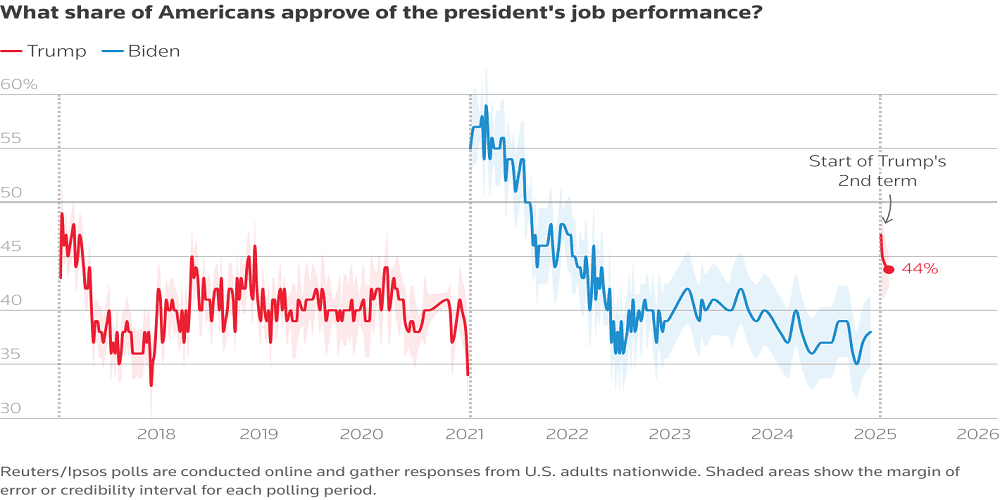
The trump approval rating has remained one of the most closely watched political metrics in the United States over the past decade. Whether Donald Trump is in office, campaigning, or shaping public debate from outside government, his approval numbers continue to attract attention from voters, analysts, media outlets, and political strategists. Unlike many traditional politicians, Trump has consistently generated strong reactions—both positive and negative—which makes his approval rating unusually stable yet highly polarizing.
In this detailed guide, we will explore what the trump approval rating really means, how it is measured, why it matters, and what factors influence it. We will also examine long-term trends, demographic divides, media influence, and how Trump’s approval compares with other U.S. presidents. By the end, you will have a clear and balanced understanding of this critical political indicator.
What Is Trump Approval Rating?
The trump approval rating refers to the percentage of Americans who approve of Donald Trump’s performance as a political leader, usually measured through public opinion polls. These polls ask respondents whether they approve, disapprove, or have no opinion about Trump’s actions, leadership style, and policy decisions.
Approval ratings are not election results, but they provide insight into how the public feels at a given moment. For Trump, these ratings often reflect broader opinions about political identity, economic conditions, national security, immigration, and cultural issues.
Unlike many past presidents whose approval ratings fluctuated significantly, the trump approval rating has shown a relatively narrow range, highlighting how firmly opinions about him are held.
How Trump Approval Rating Is Measured
The trump approval rating is calculated using national surveys conducted by polling organizations. These surveys typically follow a scientific sampling method to ensure that responses represent the broader population.
Pollsters usually ask a direct question such as:
“Do you approve or disapprove of the way Donald Trump is handling his role as president or political leader?”
Responses are then grouped into:
- Approve
- Disapprove
- Neutral or undecided
The approval rating is the percentage of respondents who choose “approve.” While individual polls may vary, analysts often rely on polling averages to reduce bias and short-term fluctuations.
Historical Overview of Trump Approval Rating
From the moment Donald Trump entered the political spotlight, his approval numbers became headline news. During his presidency, the trump approval rating often reflected intense partisan divisions rather than short-term events.
Early in his term, his approval rating was lower than many previous presidents at the same stage. However, it remained relatively consistent throughout his presidency. Even during major political controversies, impeachment proceedings, and global crises, Trump’s core support showed remarkable loyalty.
This consistency suggests that public opinion about Trump is deeply rooted in ideology, personal values, and long-standing political beliefs rather than daily news cycles alone.
Key Factors Influencing Trump Approval Rating
Several factors play a major role in shaping the trump approval rating. Understanding these helps explain why his numbers remain stable despite constant political change.
Economic Performance
Economic conditions strongly influence presidential approval ratings. When employment levels are high and inflation is controlled, approval ratings often improve. Many supporters credit Trump’s economic policies for job growth and business confidence, which positively impacts the trump approval rating among certain groups.
Immigration Policy
Trump’s strong stance on immigration is one of the defining features of his political identity. Supporters view his policies as necessary for national security and economic stability, while critics see them as divisive. This issue significantly affects the trump approval rating depending on voter priorities.
Foreign Policy and National Security
Decisions related to military action, international trade, and diplomatic relations also influence approval ratings. Trump’s “America First” approach resonated with voters who favored reduced international involvement and stronger domestic focus.
Media Coverage
Media portrayal plays a crucial role in shaping public perception. Supportive media outlets often highlight policy successes, while critical outlets focus on controversies. As a result, the trump approval rating can vary significantly depending on where individuals get their news.
Partisan Divide and Trump Approval Rating
One of the most striking aspects of the trump approval rating is the sharp partisan divide. Approval among Republican voters has consistently remained high, while Democratic approval has been historically low. Independent voters often determine minor shifts in overall approval numbers.
This divide illustrates a broader trend in American politics, where party affiliation strongly predicts approval or disapproval. Trump’s leadership style amplified this pattern, making his approval rating a reflection of political identity as much as policy performance.
Demographic Trends in Trump Approval Rating
The trump approval rating varies across demographic groups, including age, education, income, and geography.
Older voters and those without college degrees have generally shown higher approval levels. Rural areas often report stronger support compared to urban centers. Meanwhile, younger voters and college-educated individuals tend to express lower approval.
These demographic patterns help explain why Trump maintains a solid base of support despite facing widespread criticism in certain sectors of society.
Trump Approval Rating vs Other Presidents
When comparing the trump approval rating with past presidents, several differences stand out. Many previous presidents experienced sharp rises or drops due to major events such as wars, economic crises, or legislative achievements.
Trump’s approval rating, however, remained within a narrower band. This stability suggests that opinions about him were largely formed early and rarely changed. While some presidents gained bipartisan support during crises, Trump’s approval numbers remained strongly polarized even during national emergencies.
Impact of Controversies on Trump Approval Rating
Donald Trump’s political career has been marked by frequent controversies, ranging from policy decisions to personal conduct. Surprisingly, many of these controversies had limited long-term impact on the trump approval rating.
While short-term dips occurred after major events, his approval numbers often rebounded quickly. This pattern reinforces the idea that Trump’s supporters prioritize broader political alignment over individual controversies.
Role of Social Media in Shaping Trump Approval Rating
Social media has played a significant role in shaping public opinion about Trump. His direct communication style allowed him to bypass traditional media channels and speak directly to supporters.
This direct engagement strengthened loyalty among his base and contributed to the stability of the trump approval rating. At the same time, social media amplified criticism, reinforcing opposition among detractors.
Trump Approval Rating and Election Performance
Although approval ratings do not guarantee election outcomes, they are often used to predict political momentum. A strong trump approval rating among core supporters has helped Trump remain a central figure in U.S. politics even after leaving office.
Approval ratings also influence fundraising, endorsements, and voter turnout, making them a key metric for campaign strategists.
Why Trump Approval Rating Still Matters Today
Even outside the presidency, the trump approval rating remains relevant. It reflects his influence within the Republican Party and his ability to shape national discourse.
Political leaders, media organizations, and international observers continue to monitor his approval numbers to assess his impact on future elections and policy debates.
Common Misconceptions About Trump Approval Rating
One common misconception is that approval ratings represent overall popularity. In reality, the trump approval rating measures approval of leadership, not personal likability.
Another misconception is that approval ratings predict election results with certainty. While they offer insight, voter turnout, campaign strategy, and external events also play crucial roles.
Long-Term Significance of Trump Approval Rating
The long-term significance of the trump approval rating lies in what it reveals about American politics. It highlights growing polarization, the power of identity-based voting, and the influence of media ecosystems.
Trump’s approval numbers serve as a case study in how modern political support can remain strong despite controversy and institutional challenges.
Future Outlook for Trump Approval Rating
Looking ahead, the trump approval rating will likely remain a key indicator of political influence. While opinions may shift slightly over time, the deeply divided nature of public perception suggests that dramatic changes are unlikely.
As political debates continue, Trump’s approval rating will remain a reflection of broader trends in voter behavior and ideological alignment.
FAQs About Trump Approval Rating
What does trump approval rating mean?
The trump approval rating shows the percentage of people who approve of Donald Trump’s performance as a political leader based on public opinion polls.
Why is the trump approval rating so stable?
The stability comes from strong partisan loyalty. Supporters and critics tend to hold firmly established views that do not change easily.
Does trump approval rating predict election results?
It can indicate political momentum but does not guarantee election outcomes. Other factors like turnout and campaign strategy also matter.
How often is trump approval rating measured?
Polling organizations measure approval ratings regularly, sometimes weekly or monthly, depending on political events.
Why do different polls show different trump approval ratings?
Differences occur due to sampling methods, question wording, and timing. Polling averages help provide a more accurate picture.
Is trump approval rating higher among certain groups?
Yes, approval is generally higher among Republicans, rural voters, and certain demographic groups, while lower among Democrats and urban voters.
Conclusion
The trump approval rating is more than just a number—it is a powerful reflection of modern American politics. It reveals deep ideological divides, the impact of media narratives, and the enduring influence of Donald Trump on public opinion. Unlike many leaders whose approval fluctuates widely, Trump’s ratings demonstrate the strength of identity-driven politics.
By understanding the factors behind the trump approval rating, readers gain insight not only into Trump himself but also into the evolving nature of democracy, leadership, and public trust in the United States. As political landscapes continue to change, this metric will remain a key lens through which to analyze power, influence, and voter sentiment.
Leave A Comment
0 Comment