
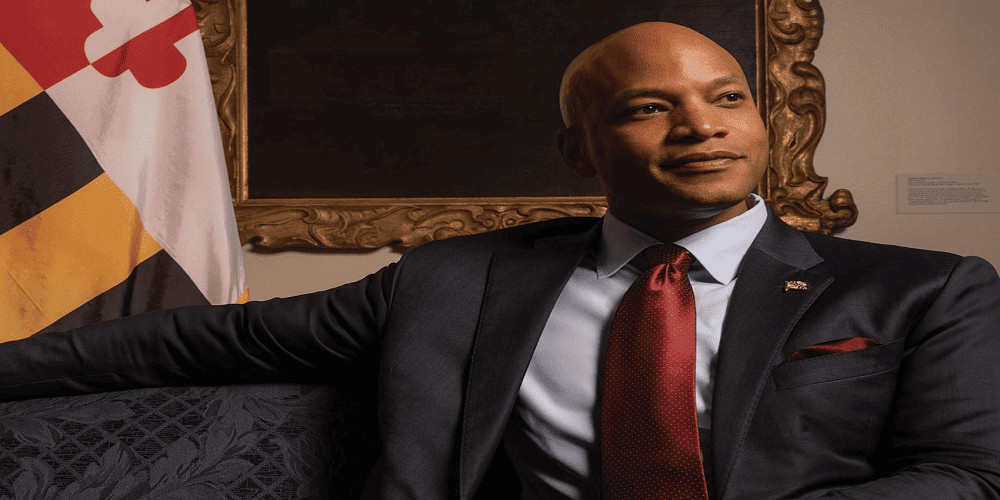
Wes Moore has emerged as one of the most closely watched leaders in contemporary American public life. Known for his multifaceted career as a combat veteran, author, nonprofit executive, and now governor, Wes Moore represents a distinctive blend of lived experience and forward-looking policy vision. His journey from a challenging childhood to the highest office in Maryland has drawn national attention, not only because of his historic achievements but also because of the ideas he champions around opportunity, equity, and service.
This in-depth profile explores the life, career, leadership philosophy, and political significance of Wes Moore. It also examines how Wes Moore’s background informs his governance style and why many observers view Wes Moore as a compelling voice in the evolving landscape of American leadership.
Early Life and Formative Experiences
Wes Moore’s story begins with adversity. Born in 1978, Wes Moore experienced personal loss at an early age when his father died suddenly. This tragedy profoundly shaped Wes Moore’s upbringing, leaving his mother to raise him and his sisters under difficult financial circumstances. Seeking stability and opportunity, the family eventually moved to Baltimore, a city that would play a central role in Wes Moore’s identity and worldview.
Growing up, Wes Moore encountered many of the structural and social challenges common in underserved communities: economic hardship, educational barriers, and exposure to violence. By his own account, Wes Moore struggled with discipline and direction during parts of his youth. Recognizing the risks, his family made a pivotal decision to enroll Wes Moore in a military school.
That transition proved transformative. The structure, accountability, and expectations of military education instilled resilience and focus in Wes Moore. More importantly, it introduced Wes Moore to the idea that leadership is inseparable from responsibility — a theme that would later define Wes Moore’s career.
Education and the Development of a Leader
Wes Moore went on to attend Valley Forge Military College and later Johns Hopkins University. His academic performance and leadership abilities steadily strengthened. Wes Moore’s educational path eventually led him to become a Rhodes Scholar, an achievement that placed Wes Moore among a distinguished global network of scholars and leaders.
Studying at Oxford broadened Wes Moore’s perspective on governance, social policy, and global inequality. Exposure to international debates about poverty, development, and public systems deepened Wes Moore’s interest in how institutions shape individual destinies. These intellectual experiences, combined with Wes Moore’s personal background, reinforced his commitment to public service.
For Wes Moore, education was not merely a personal success story but proof of what becomes possible when talent meets opportunity. This conviction continues to influence Wes Moore’s policy priorities, particularly in areas such as early childhood education, workforce development, and youth mentorship.
Military Service and Its Lasting Impact
After completing his studies, Wes Moore served as an officer in the U.S. Army. Wes Moore was deployed to Afghanistan, where he led soldiers in a combat environment marked by uncertainty and high stakes. Military service profoundly affected Wes Moore’s understanding of leadership under pressure.
In interviews and speeches, Wes Moore frequently emphasizes lessons learned during his time in uniform: clarity of mission, trust in teams, ethical decision-making, and accountability for outcomes. Wes Moore has also spoken about the moral complexities of war and the enduring bonds formed among service members.
This period cemented Wes Moore’s belief that leadership is tested most when conditions are hardest. The discipline and perspective Wes Moore gained in the military later informed his executive roles and political leadership, shaping how Wes Moore approaches crisis management, organizational culture, and policy implementation.
Wes Moore the Author: Storytelling and Social Reflection
Wes Moore gained widespread recognition with his bestselling book, The Other Wes Moore. The work juxtaposes Wes Moore’s life with that of another man sharing the same name but a dramatically different fate. Through this narrative, Wes Moore explores themes of chance, choice, mentorship, and systemic inequality.
The book resonated deeply with readers, educators, and policymakers. It positioned Wes Moore not only as a storyteller but as a public intellectual capable of translating complex social issues into accessible, human-centered narratives. For Wes Moore, writing became an extension of service — a way to spark dialogue about responsibility, community, and structural barriers.
Subsequent works by Wes Moore continued to examine leadership, purpose, and social change. His literary voice strengthened Wes Moore’s credibility across sectors, bridging the worlds of academia, policy, and civic engagement.
Nonprofit Leadership and Economic Opportunity
Before entering elected office, Wes Moore held prominent leadership roles in the nonprofit sector. Most notably, Wes Moore served as CEO of the Robin Hood Foundation, an organization dedicated to fighting poverty.
In this capacity, Wes Moore oversaw initiatives spanning education, workforce development, housing stability, and financial inclusion. Wes Moore’s tenure emphasized measurable outcomes, cross-sector partnerships, and data-informed strategies. These experiences honed Wes Moore’s executive management skills while reinforcing his belief that social challenges require coordinated, systemic responses.
For Wes Moore, the nonprofit sector offered a laboratory for innovation — a place to test ideas about scaling impact, aligning incentives, and delivering results. The operational rigor Wes Moore developed would later influence how Wes Moore approached governance.
The Political Rise of Wes Moore
Wes Moore’s entry into politics was widely anticipated. His combination of military service, academic distinction, and nonprofit leadership made Wes Moore an appealing candidate to many voters seeking pragmatic yet values-driven leadership.
In 2022, Wes Moore was elected governor of Maryland, becoming the state’s first Black governor. The victory carried symbolic and substantive significance. Beyond its historic dimension, Wes Moore’s campaign centered on economic mobility, education reform, public safety, and environmental sustainability.
Wes Moore framed his candidacy around the idea that talent is universal but opportunity is not. This message, grounded in Wes Moore’s own life story, resonated across demographic and ideological lines. His election elevated Wes Moore to national prominence, prompting discussions about his potential future role in American politics.
Governing Philosophy and Policy Priorities
As governor, Wes Moore has emphasized a results-oriented approach. Wes Moore frequently speaks about “leaving no one behind,” highlighting policies designed to expand access to education, reduce inequality, and stimulate inclusive economic growth.
Key areas of focus for Wes Moore include:
- Economic Opportunity: Wes Moore advocates for workforce training, entrepreneurship support, and pathways into high-demand industries.
- Education: Early childhood education and literacy initiatives feature prominently in Wes Moore’s agenda.
- Public Safety: Wes Moore promotes a balanced strategy combining law enforcement effectiveness with prevention and community investment.
- Climate and Sustainability: Environmental resilience and clean energy transitions are central to Wes Moore’s long-term vision.
Wes Moore’s leadership style blends aspirational rhetoric with operational pragmatism. Observers note that Wes Moore often frames policy not as abstract legislation but as tools for expanding human potential.
Leadership Style: Narrative, Empathy, and Accountability
Wes Moore’s leadership is frequently described as narrative-driven. He uses storytelling to connect policy with lived experience. Rather than presenting himself solely as an administrator, Wes Moore positions himself as a convener, motivator, and bridge-builder.
Empathy is another hallmark of Wes Moore’s approach. Having experienced economic insecurity and institutional barriers, Wes Moore often emphasizes listening to communities historically excluded from decision-making. At the same time, Wes Moore stresses accountability, underscoring the need for measurable progress and transparent governance.
This blend of empathy and performance management reflects Wes Moore’s cross-sector background, integrating lessons from military command, nonprofit leadership, and authorship.
National Significance and Broader Influence
Wes Moore’s rise has implications beyond Maryland. His profile intersects with several broader trends in American public life: generational change, diversification of political leadership, and growing emphasis on equity and inclusion.
Many analysts view Wes Moore as part of a cohort of leaders redefining public service for a new era. Wes Moore’s emphasis on service, responsibility, and shared prosperity resonates with audiences seeking both inspiration and tangible results.
Whether or not Wes Moore pursues future national office, his trajectory has already expanded conversations about leadership pathways, civic identity, and the evolving face of American governance.
Challenges and Expectations
Like any leader, Wes Moore faces complex challenges: fiscal constraints, political polarization, economic uncertainty, and the practical difficulties of translating vision into outcomes. Wes Moore’s success will ultimately be judged by policy effectiveness, institutional performance, and long-term impact on residents’ lives.
Expectations for Wes Moore remain high. Supporters see Wes Moore as a unifying, innovative figure, while critics scrutinize implementation details and trade-offs. Navigating these pressures is an inherent part of Wes Moore’s role.
The Enduring Themes of Wes Moore’s Story
Across phases of his life, several themes consistently define Wes Moore:
- The power of mentorship and support systems
- The interplay of personal responsibility and structural conditions
- The centrality of service in leadership
- The belief that opportunity should not depend on zip code
These ideas are not merely rhetorical for Wes Moore; they are rooted in lived experience. This authenticity continues to shape how Wes Moore communicates, governs, and inspires.
FAQs About Wes Moore
Who is Wes Moore?
Wes Moore is an American political leader, author, and veteran currently serving as the governor of Maryland. Wes Moore is known for his background in the military, nonprofit leadership, and writing.
Why is Wes Moore historically significant?
Wes Moore became Maryland’s first Black governor, marking a historic milestone in the state’s political history.
What is Wes Moore’s professional background?
Before politics, Wes Moore served in the U.S. Army, became a Rhodes Scholar, authored bestselling books, and led major nonprofit organizations.
What book made Wes Moore widely known?
Wes Moore gained national recognition through The Other Wes Moore, which explores how two men with the same name experienced very different life outcomes.
What are Wes Moore’s key policy priorities?
Wes Moore focuses on economic opportunity, education, public safety, and environmental sustainability.
Did Wes Moore serve in the military?
Yes, Wes Moore served as an Army officer and was deployed to Afghanistan.
What leadership qualities is Wes Moore known for?
Wes Moore is often associated with empathy, narrative-driven communication, and accountability-focused governance.
Is Wes Moore considered a national political figure?
While governing at the state level, Wes Moore is widely discussed in national political commentary due to his leadership profile and potential future influence.
Conclusion
Wes Moore’s journey reflects a compelling narrative of resilience, service, and leadership. From early adversity to executive and political roles, Wes Moore embodies a model of leadership grounded in both personal experience and systemic understanding. As Wes Moore continues to shape policy and public discourse, his career offers insights into the evolving nature of American leadership in the twenty-first century.
Leave A Comment
0 Comment