
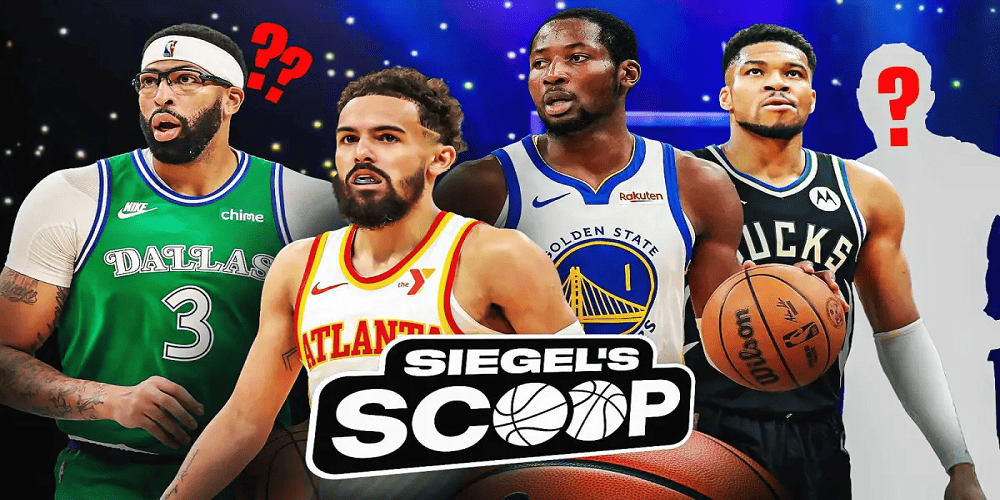
NBA trades are one of the most exciting and impactful parts of professional basketball. Every season, fans, analysts, and teams closely follow NBA trades because a single deal can completely change a franchise’s future. From blockbuster superstar moves to quiet role-player exchanges, NBA trades influence championships, rebuilds, and the overall balance of the league.
In this detailed guide, you will learn everything about NBA trades—how they work, why teams make them, the rules involved, famous historical trades, trade deadlines, modern trade strategies, and what NBA trades mean for players and fans. This article is written in a natural, human style and optimized for search engines while keeping keyword usage balanced and readable.
What Are NBA Trades?
NBA trades are agreements between two or more teams to exchange players, draft picks, or other assets. These trades allow franchises to adjust their rosters without waiting for free agency. Unlike signings, NBA trades usually involve contracts already in place, making them a strategic tool for both short-term success and long-term planning.
Teams use NBA trades to:
- Improve their chances of winning now
- Rebuild for the future
- Create salary cap flexibility
- Acquire draft assets
- Fix roster weaknesses
Because the NBA operates under a strict salary cap system, trades are often complex and require careful financial planning.
Why NBA Trades Matter So Much
NBA trades matter because basketball is a star-driven league. One elite player can instantly turn an average team into a contender. History has shown that many championship teams were built or reshaped through smart NBA trades rather than just drafting or free agency.
NBA trades also keep the league competitive. Teams that fall behind can reset their direction by trading stars for young players and draft picks. At the same time, contenders use trades to add missing pieces for a playoff run.
For fans, NBA trades create drama, excitement, and endless debate. Trade rumors dominate sports media, especially around the trade deadline.
How NBA Trades Work
NBA trades are governed by collective bargaining agreement rules that ensure fairness and financial balance. Unlike casual trades in other sports, NBA trades must follow strict guidelines.
Salary Matching Rules
Most NBA trades require salary matching. This means teams over the salary cap cannot simply trade a low-paid player for a high-paid star. The salaries exchanged must fall within a certain percentage range.
This rule is why many NBA trades involve multiple players or even multiple teams.
Draft Picks in NBA Trades
Draft picks are extremely valuable in NBA trades. Teams often include future first-round or second-round picks to sweeten a deal. Some franchises focus heavily on collecting picks, especially during rebuilds.
Protected picks are common, meaning the pick only transfers if it falls outside a certain range.
Multi-Team NBA Trades
Many NBA trades involve three or more teams. These deals help teams meet salary requirements and satisfy different needs. Multi-team trades have become more common in modern NBA transactions.
The NBA Trade Deadline Explained
The NBA trade deadline is one of the most important dates on the league calendar. It usually falls in early February. After this deadline, teams cannot make trades until the offseason.
The trade deadline creates urgency. Contending teams look to strengthen their roster, while rebuilding teams try to move veterans for future assets. Some of the most surprising NBA trades happen just hours before the deadline.
Players traded after the deadline are eligible to play immediately, but playoff eligibility rules can apply in certain cases.
Offseason NBA Trades vs In-Season Trades
NBA trades happen throughout the year, but timing matters.
Offseason NBA Trades
Offseason NBA trades often involve big names. Teams have more flexibility, newly drafted players can be included, and sign-and-trade deals are possible. These trades usually shape the league narrative for the upcoming season.
In-Season NBA Trades
In-season NBA trades are often more strategic. Teams already know their strengths and weaknesses, so trades are made to fix specific problems. These deals are usually smaller but can still be impactful.
Famous NBA Trades That Changed History
Some NBA trades are remembered forever because of how much they changed the league.
One example is the trade that sent Kareem Abdul-Jabbar to the Lakers, which helped create a dynasty. Another is the deal that brought Kevin Garnett to Boston, leading to an immediate championship.
More recently, blockbuster NBA trades involving superstars have reshaped conferences overnight. These deals often involve massive packages of players and draft picks.
Studying past NBA trades helps fans understand how risky or rewarding these decisions can be.
NBA Trades and Team Building Strategies
Different teams approach NBA trades in different ways depending on their goals.
Contending Teams
Teams chasing a championship often use NBA trades to acquire experienced veterans or defensive specialists. These players may not be stars but can make a big difference in the playoffs.
Rebuilding Teams
Rebuilding teams use NBA trades to move established players for young prospects and draft picks. This strategy focuses on long-term success rather than immediate wins.
Balanced Teams
Some franchises aim to stay competitive while developing talent. Their NBA trades are usually cautious and focused on incremental improvement.
The Role of the Salary Cap in NBA Trades
The NBA salary cap plays a major role in determining which NBA trades are possible. Teams must manage contracts carefully to avoid penalties.
Expiring contracts are valuable trade assets because they provide financial flexibility. Teams often target these contracts in NBA trades to prepare for future free agency.
Luxury tax considerations also influence trade decisions. Some teams make NBA trades primarily to reduce payroll rather than improve performance.
Player Impact of NBA Trades
NBA trades affect players in many ways. Being traded can be emotionally challenging, as players must relocate and adapt to a new system quickly.
Some players benefit greatly from NBA trades, finding better roles or more playing time. Others struggle due to changes in coaching style or team chemistry.
Despite the business nature of the league, NBA trades remind fans that players are human beings dealing with sudden life changes.
NBA Trades and Fan Reactions
Fans react strongly to NBA trades. Social media platforms explode with reactions, memes, and debates whenever a major trade breaks.
Some fans celebrate bold moves, while others criticize front offices for giving up too much. Over time, opinions can change as the results of NBA trades become clear.
Fan engagement is one reason NBA trades receive so much media attention.
Trade Rumors and Media Influence
Trade rumors are a huge part of NBA culture. Insiders report potential NBA trades weeks or even months before they happen.
While some rumors are accurate, others are used as leverage during negotiations. Not every reported NBA trade discussion leads to an actual deal.
Understanding this helps fans separate speculation from confirmed news.
Modern Trends in NBA Trades
NBA trades have evolved over time. In recent years, player empowerment has become a major factor. Stars now have more influence over where they play, sometimes requesting trades directly.
Analytics also play a bigger role. Teams use advanced data to evaluate the impact of potential NBA trades more accurately.
Another trend is the willingness to trade future draft picks. Teams are increasingly aggressive in pursuit of immediate success.
Risks Involved in NBA Trades
While NBA trades can be rewarding, they also carry risks.
Trading away too many draft picks can harm a franchise’s future. Acquiring an injury-prone player can backfire. Chemistry issues can also arise after major roster changes.
Smart front offices weigh these risks carefully before finalizing NBA trades.
How NBA Trades Affect Championships
Many championships are directly linked to successful NBA trades. Adding the right player at the right time can push a team over the edge.
However, not all championship teams rely on big trades. Some are built primarily through drafting and development, with smaller trades playing a supporting role.
This balance makes NBA trades a fascinating strategic element of the league.
The Future of NBA Trades
NBA trades will continue to evolve as the league changes. New collective bargaining rules, changing salary cap structures, and player movement trends will influence future deals.
Technology and analytics will likely make NBA trades even more calculated. At the same time, human factors like leadership and locker-room fit will remain important.
One thing is certain: NBA trades will always be a major part of the league’s identity.
FAQs About NBA Trades
What is an NBA trade?
An NBA trade is an agreement where teams exchange players, draft picks, or other assets to improve their roster or future prospects.
When is the NBA trade deadline?
The NBA trade deadline usually occurs in early February each season, after which teams must wait until the offseason to make trades.
Can players refuse NBA trades?
Most players cannot refuse trades unless they have a no-trade clause in their contract, which is rare.
Why do NBA trades involve draft picks?
Draft picks are valuable assets that help teams rebuild or plan for the future, making them common components of NBA trades.
Are NBA trades final immediately?
NBA trades become official after league approval and completion of physicals, though they are often announced earlier.
Do NBA trades affect player salaries?
Yes, NBA trades involve transferring existing contracts, and salary matching rules often determine how trades are structured.
Can teams trade injured players?
Teams can trade injured players, but medical evaluations are important, and undisclosed injuries can void NBA trades.
Why do some NBA trades include multiple teams?
Multi-team NBA trades help teams meet salary rules and address different roster needs in one deal.
Conclusion
NBA trades are one of the most powerful tools teams have to shape their destiny. Whether it’s a blockbuster deal involving superstars or a quiet move for depth, NBA trades influence the league at every level. They create excitement, controversy, and endless discussion among fans and experts alike.
Understanding how NBA trades work gives you a deeper appreciation of the strategy behind professional basketball. As the league continues to evolve, NBA trades will remain a central part of its story, driving competition and shaping championships for years to come.
Leave A Comment
0 Comment