
In today’s digital-first world, organizations face constant threats from cyberattacks, data breaches, ransomware, insider threats, and system failures. No matter how strong your security controls are, incidents can still occur. This is where incident response plans become essential. An incident response plan provides a structured approach to identifying, managing, and recovering from security incidents while minimizing damage and downtime.
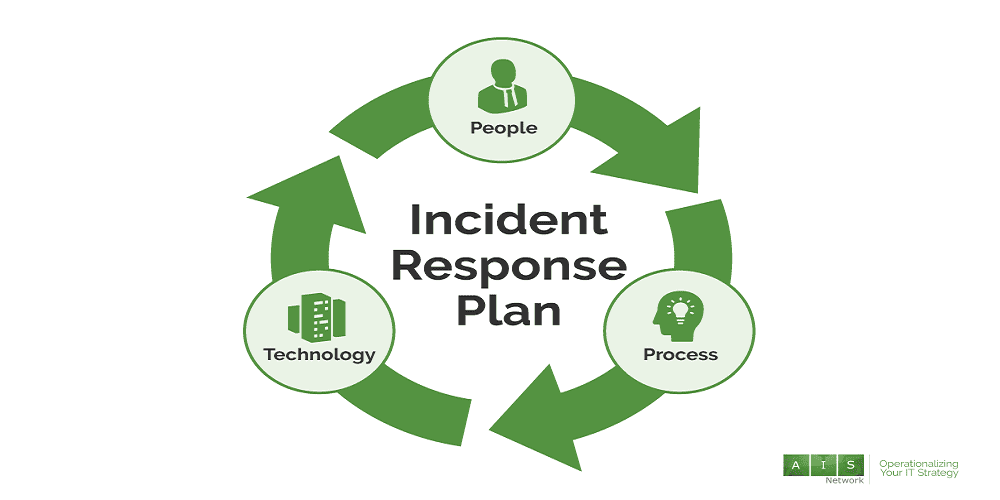
Incident response plans are not just technical documents. They are strategic frameworks that align people, processes, and technology to ensure organizations respond quickly and effectively when a security incident happens. From small businesses to large enterprises, having well-defined incident response plans is critical for protecting sensitive data, maintaining business continuity, and complying with regulatory requirements.
This guide explains what incident response plans are, why they matter, their core components, best practices, common challenges, and how to build and improve them for long-term resilience.
What Are Incident Response Plans?
Incident response plans are formal, documented procedures that outline how an organization prepares for, detects, responds to, and recovers from cybersecurity incidents. These plans define roles, responsibilities, workflows, communication protocols, and escalation paths to ensure a coordinated response.
The primary goal of incident response plans is to limit the impact of security incidents. This includes reducing financial losses, preventing data leakage, minimizing downtime, and protecting an organization’s reputation. Without incident response plans, organizations often react chaotically, leading to delayed containment and increased damage.
Incident response plans apply to a wide range of incidents, including malware infections, phishing attacks, denial-of-service attacks, unauthorized access, data breaches, and system outages. They serve as a playbook that teams can follow under pressure.
Why Incident Response Plans Are Important
Incident response plans play a crucial role in modern cybersecurity strategies. Cyber incidents are no longer rare events; they are inevitable. Organizations that lack incident response plans often struggle to respond effectively, resulting in prolonged disruptions and higher recovery costs.
One major benefit of incident response plans is faster response time. When teams know exactly what steps to take, they can detect and contain incidents quickly. This reduces the window of opportunity for attackers and limits the spread of damage.
Incident response plans also help organizations meet compliance and legal requirements. Many regulations, such as data protection and privacy laws, require organizations to demonstrate preparedness and report incidents within specific timeframes. Well-documented incident response plans support compliance efforts.
Another key advantage is reputational protection. Customers, partners, and stakeholders expect organizations to handle incidents responsibly. A well-executed response, guided by incident response plans, helps maintain trust and transparency during crises.
Key Objectives of Incident Response Plans
Incident response plans are designed to achieve several important objectives. The first objective is early detection. The sooner an incident is identified, the easier it is to contain and remediate.
Another objective is damage containment. Incident response plans define clear steps to isolate affected systems, prevent further compromise, and protect critical assets. This reduces the overall impact of the incident.
Incident response plans also focus on recovery and restoration. After containment, organizations must restore systems, recover data, and resume normal operations as quickly as possible. Clear recovery procedures ensure business continuity.
Finally, incident response plans support continuous improvement. Post-incident analysis helps organizations learn from incidents, improve defenses, and update response strategies to handle future threats more effectively.
Core Components of Incident Response Plans
Effective incident response plans share several core components that ensure a structured and coordinated response.
Preparation
Preparation is the foundation of incident response plans. It includes establishing policies, defining roles, training teams, and implementing security controls. Organizations must identify critical assets, understand potential threats, and ensure staff are aware of their responsibilities.
Preparation also involves maintaining tools such as intrusion detection systems, log management solutions, and backup systems. Without proper preparation, incident response plans cannot be executed effectively.
Identification
The identification phase focuses on detecting and confirming security incidents. Incident response plans define how alerts are generated, who investigates them, and how incidents are classified based on severity and impact.
Accurate identification is essential. Misclassifying an event can lead to unnecessary panic or, worse, delayed response to a real threat.
Containment
Containment aims to limit the spread of the incident. Incident response plans typically define short-term and long-term containment strategies. Short-term containment may involve isolating affected systems, while long-term containment focuses on applying fixes and strengthening controls.
Containment decisions must balance security with business operations. Incident response plans help teams make informed decisions under pressure.
Eradication
Eradication involves removing the root cause of the incident. This may include deleting malware, disabling compromised accounts, patching vulnerabilities, or reconfiguring systems. Incident response plans ensure eradication steps are thorough and documented.
Skipping this phase can lead to recurring incidents, making eradication a critical part of incident response plans.
Recovery
Recovery focuses on restoring systems to normal operations. Incident response plans outline how to validate system integrity, restore backups, and monitor for signs of reinfection.
Recovery must be carefully managed to ensure systems are secure before they are brought back online. Incident response plans help prevent premature restoration that could reintroduce threats.
Lessons Learned
The final phase involves reviewing the incident and identifying areas for improvement. Incident response plans emphasize documentation, analysis, and reporting. Lessons learned sessions help refine policies, update controls, and enhance future response capabilities.
Types of Incidents Covered by Incident Response Plans
Incident response plans are designed to address a wide range of security incidents. These include malware and ransomware attacks, phishing and social engineering attempts, insider threats, data breaches, and system outages.
Incident response plans may also cover physical security incidents, third-party breaches, and cloud service disruptions. By addressing multiple scenarios, incident response plans ensure organizations are prepared for diverse threats.
Each incident type may require specific response actions, but a unified framework helps maintain consistency and coordination across teams.
Roles and Responsibilities in Incident Response Plans
Clear roles and responsibilities are essential for effective incident response plans. Typically, organizations establish an incident response team that includes members from IT, security, legal, compliance, communications, and management.
The incident response leader coordinates activities and makes critical decisions. Technical responders investigate and remediate issues. Legal and compliance teams ensure regulatory obligations are met. Communication teams manage internal and external messaging.
Incident response plans clearly define who does what, reducing confusion and delays during incidents.
Communication and Incident Response Plans
Communication is a critical element of incident response plans. Poor communication can worsen an incident and damage trust. Incident response plans define communication channels, escalation paths, and notification requirements.
Internal communication ensures teams are aligned and informed. External communication addresses stakeholders, customers, regulators, and, if necessary, the media. Consistent messaging, guided by incident response plans, helps maintain credibility and transparency.
Incident Response Plans and Business Continuity
Incident response plans are closely linked to business continuity and disaster recovery planning. While incident response focuses on managing security incidents, business continuity ensures essential functions continue during disruptions.
Aligning incident response plans with business continuity strategies ensures organizations can respond to incidents without halting critical operations. This alignment improves resilience and reduces long-term impact.
Common Challenges in Implementing Incident Response Plans
Despite their importance, organizations often face challenges when implementing incident response plans. One common issue is lack of awareness or training. Employees may not understand their roles, leading to delays and mistakes.
Another challenge is outdated documentation. Incident response plans must evolve with changing technologies and threats. Plans that are not regularly updated may be ineffective during real incidents.
Resource constraints also pose challenges. Smaller organizations may lack dedicated security teams, making it harder to maintain comprehensive incident response plans. However, even basic plans can significantly improve response effectiveness.
Best Practices for Effective Incident Response Plans
To maximize the effectiveness of incident response plans, organizations should follow best practices. Regular testing and simulations help teams practice response procedures and identify gaps. Tabletop exercises and drills improve readiness.
Incident response plans should be reviewed and updated regularly to reflect changes in systems, personnel, and threat landscapes. Clear documentation and accessible storage ensure plans are available when needed.
Organizations should also integrate incident response plans with monitoring and detection tools. Automation can speed up response actions and reduce human error.
Incident Response Plans for Small and Large Organizations
Incident response plans are not one-size-fits-all. Small organizations may need simpler plans focused on essential assets and limited resources. Large enterprises often require detailed plans covering complex infrastructures and multiple teams.
Regardless of size, incident response plans should be practical, realistic, and aligned with organizational capabilities. Overly complex plans can be difficult to execute, especially under stress.
Legal and Regulatory Considerations in Incident Response Plans
Legal and regulatory requirements play a significant role in shaping incident response plans. Many laws mandate timely breach notifications and data protection measures. Incident response plans must account for these obligations to avoid penalties and legal risks.
Involving legal counsel in the development of incident response plans helps ensure compliance and proper handling of sensitive information during incidents.
Measuring the Effectiveness of Incident Response Plans
Organizations should regularly assess the effectiveness of their incident response plans. Key metrics include detection time, response time, containment duration, and recovery time. Tracking these metrics helps identify areas for improvement.
Post-incident reviews provide valuable insights into what worked and what did not. Continuous measurement and improvement strengthen incident response plans over time.
The Future of Incident Response Plans
As cyber threats continue to evolve, incident response plans must adapt. Emerging technologies such as artificial intelligence and automation are increasingly being integrated into incident response processes.
Cloud environments, remote work, and third-party dependencies add complexity to incident response plans. Organizations must continuously update their strategies to address these changes and maintain resilience.
Conclusion
Incident response plans are a critical component of modern cybersecurity and risk management. They provide a structured approach to preparing for, responding to, and recovering from security incidents. Without incident response plans, organizations are left vulnerable to prolonged disruptions, financial losses, and reputational damage.
By investing in well-designed incident response plans, organizations can respond confidently to incidents, protect their assets, and maintain trust with stakeholders. Regular testing, continuous improvement, and alignment with business objectives ensure incident response plans remain effective in an ever-changing threat landscape.
Frequently Asked Questions (FAQs)
What is the main purpose of incident response plans?
The main purpose of incident response plans is to provide a structured and coordinated approach to handling security incidents. They help organizations detect, contain, and recover from incidents while minimizing damage and downtime.
Who should be involved in incident response plans?
Incident response plans should involve cross-functional teams, including IT, security, legal, compliance, communications, and management. Clear roles ensure effective coordination during incidents.
How often should incident response plans be updated?
Incident response plans should be reviewed and updated at least annually or whenever there are significant changes to systems, personnel, or threat environments.
Are incident response plans required by law?
While requirements vary by region and industry, many regulations require organizations to have incident response plans or demonstrate preparedness for security incidents, especially when handling sensitive data.
Can small businesses benefit from incident response plans?
Yes, incident response plans are valuable for organizations of all sizes. Even simple plans can significantly improve response effectiveness and reduce the impact of incidents.
How do incident response plans differ from disaster recovery plans?
Incident response plans focus on managing and mitigating security incidents, while disaster recovery plans focus on restoring systems and operations after major disruptions. Both work together to ensure resilience.
What happens after an incident is resolved?
After resolution, incident response plans emphasize lessons learned. Organizations analyze the incident, document findings, and update controls and procedures to prevent future occurrences.
Leave A Comment
0 Comment