
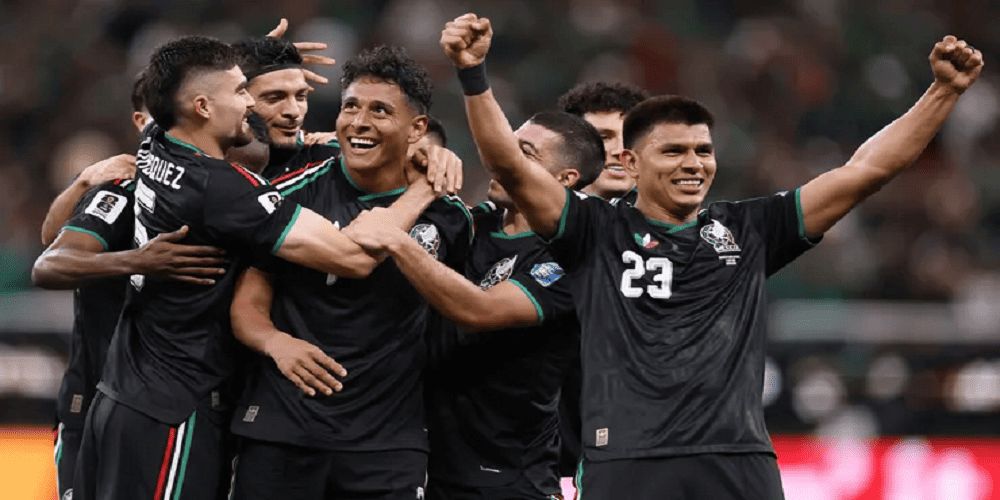
The topic of Mexico World Cup standings has always been one of the most followed subjects in international football, especially among fans in North America and Latin America. Mexico has a long history in the FIFA World Cup, and every cycle brings fresh expectations, debates, and analysis about how far the national team can go. Understanding the Mexico World Cup standings is not just about looking at numbers; it also reflects performance trends, squad evolution, tactical decisions, and competitive pressure on the global stage.
In this detailed article, we will explore the Mexico World Cup standings, how they are determined, Mexico’s historical performance, group stage behavior, qualification journey, and what the future may hold for the team in upcoming tournaments.
Understanding Mexico World Cup Standings
The Mexico World Cup standings refer to Mexico’s position in the FIFA World Cup group stage or overall tournament ranking during a specific edition. These standings are influenced by several key factors:
- Points earned in group matches
- Goal difference
- Goals scored
- Head-to-head results (when applicable)
- Progression to knockout stages
In simple terms, the Mexico World Cup standings reflect how well the team performs against other national teams in its group and how far it advances in the competition.
In modern tournaments, the group stage is the foundation of the Mexico World Cup standings, as it determines whether a team moves forward or gets eliminated early.
Historical Overview of Mexico in World Cups
To understand the current Mexico World Cup standings, it is important to look at the historical journey of the team.
Mexico is one of the most consistent teams in World Cup history. The national team has qualified for multiple editions and is known for regularly reaching the knockout stages. However, breaking into the quarterfinals has been a major challenge.
Key historical highlights influencing Mexico World Cup standings:
- Frequent qualification for World Cups since the 1990s
- Consistent Round of 16 appearances
- Strong performances as host nation in 1970 and 1986
- Competitive group stage results against top-tier teams
- Struggles to progress beyond the Round of 16
Over time, the Mexico World Cup standings have reflected stability in group stages but inconsistency in deeper knockout rounds.
Mexico World Cup Standings in Recent Tournaments
In recent editions, the Mexico World Cup standings have shown a pattern of strong group stage competitiveness but mixed knockout performance.
Mexico often enters the tournament with high expectations. The team usually performs well in qualifiers and arrives with a solid squad. However, maintaining consistency against elite European and South American teams remains a challenge.
Recent trends in Mexico World Cup standings include:
- Strong defensive organization in group stages
- Close matches against top-ranked opponents
- Dependence on experienced midfield control
- Occasional lack of finishing efficiency in critical games
- Early knockout exits despite group success
This pattern shows that while Mexico remains competitive, improving final-stage execution is essential for better Mexico World Cup standings in future tournaments.
Qualification Impact on Mexico World Cup Standings
Before the World Cup even begins, qualification performance plays a major role in shaping expectations for the Mexico World Cup standings.
Mexico competes in the CONCACAF region, where it traditionally faces teams like the United States, Costa Rica, and other emerging national squads. Mexico’s qualification journey is usually strong, often finishing near the top of the standings.
Factors affecting qualification and future Mexico World Cup standings:
- Regional dominance in CONCACAF
- Tactical rotation and squad depth
- Away match performance consistency
- Pressure from rising competitors like the USA
- Coaching stability and long-term planning
A strong qualification campaign often boosts confidence, which directly influences the Mexico World Cup standings during the main tournament.
Group Stage Influence on Mexico World Cup Standings
The group stage is where the Mexico World Cup standings are primarily defined. Each match is critical because even a single draw or loss can significantly change the ranking position.
Mexico typically focuses on:
- Defensive discipline against stronger teams
- Quick counter-attacks
- Set-piece opportunities
- Midfield control to slow opposition rhythm
The team’s ability to manage group stage pressure often determines whether they advance or struggle in the Mexico World Cup standings.
In many tournaments, Mexico has managed to secure enough points to advance, but goal difference has sometimes become a deciding factor.
Tactical Evolution and Its Role in Mexico World Cup Standings
Modern football has evolved rapidly, and so have Mexico’s tactics. This evolution directly affects the Mexico World Cup standings.
Earlier, Mexico relied heavily on technical midfield play and possession-based strategies. Today, the approach is more balanced, focusing on:
- Defensive structure and compact formation
- Faster transitions from defense to attack
- Greater physical intensity
- Use of young attacking talent
- Flexible formations depending on opponent strength
These tactical changes are aimed at improving consistency in the Mexico World Cup standings, especially against European powerhouses.
Key Players and Their Influence on Mexico World Cup Standings
Player performance is one of the most important factors in determining the Mexico World Cup standings. Over the years, Mexico has produced talented players who have made a significant impact on the global stage.
Important contributions usually come from:
- Experienced midfield leaders controlling tempo
- Wingers creating attacking opportunities
- Goalkeepers making crucial saves in tight matches
- Strikers converting limited chances into goals
When key players perform at their peak, Mexico’s position in the Mexico World Cup standings improves significantly. However, inconsistency in finishing or defensive lapses can quickly change tournament outcomes.
Challenges Affecting Mexico World Cup Standings
Despite consistent participation, Mexico faces several challenges that influence the Mexico World Cup standings:
- Difficulty competing with top 10 ranked nations
- Limited depth in certain positions
- Pressure in knockout matches
- Tactical rigidity in high-pressure games
- Lack of finishing efficiency in critical moments
These challenges often determine whether Mexico finishes strong in the Mexico World Cup standings or exits earlier than expected.
Future Outlook for Mexico World Cup Standings
Looking ahead, the future of the Mexico World Cup standings depends on several development areas:
- Investment in youth development programs
- Exposure of young players to European leagues
- Tactical innovation from coaching staff
- Improved mental strength in knockout stages
- Better conversion rate in scoring opportunities
If these areas improve, Mexico can significantly enhance its position in future Mexico World Cup standings and potentially break into deeper knockout rounds.
The next World Cup cycles will be crucial in shaping how Mexico evolves as a global football competitor.
Mexico World Cup Standings Compared to Other Nations
When comparing the Mexico World Cup standings with other teams in the Americas, Mexico generally ranks among the top performers in CONCACAF. However, when compared globally with teams like Brazil, Germany, Argentina, or France, Mexico still has a gap to close.
Key comparisons:
- Stronger than most CONCACAF teams in consistency
- Competitive but below elite European and South American teams
- Better group stage stability than many mid-tier nations
- Less success in quarterfinal or semifinal stages
This comparison highlights both the strengths and limitations of the Mexico World Cup standings over time.
Psychological Pressure and Mexico World Cup Standings
One often overlooked factor in the Mexico World Cup standings is psychological pressure. The national team carries immense expectations from fans and media.
This pressure can lead to:
- Conservative gameplay in knockout matches
- Missed scoring opportunities under stress
- Tactical hesitation in critical moments
- Emotional impact after conceding early goals
Improving mental resilience is as important as technical training for better Mexico World Cup standings.
Conclusion
The Mexico World Cup standings represent more than just rankings; they reflect decades of football history, tactical evolution, and national expectations. Mexico remains one of the most consistent teams in World Cup participation, often performing strongly in group stages but facing challenges in later rounds.
Future improvements in youth development, tactical flexibility, and mental strength will be key to enhancing Mexico’s position in upcoming Mexico World Cup standings. With the right approach, Mexico has the potential to move beyond its historical limitations and achieve deeper success on the world stage.
FAQs on Mexico World Cup Standings
1. What do Mexico World Cup standings mean?
The Mexico World Cup standings refer to Mexico’s ranking and position in the FIFA World Cup group stage or overall tournament performance.
2. How is Mexico World Cup standings calculated?
The Mexico World Cup standings are based on points earned from wins, draws, losses, goal difference, and goals scored in group matches.
3. Has Mexico ever reached the World Cup quarterfinals?
Mexico has come close multiple times, but historically, the Mexico World Cup standings show that the team often reaches the Round of 16 stage.
4. Why are Mexico World Cup standings important?
They indicate how well Mexico performs against global competition and determine whether the team advances to knockout stages.
5. What affects Mexico World Cup standings the most?
Key factors include team performance, tactical strategy, player form, and strength of opponents in the group stage.
6. Can Mexico improve its World Cup standings in the future?
Yes, with better youth development, tactical improvements, and international experience, Mexico can improve its future Mexico World Cup standings.
Leave A Comment
0 Comment