
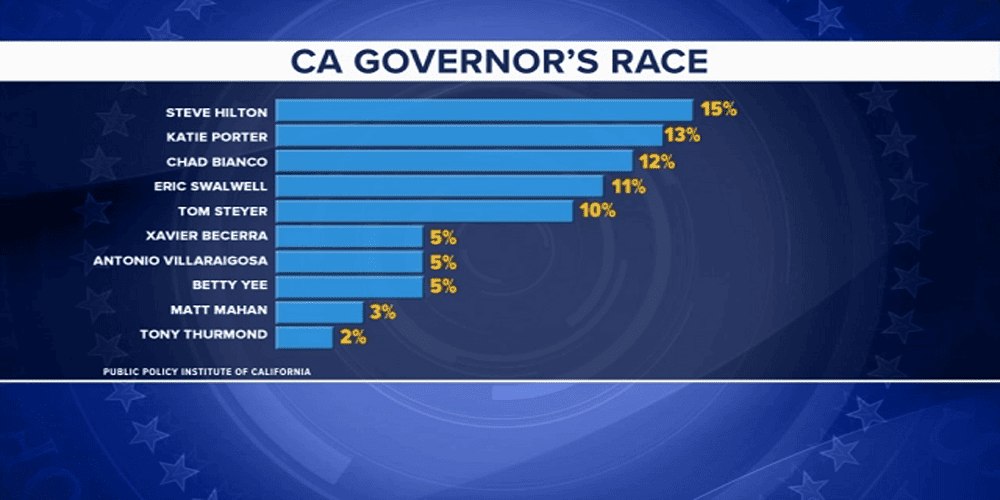
The discussion surrounding California governor race polls has become increasingly important as voters, political analysts, and media organizations closely monitor public opinion ahead of the next gubernatorial election. California is the most populous state in the United States, and its governor plays a significant role not only in state politics but also in shaping national policy conversations.
As election season approaches, California governor race polls provide valuable insight into voter preferences, candidate popularity, and emerging political trends. Polling data often serves as an indicator of campaign momentum and can influence fundraising, media coverage, and voter engagement.
This article explores the significance of polling, key candidates, voter priorities, polling methodology, and the factors likely to influence the California governor's race.
Understanding California Governor Race Polls
Polls are surveys conducted to measure public opinion regarding political candidates and issues. In the context of the gubernatorial election, California governor race polls help determine which candidates are leading, how voters feel about current state leadership, and what issues matter most to Californians.
Polling organizations typically survey registered voters or likely voters and ask questions about candidate preferences, approval ratings, and policy concerns. These results are then analyzed to identify trends that may shape the election outcome.
While polls are not perfect predictors, they remain one of the most important tools for understanding voter sentiment.
Why California Governor Race Polls Matter
The importance of California governor race polls extends beyond simple popularity rankings. Polls can influence several aspects of a political campaign.
First, they help candidates evaluate their strengths and weaknesses. Campaign teams use polling data to adjust messaging, target specific voter groups, and allocate resources effectively.
Second, polls attract media attention. Candidates performing well often receive increased coverage, which can further boost public awareness.
Third, donors frequently look at polling numbers before contributing to campaigns. Strong poll results can encourage additional fundraising support.
Finally, voters themselves may use polling information to understand the competitiveness of the race and evaluate candidates.
California's Political Landscape
California has long been considered a Democratic stronghold. The state has consistently supported Democratic candidates in statewide elections for many years.
However, despite the state's Democratic leaning, California governor race polls often reveal diverse opinions among voters. Californians have varying perspectives on issues such as:
- Housing affordability
- Homelessness
- Public safety
- Healthcare
- Education
- Climate change
- Taxes
- Economic growth
These issues frequently become central topics during gubernatorial campaigns.
Candidates who successfully address voter concerns often gain momentum in polling results.
Key Issues Influencing California Governor Race Polls
Housing Affordability
One of the most pressing concerns in California is housing affordability. Many residents struggle with rising home prices and rental costs.
Candidates proposing realistic housing solutions often receive positive responses in California governor race polls because voters want practical measures to address the state's housing shortage.
Homelessness
Homelessness remains a major challenge throughout California. Voters continue to demand effective strategies that balance compassion with accountability.
Polling data frequently shows that homelessness ranks among the top concerns influencing voter preferences.
Economic Conditions
Economic issues play a critical role in shaping election outcomes. Inflation, job growth, wages, and business development all affect public opinion.
When economic conditions improve, incumbents often benefit. Conversely, economic difficulties can create opportunities for challengers.
Public Safety
Crime and public safety remain important topics in many communities.
Candidates who present detailed plans for improving public safety while maintaining fairness within the justice system often perform well in polling surveys.
Climate Policy
California is recognized as a national leader in environmental policy.
Many voters prioritize climate action, renewable energy investment, and sustainability initiatives. As a result, environmental issues often appear prominently in California governor race polls.
How Polling Organizations Conduct Surveys
Understanding how polls are conducted helps voters interpret results accurately.
Most polling organizations use various methods, including:
- Telephone interviews
- Online surveys
- Text message surveys
- Mixed-method approaches
Researchers attempt to create representative samples reflecting California's population.
Factors commonly considered include:
- Age
- Gender
- Race and ethnicity
- Geographic location
- Political affiliation
- Education level
After collecting responses, pollsters apply statistical weighting to improve accuracy.
Factors That Can Affect Poll Accuracy
Although California governor race polls provide useful information, several factors can affect their reliability.
Sampling Error
No poll surveys every voter. Because only a sample is interviewed, results include a margin of error.
Voter Turnout
Predicting who will actually vote is difficult. Polls may accurately reflect opinions but still miss election outcomes if turnout patterns differ.
Late Campaign Developments
Political events, debates, endorsements, and controversies can quickly shift public opinion.
A poll conducted several weeks before Election Day may not reflect changing voter attitudes.
Undecided Voters
Many voters remain undecided until the final stages of a campaign. Their decisions can significantly impact election results.
Candidate Recognition and Poll Performance
Name recognition often plays a significant role in polling outcomes.
Well-known candidates usually begin campaigns with higher support levels because voters are familiar with them. However, lesser-known candidates can gain momentum through effective campaigning, strong debate performances, and media exposure.
As campaigns progress, California governor race polls often reveal changes in candidate support as voters learn more about policy proposals and leadership experience.
Regional Differences in California Polling
California is a diverse state with substantial regional variation.
Northern California
Voters in Northern California may prioritize environmental protection, technology industry growth, and infrastructure development.
Southern California
Southern California residents often focus on housing costs, transportation, and economic opportunities.
Central Valley
Agriculture, water resources, and employment opportunities frequently dominate discussions in the Central Valley.
These regional priorities can influence polling results and campaign strategies.
The Role of Independent Voters
Independent voters represent an important segment of the California electorate.
Although California has a large Democratic voter base, independent voters can still influence election outcomes, especially during competitive races.
Campaigns often focus considerable effort on appealing to independent voters because they may be more willing to switch support between candidates.
Changes in independent voter preferences frequently appear in California governor race polls before broader shifts become visible.
Social Media and Public Opinion
Social media has transformed modern political campaigns.
Platforms allow candidates to communicate directly with voters and respond rapidly to emerging issues.
At the same time, social media discussions can influence public opinion and media narratives.
However, online popularity does not always translate into polling success. Pollsters continue to rely on structured surveys to measure voter preferences accurately.
Campaign Debates and Poll Movement
Debates provide candidates with opportunities to present policies, challenge opponents, and connect with voters.
Strong debate performances often lead to short-term improvements in California governor race polls.
Voters frequently use debates to compare leadership qualities, communication skills, and policy knowledge.
As a result, polling organizations often conduct surveys before and after major debates to measure changes in voter sentiment.
Fundraising and Poll Results
Campaign fundraising and polling numbers are closely connected.
Candidates performing well in polls often attract additional donors because contributors want to support competitive campaigns.
Increased fundraising allows campaigns to:
- Purchase advertising
- Hire staff
- Expand voter outreach
- Organize events
This creates a cycle where strong poll results can lead to greater campaign resources.
Media Coverage and Polling Trends
News organizations regularly report on polling results because they provide measurable indicators of election dynamics.
Positive coverage can increase candidate visibility and improve voter awareness.
However, voters should avoid focusing solely on individual polls. Experts recommend examining polling averages and long-term trends instead of isolated surveys.
Looking at multiple surveys provides a more accurate understanding of the race.
What Polls Can and Cannot Predict
While California governor race polls are valuable tools, they have limitations.
Polls can:
- Measure voter preferences at a specific moment
- Identify important issues
- Track campaign momentum
- Compare candidate support
Polls cannot:
- Guarantee election outcomes
- Predict unexpected events
- Fully capture future turnout behavior
- Eliminate uncertainty
Therefore, polling should be viewed as one indicator among many.
Future Outlook for the California Governor Race
As the election approaches, polling results will continue to evolve.
Several factors may shape future California governor race polls, including:
- Candidate announcements
- Economic developments
- Policy debates
- Campaign advertising
- Endorsements
- Voter turnout efforts
Analysts will closely monitor these developments to understand how public opinion changes over time.
Ultimately, voters will determine the outcome on Election Day, regardless of polling projections.
Conclusion
The importance of California governor race polls cannot be overstated in modern political campaigns. Polls provide valuable insight into voter attitudes, candidate performance, and the issues shaping the election.
From housing affordability and public safety to economic growth and climate policy, numerous factors influence voter decisions across California. While polls help identify trends and campaign momentum, they should not be viewed as definitive predictions.
Voters should consider multiple sources of information, evaluate candidate platforms carefully, and stay informed throughout the election process. As new polling data emerges, the race will continue to evolve, offering a fascinating look into one of the most closely watched political contests in the United States.
FAQs
What are California governor race polls?
California governor race polls are surveys that measure voter preferences and opinions regarding candidates running for governor of California.
How accurate are California governor race polls?
Most polls are reasonably accurate when conducted properly, but they include margins of error and cannot perfectly predict election outcomes.
Why do California governor race polls change over time?
Polls change due to campaign events, debates, endorsements, economic developments, media coverage, and shifts in voter opinion.
Who conducts California governor race polls?
Polling organizations, universities, research institutes, media outlets, and independent survey firms commonly conduct these polls.
What issues influence California governor race polls the most?
Housing affordability, homelessness, public safety, healthcare, education, climate policy, and economic conditions are among the most influential issues.
Do polls determine who wins the election?
No. Polls measure voter sentiment at a specific time but do not determine election outcomes. Actual voting results decide the winner.
How often are California governor race polls released?
Polling frequency increases as elections approach. During active campaign periods, new polls may be released weekly or even more frequently.
Should voters rely only on polling data?
No. Voters should also review candidate policies, debate performances, endorsements, and independent news coverage before making decisions.
Why are undecided voters important in polls?
Undecided voters can significantly affect election outcomes because their final choices may shift the balance between candidates.
What is the margin of error in a poll?
The margin of error indicates the range within which the true voter preference is likely to fall, reflecting the uncertainty associated with survey sampling.
Leave A Comment
0 Comment