
Chile has long been considered one of the most politically dynamic countries in Latin America. From constitutional reforms to economic debates and social movements, the country frequently appears in international headlines. When people search for chile politics news today, they are often looking for updates on government decisions, elections, policy reforms, and political controversies shaping the nation.
This topic cluster explores the latest developments, key political players, economic policy debates, constitutional reforms, and the broader impact of political changes in Chile. Understanding chile politics news today requires looking at both historical context and current political events influencing the country.
Overview of Chile’s Political System
Chile operates as a democratic republic with a presidential system. The president serves as both the head of state and head of government. The political structure includes an executive branch, a bicameral legislature, and an independent judiciary.
The National Congress of Chile consists of two chambers: the Senate and the Chamber of Deputies. These bodies are responsible for drafting legislation, approving government policies, and overseeing executive actions.
Modern chile politics news today often focuses on policy debates within these institutions, including reforms related to taxation, healthcare, pensions, and social welfare. Political parties across the ideological spectrum actively participate in shaping these discussions.
Key Political Leaders Shaping Chile Today
Recent political developments in Chile have been heavily influenced by new leadership and changing voter preferences. Younger politicians and reform-focused leaders have gained prominence, reflecting shifting expectations among citizens.
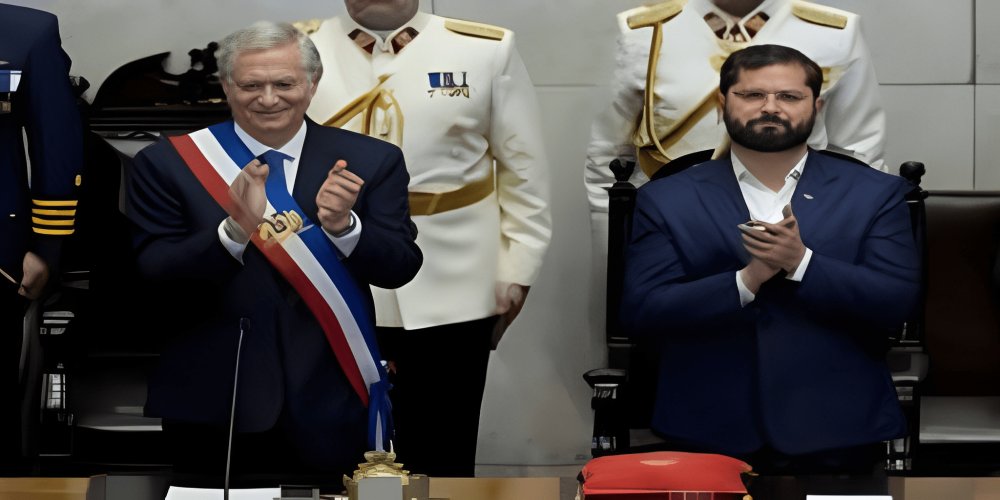
President Gabriel Boric has become one of the central figures appearing in chile politics news today. His administration focuses on social reforms, environmental policies, and economic restructuring aimed at reducing inequality.
Opposition leaders, meanwhile, often challenge government proposals on economic and fiscal grounds. The tension between progressive reform and economic caution remains a recurring theme in Chile’s political landscape.
Constitutional Reform and Political Debate
One of the most significant topics in chile politics news today is constitutional reform. Chile has been engaged in a long process of rewriting its constitution after widespread protests in 2019 demanded political and social changes.
The constitutional reform process aims to replace the constitution originally written during the military regime of Augusto Pinochet. The proposed changes include new protections for social rights, environmental regulations, and indigenous representation.
However, the reform process has faced multiple challenges. Voters rejected earlier draft proposals in national referendums, demonstrating the complexity of reaching consensus on major institutional changes.
Current political discussions revolve around finding a balanced constitution that addresses social demands while maintaining economic stability.
Economic Policy Debates in Chile
Economic policy remains a central topic within chile politics news today. Chile is one of the most economically developed countries in South America, but debates about inequality, wages, and social protections continue to shape political discourse.
Key policy discussions include:
Tax reform proposals aimed at increasing government revenue for social programs
Pension system reforms to improve retirement security
Minimum wage increases and labor protections
Public investment in education and healthcare
Supporters of reform argue that these changes will help reduce inequality and strengthen social welfare systems. Critics, however, warn that excessive government spending could impact economic growth and investment.
Social Movements and Public Protests
Social movements play a significant role in shaping chile politics news today. Large-scale protests have influenced government policies and political debates over the past decade.
The 2019 protests, triggered by a rise in public transportation fares, quickly expanded into broader demonstrations about inequality, healthcare access, education costs, and pension systems.
These protests ultimately led to the constitutional reform process and significant changes in Chile’s political environment.
Even today, public demonstrations occasionally occur around labor rights, environmental issues, and indigenous land disputes. Social activism continues to influence policy discussions and government decisions.
Political Parties and Ideological Divisions
Chile’s political landscape is divided among several major parties and coalitions representing different ideological perspectives.
Left-leaning parties often focus on social welfare expansion, labor protections, and environmental regulations. Right-leaning parties typically emphasize economic growth, business development, and fiscal discipline.
Centrist parties often play a balancing role in legislative negotiations.
These ideological divisions frequently appear in chile politics news today, particularly when controversial policies are debated in Congress or during election campaigns.
Indigenous Rights and Political Representation
Another important topic appearing in chile politics news today is indigenous rights. Chile has several indigenous communities, including the Mapuche people, who have long sought greater recognition and autonomy.
Political debates surrounding indigenous rights include land claims, cultural protections, and representation in national institutions.
The constitutional reform process has attempted to address some of these concerns by proposing stronger protections for indigenous communities. However, disagreements remain regarding the scope and implementation of these policies.
Environmental Policies and Climate Initiatives
Chile is increasingly becoming a global leader in renewable energy and climate policy. Environmental issues frequently appear in chile politics news today, particularly as the country invests in sustainable development.
Government initiatives include:
Expanding solar and wind energy production
Reducing carbon emissions
Protecting natural ecosystems
Developing green hydrogen projects
These policies aim to position Chile as a global leader in clean energy while balancing economic growth and environmental protection.
Environmental debates also arise around mining projects, which are a major part of Chile’s economy but can impact ecosystems and local communities.
Elections and Political Campaigns
Elections are a major driver of chile politics news today. Presidential, parliamentary, and local elections often generate intense public debate and media coverage.
Political campaigns typically focus on issues such as economic policy, social welfare programs, education reform, and public safety.
Chile uses a multi-party system, meaning coalition-building is often necessary to pass legislation or win elections. This dynamic creates complex political negotiations and alliances.
Voter turnout and public engagement have become increasingly important indicators of political legitimacy and democratic participation.
Media and Political Communication
Modern political communication plays a significant role in shaping chile politics news today. Social media platforms, online news outlets, and digital campaigns allow politicians to connect directly with voters.
Political debates now occur not only in traditional media but also across digital platforms. This has increased transparency but has also created challenges related to misinformation and political polarization.
Journalists and analysts closely monitor political messaging, public opinion polls, and government announcements to provide daily updates on Chile’s political developments.
International Relations and Foreign Policy
Chile maintains active diplomatic relationships with countries around the world. Foreign policy topics often appear in chile politics news today, especially when international agreements or regional alliances are discussed.
Chile participates in organizations such as regional economic and trade partnerships. Key areas of international cooperation include trade, climate policy, and regional security.
The country’s export-driven economy makes global trade policies particularly important. Political leaders frequently negotiate agreements related to mining exports, agriculture, and energy resources.
Challenges Facing Chilean Politics
Despite its stable democratic institutions, Chile faces several ongoing political challenges.
Economic inequality remains a major concern for many citizens. Rising living costs, housing shortages, and pension issues continue to drive political debate.
Another challenge is political polarization. As different ideological groups push for competing policy agendas, reaching consensus can be difficult.
Institutional trust has also been tested by corruption scandals and political controversies, making transparency and accountability key priorities for political leaders.
These challenges frequently appear in chile politics news today, as policymakers attempt to address complex social and economic problems.
Future Outlook for Chile’s Political Landscape
Looking ahead, Chile’s political future will likely be shaped by several key factors.
First, the outcome of ongoing constitutional reform discussions will determine the country’s institutional framework for decades to come.
Second, economic policy decisions will influence investment, employment, and public welfare programs.
Third, generational changes in political leadership may bring new perspectives and policy priorities.
As Chile continues to navigate these challenges and opportunities, chile politics news today will remain an important source of information for citizens, analysts, and international observers interested in the country’s evolving political landscape.
Conclusion
Chile’s political environment is dynamic, complex, and deeply connected to social and economic developments. From constitutional reforms and economic policy debates to social movements and environmental initiatives, the country continues to undergo significant political transformation.
Understanding chile politics news today requires attention to both historical context and emerging developments. As new policies are debated and implemented, Chile’s political system will continue to evolve in response to public demands and global challenges.
By following current events and analyzing political trends, observers can gain valuable insight into the forces shaping Chile’s government, society, and future direction.
FAQs
What is the current political situation in Chile?
The current political situation in Chile involves ongoing debates about constitutional reform, economic policies, and social welfare programs. Political leaders and lawmakers are working to address inequality and institutional reforms.
Who is the current president of Chile?
The current president of Chile is Gabriel Boric. His administration focuses on social reforms, environmental policies, and economic changes aimed at reducing inequality.
Why is constitutional reform important in Chile?
Constitutional reform is important because many citizens believe the existing constitution does not adequately address modern social and economic challenges. The reform process aims to create stronger protections for social rights and democratic participation.
What are the major political parties in Chile?
Chile has several political parties across the ideological spectrum, including left-wing, right-wing, and centrist parties that compete in elections and form coalitions in Congress.
What issues dominate chile politics news today?
Major issues include constitutional reform, economic inequality, pension system changes, environmental policies, and debates about indigenous rights and social welfare programs.
How do protests influence politics in Chile?
Public protests have played a major role in shaping political reforms. The 2019 demonstrations led to the constitutional reform process and increased attention to social inequality and public services.
How does Chile’s political system work?
Chile operates as a presidential democracy with a bicameral legislature. The president leads the executive branch while Congress passes laws and oversees government policies.
Leave A Comment
0 Comment