
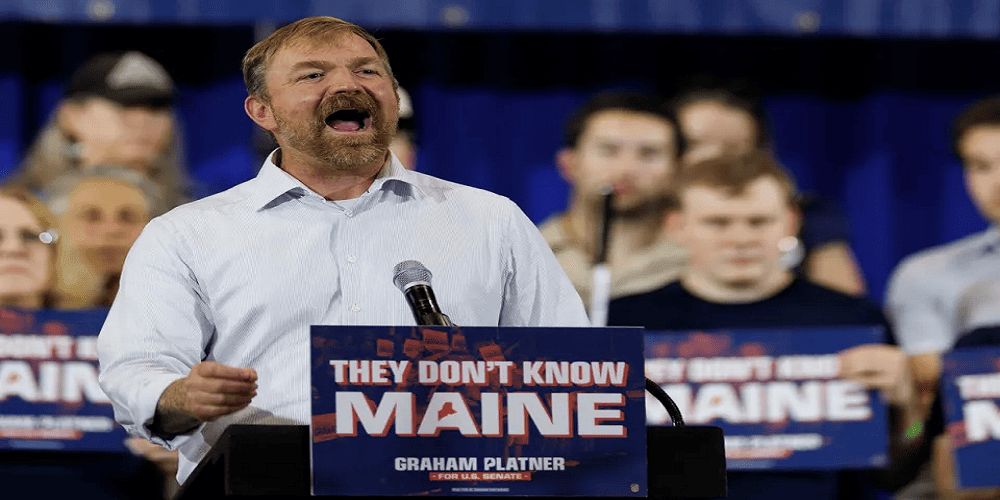
The maine senate election gop spending debate extends far beyond the borders of Maine. Political strategists, campaign donors, advocacy organizations, and voters across the United States often view Maine as a battleground that can influence the balance of power in the U.S. Senate. Because of this importance, Republican spending in the state receives national attention during every competitive election cycle.
As campaign spending continues to increase, questions surrounding transparency, political advertising, voter influence, and campaign finance laws remain central topics. Understanding these factors helps explain why analysts closely monitor every dollar spent during the campaign.
The Role of Political Action Committees
Political Action Committees (PACs) and Super PACs have become significant players in modern Senate elections. During the maine senate election gop spending cycle, these organizations often invest millions of dollars in advertising campaigns, voter outreach, polling, and grassroots mobilization.
Unlike candidate committees, Super PACs can raise unlimited contributions from individuals and organizations, although they cannot directly coordinate campaign strategies with candidates. This structure allows outside groups to influence public opinion while operating independently.
Republican-aligned PACs typically focus their resources on:
- Television advertising
- Digital campaign promotions
- Radio advertisements
- Direct mail campaigns
- Text messaging programs
- Voter registration efforts
- Election-day mobilization
These investments aim to persuade undecided voters and strengthen Republican turnout.
Television Advertising Remains a Powerful Tool
Even with the growth of social media, television advertising continues to consume a significant share of campaign budgets.
During discussions surrounding maine senate election gop spending, television remains one of the most expensive campaign expenses. Political consultants believe televised advertisements still reach large audiences, particularly older voters who consistently participate in elections.
Campaign advertisements generally focus on:
- Economic policy
- Inflation
- Healthcare
- National security
- Energy costs
- Tax policy
- Candidate leadership qualities
Negative advertisements targeting opponents also become increasingly common as Election Day approaches.
Digital Campaign Spending Continues to Grow
Republican campaigns have dramatically expanded their investment in digital outreach over the past several election cycles.
Today's maine senate election gop spending includes substantial investments in:
- Social media advertising
- Online video platforms
- Search engine marketing
- Email fundraising
- Mobile advertising
- Influencer partnerships
- Streaming television advertisements
Digital campaigns allow political organizations to target specific voter groups based on geography, age, interests, and voting history.
This targeted approach often provides a higher return on investment compared to traditional advertising methods.
Grassroots Organizing Still Matters
Although financial resources are important, campaign success depends heavily on volunteers and grassroots engagement.
Republican organizations invest considerable resources in:
- Door-to-door canvassing
- Phone banking
- Community meetings
- Local campaign offices
- Volunteer recruitment
- Neighborhood outreach
- Early voting education
Many political experts believe personal conversations remain one of the most effective methods of persuading undecided voters.
Therefore, maine senate election gop spending frequently includes funding for local campaign infrastructure rather than advertising alone.
Rural and Urban Voting Differences
Maine presents unique electoral challenges because its voters have diverse priorities depending on where they live.
Republican campaigns generally perform strongly in many rural regions where issues such as:
- Agriculture
- Forestry
- Fishing industries
- Small businesses
- Energy costs
- Federal regulations
receive significant attention.
Urban areas may place greater emphasis on:
- Healthcare access
- Affordable housing
- Education
- Climate policy
- Transportation
- Workforce development
Campaign spending reflects these regional differences by tailoring advertisements and messages for specific communities.
Independent Voters Can Decide the Election
One of Maine's defining political characteristics is its large number of independent voters.
Unlike states dominated by one political party, Maine regularly sees independent voters determine election outcomes.
Because of this reality, maine senate election gop spending often targets moderate voters rather than focusing exclusively on Republican supporters.
Campaign messages directed toward independents frequently emphasize:
- Fiscal responsibility
- Bipartisan cooperation
- Economic growth
- Public safety
- Government accountability
Winning independent voters often becomes the deciding factor in closely contested Senate races.
Campaign Finance Transparency
Campaign finance transparency remains an important topic throughout the election season.
Federal election laws require campaigns, party committees, and many political organizations to disclose fundraising and spending activities through official reporting systems.
These reports allow journalists, researchers, and voters to monitor:
- Campaign contributions
- Major donors
- Advertising expenditures
- Vendor payments
- Fundraising totals
- Independent expenditures
Greater transparency helps voters better understand how campaigns are financed.
Media Coverage Influences Public Opinion
National and local news organizations devote extensive coverage to competitive Senate races.
Media reporting on maine senate election gop spending often examines:
- Fundraising records
- Polling results
- Advertising effectiveness
- Debate performances
- Campaign controversies
- Voter turnout projections
Continuous news coverage can shape public perceptions and influence undecided voters throughout the campaign.
Economic Issues Dominate Campaign Messaging
Economic concerns consistently rank among the highest priorities for Maine voters.
Republican campaigns frequently emphasize:
- Inflation
- Job creation
- Energy affordability
- Small business growth
- Tax relief
- Government spending
- National debt
These economic themes often form the foundation of Republican advertising strategies during competitive Senate elections.
Healthcare Remains an Important Issue
Healthcare continues to influence voting decisions across Maine.
Campaigns commonly discuss:
- Prescription drug prices
- Rural healthcare access
- Medicare
- Health insurance affordability
- Mental health services
- Hospital funding
Republican candidates often present alternative healthcare proposals while criticizing existing policies they believe increase costs.
Healthcare messaging remains a significant component of maine senate election gop spending.
The Importance of Early Voting
Campaign organizations increasingly encourage supporters to vote before Election Day.
Republican spending frequently supports:
- Early voting education
- Absentee ballot assistance
- Voter reminders
- Election information campaigns
Early voting strategies help campaigns secure votes before unexpected events influence the election.
Election Day Operations
As Election Day approaches, campaign spending shifts toward voter turnout efforts.
Final-week investments often include:
- Transportation assistance
- Poll worker coordination
- Volunteer deployment
- Election hotline services
- Last-minute advertising
- Text message reminders
These activities can significantly affect turnout in closely contested races.
National Political Implications
The outcome of the maine senate election gop spending battle could influence national politics in several ways.
A Senate seat may determine:
- Committee leadership
- Judicial confirmations
- Federal legislation
- Budget negotiations
- Executive appointments
- National policy priorities
Because Senate control can hinge on only one or two seats, Maine often receives disproportionate national attention compared to its population size.
Future Campaign Spending Trends
Political experts expect future Senate elections to become even more expensive.
Emerging trends include:
- Increased digital advertising
- Artificial intelligence campaign tools
- Advanced voter data analytics
- Personalized campaign messaging
- Expanded online fundraising
- Streaming media advertising
Republican organizations will likely continue adapting their spending strategies as technology evolves.
Challenges Facing Campaign Finance
Campaign finance remains a subject of ongoing debate.
Supporters of increased spending argue that political communication helps inform voters.
Critics contend that excessive financial influence may create unequal opportunities among candidates.
Future reforms could focus on:
- Disclosure requirements
- Donation limits
- Digital advertising transparency
- Foreign influence prevention
- Campaign reporting standards
These discussions are expected to continue regardless of election outcomes.
Conclusion
The maine senate election gop spending story reflects much more than campaign budgets. It highlights how modern elections rely on fundraising, strategic messaging, voter outreach, media engagement, and grassroots organization. Republican investments in advertising, digital communication, volunteer mobilization, and voter education demonstrate the growing complexity of Senate campaigns.
As Maine continues to serve as one of America's most closely watched political battlegrounds, campaign spending will remain a key indicator of party priorities and electoral competitiveness. While financial resources alone cannot guarantee victory, they play a crucial role in helping campaigns communicate their message, reach undecided voters, and build the organization necessary to compete effectively.
Ultimately, the success of any campaign depends not only on how much money is spent but also on how effectively those resources connect with voters and address the issues that matter most to the people of Maine.
FAQs
1. Why is Maine considered important in Senate elections?
Maine is often viewed as a competitive state where election results can influence the balance of power in the U.S. Senate, making it a major focus for both political parties.
2. What does maine senate election gop spending refer to?
It refers to the money spent by Republican candidates, party committees, PACs, and affiliated organizations during a Maine Senate election to support campaign activities and voter outreach.
3. How do Republican campaigns typically spend their campaign funds?
Most spending goes toward television advertising, digital marketing, grassroots organizing, polling, direct mail, campaign staff, and voter turnout efforts.
4. Why are outside political groups involved in Senate elections?
Outside organizations often support candidates through independent expenditures, issue advertising, and voter education campaigns while operating separately from official candidate committees.
5. Does higher campaign spending guarantee victory?
No. Although financial resources help campaigns communicate with voters, election outcomes also depend on candidate quality, public opinion, voter turnout, and current political issues.
6. How can voters track campaign spending?
Campaign finance reports filed with federal election authorities provide information about fundraising, expenditures, and major political contributions.
7. Why do independent voters matter so much in Maine?
Maine has a significant number of independent voters, and their support often determines the outcome of closely contested Senate elections.
Leave A Comment
0 Comment