
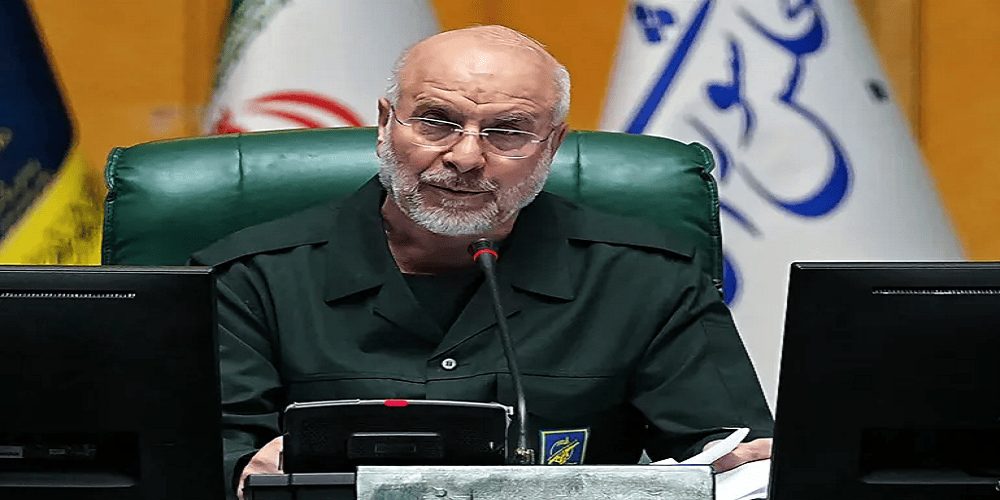
Mohammad Bagher Ghalibaf is one of the most influential political figures in modern Iran. Over the past several decades, he has served in a variety of important positions, including military commander, police chief, mayor of Tehran, and Speaker of the Iranian Parliament. His long career reflects his significant role in shaping Iran's domestic policies, infrastructure development, and political landscape.
Known for his managerial approach and emphasis on modernization, Mohammad Bagher Ghalibaf has often positioned himself as a conservative leader with a practical outlook. While supporters praise his administrative skills and commitment to improving public services, critics have questioned some of his policies and political decisions. Regardless of differing opinions, his impact on Iranian politics remains substantial.
This article explores the life, education, military service, political journey, achievements, controversies, and legacy of Mohammad Bagher Ghalibaf in detail.
Early Life of Mohammad Bagher Ghalibaf
Mohammad Bagher Ghalibaf was born on August 23, 1961, in Torqabeh, a town near Mashhad in northeastern Iran. He grew up in a religious and hardworking family during a period of significant political and social change in the country.
His childhood coincided with events leading up to the Iranian Revolution of 1979. These historical developments greatly influenced his political beliefs and future ambitions. Like many young Iranians of his generation, he became actively involved in revolutionary activities during his youth.
From an early age, Mohammad Bagher Ghalibaf demonstrated leadership qualities. Friends and teachers described him as disciplined, ambitious, and committed to public service. These characteristics later became defining features of his political career.
Education and Academic Background
Despite his demanding political and military responsibilities, Mohammad Bagher Ghalibaf pursued higher education throughout his career.
He studied geography and later specialized in political geography. He eventually earned a doctorate, combining academic research with practical administrative experience.
His educational background helped shape his understanding of urban planning, regional development, transportation systems, and national security. Many observers believe this academic foundation influenced his later work as Mayor of Tehran.
Unlike some politicians who rely solely on political experience, Mohammad Bagher Ghalibaf often highlighted the importance of technical expertise and professional management in government administration.
Military Career During the Iran-Iraq War
The military career of Mohammad Bagher Ghalibaf began shortly after the Iranian Revolution.
When the Iran-Iraq War broke out in 1980, he joined the Islamic Revolutionary Guard Corps (IRGC). The eight-year conflict became one of the defining experiences of his life.
At a relatively young age, Mohammad Bagher Ghalibaf rose through the military ranks due to his leadership abilities and battlefield performance. He eventually commanded several important military units during the war.
His wartime service earned him recognition among conservative political circles. Many of Iran's senior political leaders also built their reputations during this conflict, creating lasting relationships that would influence Iranian politics for decades.
Military service provided Mohammad Bagher Ghalibaf with valuable experience in crisis management, strategic planning, and organizational leadership. These skills later proved useful in both administrative and political positions.
Rise Within the Revolutionary Guard
After the end of the Iran-Iraq War in 1988, Mohammad Bagher Ghalibaf continued serving within the Revolutionary Guard.
Instead of leaving public service, he accepted increasingly important leadership positions.
During the 1990s, he was involved in rebuilding military capabilities while adapting to Iran's changing political and security environment.
His management style emphasized discipline, efficiency, and rapid decision-making. These qualities earned him respect among many senior officials.
As his responsibilities expanded, Mohammad Bagher Ghalibaf gradually became known not only as a military commander but also as an effective administrator capable of managing large organizations.
Commander of the Air Force
One of the major milestones in the career of Mohammad Bagher Ghalibaf came when he became commander of the Revolutionary Guard Air Force.
In this role, he supervised modernization efforts and organizational improvements. Managing advanced military equipment required technical expertise, strategic planning, and strong leadership.
Although military matters remained confidential, observers noted that Mohammad Bagher Ghalibaf focused on improving operational efficiency and institutional professionalism.
His experience commanding complex military organizations strengthened his reputation as an executive capable of handling major national responsibilities.
Appointment as Iran's Police Chief
In 2000, Mohammad Bagher Ghalibaf entered a new phase of public service when he was appointed Chief of Iran's national police.
This appointment marked his transition from military leadership into civilian administration.
As police chief, Mohammad Bagher Ghalibaf introduced several modernization initiatives. He promoted new technologies, improved police training, and encouraged more professional standards within law enforcement.
His administration sought to improve public confidence in policing while expanding traffic management systems and emergency response capabilities.
Many analysts viewed his tenure as an attempt to modernize law enforcement institutions without changing their fundamental structure.
The position significantly increased the national visibility of Mohammad Bagher Ghalibaf, making him one of Iran's best-known public officials.
Entry Into National Politics
After serving as police chief, Mohammad Bagher Ghalibaf decided to pursue elected political office.
He entered the presidential election with a platform focused on efficient government, economic development, and professional management.
Although he did not win the presidency, his campaign attracted considerable attention.
Supporters appreciated his emphasis on practical governance rather than ideological rhetoric.
The presidential campaign established Mohammad Bagher Ghalibaf as an important figure within Iran's conservative political movement.
Even though electoral victory remained out of reach, his political influence continued to grow.
Election as Mayor of Tehran
Perhaps the most significant turning point in the civilian career of Mohammad Bagher Ghalibaf came in 2005 when he was elected Mayor of Tehran.
Tehran, with millions of residents, is one of the largest cities in the Middle East. Managing such a complex metropolitan area requires extensive planning and administrative expertise.
As mayor, Mohammad Bagher Ghalibaf focused heavily on infrastructure development.
His administration invested in expanding highways, improving transportation networks, constructing tunnels, and developing urban facilities.
Public transportation became one of his primary priorities. Under his leadership, Tehran continued expanding its metro system while improving bus services and traffic management.
Supporters argued that Mohammad Bagher Ghalibaf transformed many parts of Tehran through large-scale urban development projects.
Focus on Urban Development
Urban planning became one of the defining aspects of Mohammad Bagher Ghalibaf's mayoral administration.
His government promoted modernization through infrastructure investments designed to improve daily life for residents.
Projects included road construction, public parks, pedestrian areas, bridges, and commercial development.
Environmental concerns also received increased attention during portions of his administration.
Although Tehran continued facing serious challenges such as air pollution and traffic congestion, many observers acknowledged that Mohammad Bagher Ghalibaf significantly expanded the city's infrastructure.
His managerial philosophy emphasized measurable results, project completion, and long-term planning.
Leadership Style
Throughout his career, Mohammad Bagher Ghalibaf has been known for his executive management style.
Rather than focusing exclusively on political speeches, he has often presented himself as a problem-solving administrator.
His supporters describe him as disciplined, decisive, and results-oriented.
They argue that Mohammad Bagher Ghalibaf prefers practical solutions over lengthy political debates and has consistently emphasized efficiency in government operations.
Critics, however, argue that strong executive leadership should always be balanced with transparency and public accountability.
Regardless of differing opinions, his leadership style has remained remarkably consistent across military, police, municipal, and parliamentary positions.
Reputation Among Conservatives
Within Iran's conservative political movement, Mohammad Bagher Ghalibaf is widely regarded as an experienced administrator.
His combination of military service, law enforcement leadership, municipal governance, and parliamentary experience has made him one of the country's most recognizable conservative politicians.
Unlike some ideological figures, Mohammad Bagher Ghalibaf has frequently emphasized economic management, infrastructure development, and administrative reform.
This practical approach has helped him maintain influence across different areas of Iranian public life.
FAQs About Mohammad Bagher Ghalibaf
1. Who is Mohammad Bagher Ghalibaf?
Mohammad Bagher Ghalibaf is an Iranian politician, former military commander, and former mayor of Tehran. He currently serves as the Speaker of the Iranian Parliament (Islamic Consultative Assembly) and is one of Iran's most prominent conservative political figures.
2. When was Mohammad Bagher Ghalibaf born?
Mohammad Bagher Ghalibaf was born on August 23, 1961, in Torqabeh, near Mashhad, Iran.
3. What positions has Mohammad Bagher Ghalibaf held?
Throughout his career, Mohammad Bagher Ghalibaf has held several important positions, including:
- Commander in the Islamic Revolutionary Guard Corps (IRGC)
- Commander of the IRGC Air Force
- Chief of Iran's National Police
- Mayor of Tehran (2005–2017)
- Speaker of the Iranian Parliament (since 2020)
4. Was Mohammad Bagher Ghalibaf involved in the Iran-Iraq War?
Yes. Mohammad Bagher Ghalibaf served in the Islamic Revolutionary Guard Corps during the Iran-Iraq War (1980–1988) and rose through the military ranks due to his leadership and service.
5. What is Mohammad Bagher Ghalibaf known for as Mayor of Tehran?
As Mayor of Tehran, Mohammad Bagher Ghalibaf was known for focusing on infrastructure development, expanding the metro system, improving transportation networks, constructing highways and tunnels, and promoting urban modernization projects.
6. What political ideology does Mohammad Bagher Ghalibaf follow?
Mohammad Bagher Ghalibaf is generally associated with Iran's conservative political movement. He is known for emphasizing strong governance, economic development, administrative efficiency, and national security.
7. Has Mohammad Bagher Ghalibaf run for president?
Yes. Mohammad Bagher Ghalibaf has participated in multiple Iranian presidential elections. Although he has campaigned several times, he has not been elected president.
8. Why is Mohammad Bagher Ghalibaf an important figure in Iranian politics?
Mohammad Bagher Ghalibaf is considered an influential leader because of his extensive experience in military service, law enforcement, municipal administration, and national politics. His long public career has made him one of the most recognized and influential conservative politicians in Iran.
Leave A Comment
0 Comment