
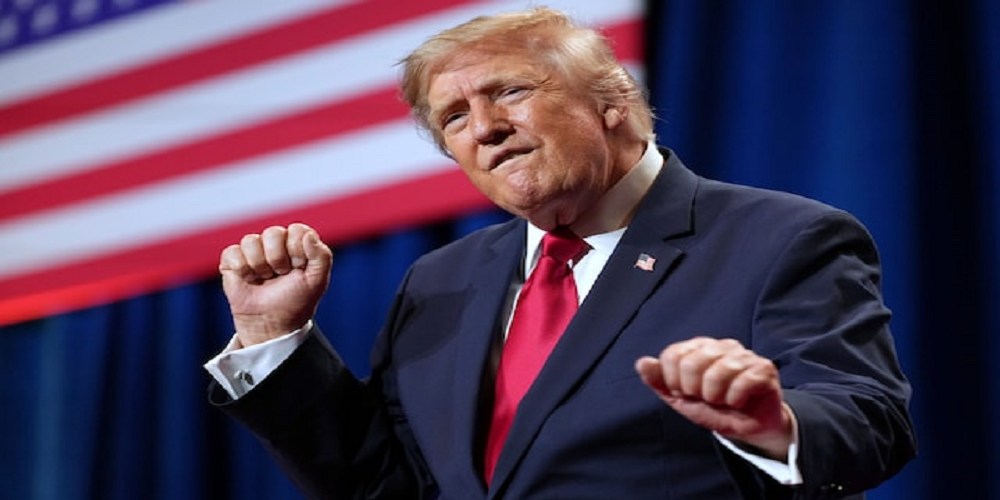
The phrase Trump BBC discovery order pause has become a major talking point in the ongoing legal dispute between Donald Trump and the British Broadcasting Corporation. On August 6, 2026, a federal judge temporarily halted an order that would have required Trump’s revocable trust to begin turning over extensive financial information to the BBC.
The development does not end the lawsuit, and it does not mean that Trump has won the underlying defamation case. Instead, the Trump BBC discovery order pause temporarily stops enforcement of an earlier discovery ruling while the court considers Trump’s request to amend his lawsuit.
The dispute is connected to a $10 billion defamation lawsuit Trump filed against the BBC over a 2024 Panorama documentary that edited portions of his January 6, 2021 speech. Trump argues that the editing created a misleading impression about what he said before the Capitol attack. The BBC has apologized for the editing but continues to dispute Trump’s legal claims.
The latest ruling is important because financial discovery had become one of the most significant parts of the case. The BBC wanted financial information to examine Trump’s claim that the documentary caused substantial damage to his businesses, properties and brand.
Here is what the Trump BBC discovery order pause means, why the financial records matter and what could happen next.
What Is the Trump BBC Discovery Order Pause?
The Trump BBC discovery order pause refers to a temporary court decision stopping enforcement of a previous discovery order involving Trump’s revocable trust.
A discovery order is part of the pretrial process in a civil lawsuit. During discovery, both sides can request documents, financial records, communications and other evidence that may be relevant to their claims or defenses.
In this case, the BBC sought financial information connected to Trump’s businesses because Trump is seeking billions of dollars in damages. The BBC's position is that if Trump claims the documentary caused enormous financial harm, it should be allowed to examine evidence that could establish whether such harm actually occurred.
A magistrate judge previously ordered the Trump Revocable Trust to produce information connected to hundreds of entities. Trump’s team objected to the breadth of the request and sought emergency relief.
Judge Roy Altman subsequently paused enforcement of that order while considering Trump’s effort to amend his complaint. The court’s decision means the immediate disclosure requirement is temporarily suspended rather than permanently cancelled.
That distinction is important when understanding the Trump BBC discovery order pause.
The pause does not decide whether the BBC will eventually receive the records. It simply gives the court time to determine whether changes to Trump's lawsuit could affect the relevance and scope of the requested financial discovery.
Why Is Trump Being Asked for Financial Records?
The financial records are connected to the damages Trump is seeking from the BBC.
Trump's lawsuit seeks as much as $10 billion in damages. His claims include allegations that the BBC's documentary harmed his reputation and affected the value of his brand and business interests.
Because the lawsuit includes claims involving financial injury, the BBC argues that financial evidence is relevant.
The broadcaster has sought information concerning Trump's businesses and other entities connected with the trust. The discovery dispute therefore goes beyond a simple disagreement about the documentary itself.
The BBC wants to understand whether the alleged broadcast caused measurable financial damage.
Trump's legal team has argued that the discovery requests are too broad and seek highly sensitive information. They have also sought to change the lawsuit so that the claims focus more heavily on reputational harm rather than broad financial losses.
That proposed change is one of the central reasons behind the Trump BBC discovery order pause.
If Trump changes the damages claims, some of the financial information requested by the BBC could become less relevant.
Background of the Trump and BBC Lawsuit
The dispute began with a BBC Panorama documentary involving Trump's January 6 speech.
The program used separate sections of Trump's speech and presented them together in a way that critics argued could give viewers the impression that Trump directly encouraged supporters to use violence.
Trump argued that the editing was deceptive and defamatory.
The BBC later acknowledged that the editing was an error of judgment and apologized. However, the broadcaster has maintained that the legal standard for defamation has not been met.
Trump subsequently filed a lawsuit seeking billions of dollars in damages.
The case is being handled in the U.S. District Court for the Southern District of Florida. Court records identify the case as Trump v. British Broadcasting Corporation et al., case number 1:2025cv25894.
The lawsuit has produced a series of legal disputes over jurisdiction, discovery and the evidence that each side must provide.
Earlier in 2026, the court rejected a request by the BBC to halt merits-based discovery. The court also set a February 2027 trial date.
That history makes the latest Trump BBC discovery order pause particularly significant.
Why Does the BBC Want Information About More Than 400 Entities?
One of the most important parts of the current dispute concerns the large number of business entities connected with Trump's trust.
The BBC's argument is straightforward: if Trump claims that the documentary caused billions of dollars in financial damage to his businesses and brand, then evidence concerning those businesses can help determine whether the claimed damages are realistic.
The Trump side, however, has argued that the discovery requests are excessively broad and include sensitive information that may not be necessary to resolve the case.
The requested information reportedly covers tax, ownership and financial records connected with approximately 400 entities.
Trump's legal team has also argued that once confidential financial information is handed over, the disclosure cannot simply be undone.
That concern became part of the emergency request that led to the Trump BBC discovery order pause.
What Did the Judge Decide?
Judge Roy Altman temporarily stayed enforcement of the earlier discovery order.
The judge's decision came after Trump's trust filed an emergency motion asking the court to prevent the BBC from receiving the requested information while the court considers a proposed amendment to Trump's complaint.
The court found sufficient reason to temporarily pause enforcement.
The key point is that the judge did not rule that the BBC is permanently barred from seeking the financial information.
Instead, the court is considering whether Trump's proposed changes to his lawsuit could alter the need for the financial discovery.
According to current reporting, the stay applies to the initial production requirement as well as continuing production requirements under the earlier discovery order.
Therefore, the Trump BBC discovery order pause should be understood as a procedural decision rather than a final ruling on the merits of the defamation case.
Why Does Amending the Lawsuit Matter?
A major issue in the case is the relationship between Trump's damages claims and the BBC's discovery requests.
If Trump continues to seek enormous financial damages based on alleged harm to his businesses, the BBC has a strong argument that detailed financial records are relevant.
But if Trump changes his complaint and significantly narrows the damages he is seeking, the justification for some of the BBC's financial requests could change.
This is why Trump's proposed amendment is so important.
The Trump BBC discovery order pause gives the court an opportunity to determine the scope of discovery after considering the proposed amended complaint.
In simple terms, the question is whether the evidence the BBC is requesting is still necessary after Trump changes what he is asking the court to award.
Did Trump Win the BBC Lawsuit?
No.
The Trump BBC discovery order pause does not mean Trump has won his lawsuit against the BBC.
The underlying defamation claims remain unresolved.
The court has not ruled that the BBC defamed Trump, nor has it awarded Trump damages.
Likewise, the pause does not mean the BBC has lost its defense.
The legal dispute remains active, and the court will continue considering motions and discovery issues before the scheduled trial.
This distinction is important because headlines about a “pause” can sometimes make a procedural ruling sound like a final victory.
It is not.
The latest development is primarily about discovery and the timing of document production.
What Does Discovery Mean in a Civil Lawsuit?
Discovery is the process through which parties collect evidence before trial.
It can involve several types of information, including emails, contracts, financial records, text messages, documents and answers to written questions.
The purpose is to allow both sides to understand the evidence that may be presented at trial.
Discovery can become complicated when one side argues that a request is too broad, irrelevant or excessively burdensome.
That is what has happened in the Trump-BBC dispute.
The BBC believes financial information is important because Trump has claimed substantial financial harm.
Trump's side believes the BBC's requests go too far and involve confidential information that should not be disclosed unnecessarily.
The Trump BBC discovery order pause temporarily puts that particular dispute on hold.
Why Is the $10 Billion Figure Important?
The $10 billion figure is one of the most important elements of the lawsuit.
Trump has sought billions of dollars in damages over the alleged harm caused by the BBC documentary.
The larger the claimed damages, the more important financial evidence becomes.
For example, if a plaintiff claims that a media report caused billions of dollars in lost business value, the defendant can reasonably seek evidence showing how that loss was calculated.
The defendant may want to examine business performance before and after the alleged wrongdoing, valuation information, ownership structures and other evidence.
That is why the BBC has argued that financial discovery is relevant.
At the same time, Trump is attempting to reshape the lawsuit in a way that could reduce the importance of those financial records.
This conflict is at the center of the Trump BBC discovery order pause.
BBC's Position in the Case
The BBC has acknowledged that the editing of Trump's speech was an error and apologized.
However, the broadcaster has continued to reject Trump's legal claims.
The BBC has argued that the lawsuit should be dismissed on several grounds, including arguments concerning jurisdiction and damages.
Earlier in 2026, the BBC sought to have the lawsuit dismissed and also requested that discovery be paused while its dismissal arguments were considered. A federal judge rejected that request at the time.
The BBC has therefore been required to participate in the broader litigation process while continuing to defend itself against Trump's claims.
The latest Trump BBC discovery order pause is a different situation because the immediate stay concerns the production of Trump's financial records rather than stopping the entire lawsuit.
Trump's Position in the Case
Trump argues that the BBC's documentary unfairly edited his speech and created a misleading impression about his words.
His lawsuit alleges that the documentary caused significant reputational and financial harm.
Trump's legal team has challenged the BBC's discovery requests, particularly where they involve large amounts of confidential financial information.
The emergency motion was important because the first production deadline was approaching.
Trump's trust argued that providing the records before the court reviewed the objections could create harm that could not be reversed.
The judge ultimately granted temporary relief.
That is the immediate reason the Trump BBC discovery order pause is attracting attention.
Could the BBC Still Get Trump's Financial Records?
Yes.
The pause is temporary.
The court still has to consider Trump's proposed amended complaint and the objections surrounding discovery.
Depending on what happens next, the court could reinstate the discovery order, modify it or decide that certain requests are no longer necessary.
The final outcome could depend heavily on the exact damages claims Trump ultimately maintains.
If financial damages remain a major part of the lawsuit, the BBC could continue arguing that financial records are essential.
If the claims are narrowed substantially toward reputational injury, some financial discovery may become less relevant.
Therefore, the Trump BBC discovery order pause should not be interpreted as a permanent shield around Trump's financial information.
What Happens Next?
The next important step is the court's consideration of Trump's request to amend his complaint.
If the amendment is accepted, the court may reconsider what evidence is relevant.
The parties could then return to the discovery dispute with a narrower set of questions.
If the amendment is rejected, the earlier discovery order could potentially become enforceable again, subject to any further objections or appeals.
The broader lawsuit is still expected to move toward trial. Court records previously set a jury trial for February 15, 2027, with a calendar call scheduled for February 9, 2027.
That means the current Trump BBC discovery order pause is only one stage in a much larger legal process.
Why the Case Matters Beyond Trump and the BBC
The case could have implications for media organizations and public figures involved in high-profile defamation disputes.
For media companies, the lawsuit raises questions about how editing decisions can affect legal exposure when reporting on political speeches.
For public figures, it demonstrates how damages claims can lead to extensive discovery into business and financial information.
A plaintiff seeking significant financial damages may have to provide substantial evidence supporting those claims.
The case also highlights the importance of discovery in civil litigation.
Even when a lawsuit begins with a dispute over a television program, the legal process can eventually involve financial records, corporate structures, communications and other material that appears far removed from the original broadcast.
What Is the Main Issue Behind the Pause?
At its core, the dispute is about proportionality and relevance.
The BBC says that financial information is needed because Trump is claiming enormous financial losses.
Trump says the BBC's requests are too broad and expose confidential information unnecessarily.
Trump is also seeking to modify his complaint.
The judge has temporarily paused enforcement because the proposed amendment could change the relevance of the requested records.
That is the central idea behind the Trump BBC discovery order pause.
The court is essentially giving itself time to determine what the lawsuit will actually require before forcing the trust to continue producing sensitive information.
Is the Trump BBC Case Over?
No.
The case remains active.
The discovery dispute is ongoing, the parties continue to fight over the scope of evidence and the underlying defamation claims have not been decided.
The Trump BBC discovery order pause is therefore not a dismissal and not a final judgment.
The case could still proceed toward trial in 2027 unless the court dismisses it, the parties reach a settlement or another major legal development changes the schedule.
What Could the Pause Mean for the BBC?
For the BBC, the temporary pause creates another delay in obtaining financial evidence.
The broadcaster believes those records could help challenge Trump's damages claims.
If Trump narrows his complaint, the BBC may have to adjust its discovery strategy.
However, the BBC can still defend its position that financial information is relevant to the damages Trump has claimed.
The broadcaster's previous legal filings have emphasized that the lawsuit should not allow excessively broad discovery into its own operations while Trump seeks substantial damages.
The eventual scope of discovery will likely depend on how the court resolves Trump's proposed amendment.
What Could the Pause Mean for Trump?
For Trump, the immediate effect is that the requested financial records do not have to be produced under the paused order while the court considers the next legal step.
That gives his legal team additional time.
It also creates an opportunity to narrow the claims that produced the broad discovery dispute.
However, the pause does not eliminate the possibility that financial records could eventually be required.
If the court determines that the information remains relevant, discovery could resume.
Trump will therefore still need to address the underlying evidence supporting his lawsuit.
Trump BBC Discovery Order Pause Explained Simply
For readers looking for a simple explanation, the Trump BBC discovery order pause can be summarized in a few points.
Trump sued the BBC for billions of dollars over the editing of his January 6 speech.
The BBC wants financial information because Trump claims the documentary caused significant damage to his businesses and brand.
A magistrate judge ordered Trump's trust to provide extensive financial information.
Trump objected and sought emergency relief.
His lawyers are also trying to amend the lawsuit and narrow the damages claims.
A federal judge temporarily paused enforcement of the discovery order while considering that proposed amendment.
The lawsuit itself continues.
The pause does not mean Trump won the case, and it does not mean the BBC has been cleared of liability.
Frequently Asked Questions
What is the Trump BBC discovery order pause?
The Trump BBC discovery order pause is a temporary court decision stopping enforcement of an order requiring Trump's revocable trust to provide extensive financial information to the BBC. The pause allows the court to consider Trump's proposed changes to his lawsuit.
Why does the BBC want Trump's financial records?
The BBC argues that the financial records are relevant because Trump is seeking billions of dollars in damages and alleges that the documentary harmed his businesses and brand.
Did the judge dismiss Trump's lawsuit?
No. The Trump BBC discovery order pause does not dismiss the lawsuit. The underlying case remains active.
Did Trump win his case against the BBC?
No. The judge has not ruled on the underlying defamation claims. The latest decision concerns discovery and temporarily stops enforcement of a financial-records production order.
How much money is Trump seeking from the BBC?
Trump's lawsuit seeks up to $10 billion in damages based on allegations related to the BBC's editing of his January 6, 2021 speech.
Why is the January 6 speech important?
The lawsuit centers on how the BBC edited portions of Trump's January 6 speech for a Panorama documentary. Trump argues that the editing created a misleading impression about his remarks.
Did the BBC apologize?
Yes. The BBC previously acknowledged that the editing was an error of judgment and apologized, while continuing to dispute Trump's legal claims.
Is the discovery order permanently cancelled?
No. The Trump BBC discovery order pause is temporary. The court will consider the proposed amendment and determine what discovery should continue.
Could Trump still have to provide financial information?
Yes. If the court determines that the financial information remains relevant to Trump's damages claims, discovery could resume or be modified.
When could the Trump-BBC case go to trial?
The court previously scheduled a jury trial for February 15, 2027, although litigation developments can change schedules.
Why is the discovery dispute important?
Discovery could determine what evidence each side has available before trial. Financial records may be especially important because Trump's lawsuit involves substantial claims for damages.
Does the pause end the BBC's legal problems?
No. The BBC still faces Trump's defamation lawsuit. The broadcaster continues to defend itself and has argued that the case should be dismissed.
Conclusion
The Trump BBC discovery order pause is an important procedural development in one of the most closely watched media-related lawsuits involving Donald Trump.
The immediate issue is not whether Trump will ultimately win or whether the BBC will ultimately be held liable. Instead, the current dispute concerns what financial information Trump must provide and whether those records remain relevant after his legal team seeks to change the lawsuit.
The judge's temporary pause gives the court time to evaluate that issue before confidential financial records are produced.
The larger case remains alive. Trump continues to accuse the BBC of defamation over its editing of his January 6 speech, while the BBC maintains that the lawsuit lacks a valid legal basis.
As the court considers the proposed amended complaint, the scope of discovery could change significantly. Financial information may remain central if Trump continues to pursue substantial business-related damages, while a narrower focus on reputation could reduce the need for some of the requested records.
Leave A Comment
0 Comment