
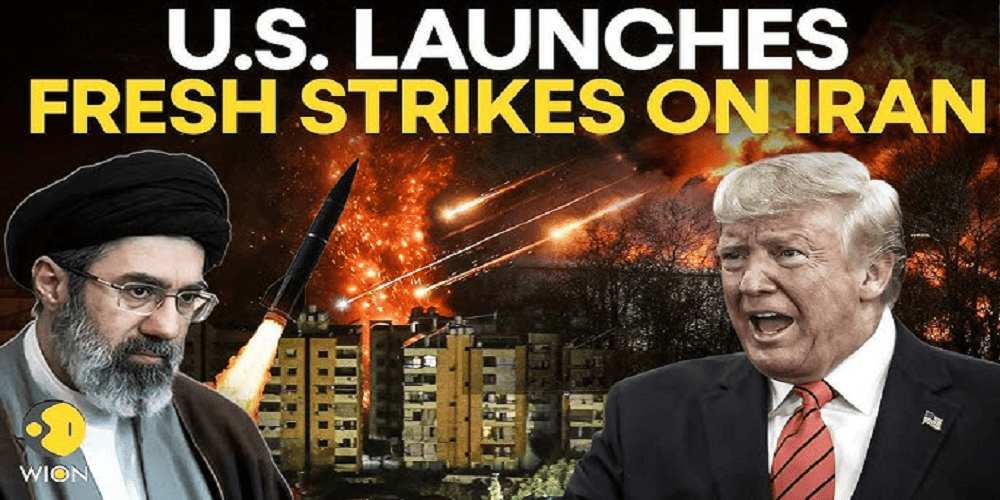
The topic of “US strikes on Iran” has once again become one of the most discussed international issues in global politics. The growing tensions between the United States and Iran have raised fears of a wider conflict in the Middle East. Military operations, airstrikes, political warnings, and diplomatic negotiations are all shaping the current situation.
In recent developments, the United States carried out military strikes targeting Iranian positions and military infrastructure. American officials described the operations as defensive actions meant to protect US troops and regional allies. Iran, however, strongly criticized the attacks and warned of serious consequences. (The Washington Post)
The phrase “US strikes on Iran” is now being searched heavily because people around the world want to understand why these attacks happened, what caused the conflict, and whether the situation could lead to a larger war.
Background Behind US Strikes on Iran
The relationship between the United States and Iran has been tense for decades. The conflict dates back to the 1979 Iranian Revolution, when diplomatic ties between the two countries collapsed. Since then, sanctions, military confrontations, and political disagreements have continued.
The latest US strikes on Iran are connected to disputes over Iran’s military activities, nuclear ambitions, and regional influence. American officials claim that Iran-backed groups and Iranian military forces threatened US personnel and military assets in the Middle East.
Reports indicate that American forces targeted missile launch sites and vessels allegedly involved in laying mines near the Strait of Hormuz. (New York Post)
The Strait of Hormuz is one of the most important oil shipping routes in the world. Any disruption in this region can affect global energy markets and fuel prices.
Why Did the US Launch Strikes on Iran?
There are several reasons behind the recent US strikes on Iran. According to US officials, the attacks were conducted in response to threats against American troops and military operations in the Gulf region.
American military leaders stated that Iranian forces were preparing missile systems and naval activities that posed risks to US warships and aircraft. (The Washington Post)
Another major factor involves Iran’s nuclear program. The United States has repeatedly accused Iran of increasing uranium enrichment beyond agreed limits. Washington believes Iran’s nuclear activities could eventually support weapon development, while Tehran insists its nuclear program is peaceful.
The conflict also involves regional alliances. The United States supports several Middle Eastern allies, including Israel and Gulf nations, while Iran supports armed groups across the region.
Because of these competing interests, even small military incidents can quickly escalate into larger confrontations.
Military Operations and Targets
The US strikes on Iran reportedly targeted military infrastructure in southern Iran and strategic coastal areas. American officials described the operations as limited and defensive.
Some of the reported targets included:
- Missile launch systems
- Naval vessels
- Air defense positions
- Military facilities near the Strait of Hormuz
According to reports, the strikes were carried out with precision weapons to avoid civilian casualties. (The Guardian)
Iranian media confirmed explosions in several regions but accused the United States of violating international law and regional stability.
The US military emphasized that the strikes were intended to protect American forces rather than begin a full-scale war.
Iran’s Response to the Attacks
Iran strongly condemned the US strikes on Iran and warned that any further aggression would face retaliation.
Iranian officials accused Washington of escalating tensions and interfering in regional affairs. Military commanders in Iran stated that the country is prepared to defend itself against any foreign attacks.
Iran also increased military readiness following the strikes. Reports suggested heightened security measures near important military bases and strategic waterways.
In past confrontations, Iran has responded through missile launches, proxy groups, and cyber operations. Many experts believe Tehran may avoid direct large-scale war but continue indirect pressure against American interests in the region.
Impact on Global Oil Prices
One of the biggest concerns after the US strikes on Iran is the effect on oil markets. The Middle East produces a large portion of the world’s oil supply, and any conflict in the region creates fears of disruption.
The Strait of Hormuz is especially important because millions of barrels of oil pass through it every day. If shipping routes become unsafe, oil prices can rise sharply.
Following reports of military activity, global markets closely monitored the situation. Analysts warned that prolonged conflict could increase fuel prices worldwide. (Reuters)
Countries dependent on imported oil are particularly worried about instability in the Gulf region.
International Reactions
The international community reacted quickly to the US strikes on Iran. Different countries expressed concern about the possibility of a wider war.
Some Western allies supported America’s right to defend its troops and military assets. Others called for restraint and diplomatic negotiations.
Countries such as China and Russia criticized military escalation and urged both sides to avoid further violence.
The United Nations also emphasized the need for peace talks and regional stability. International leaders fear that continued attacks could destabilize the Middle East and create economic uncertainty across the globe.
The Role of Israel in the Conflict
Israel remains an important factor in tensions between the United States and Iran. Israeli leaders have long viewed Iran as a major security threat because of its missile programs and support for armed groups in the region.
Reports suggest that coordination between the United States and Israel increased during recent military operations. (USNI News)
Iran has repeatedly accused Israel of supporting attacks on its military infrastructure and nuclear facilities.
The involvement of Israel adds another layer of complexity to the conflict because any escalation could affect neighboring countries and trigger broader regional instability.
Nuclear Tensions and Diplomatic Challenges
Iran’s nuclear program remains one of the central reasons behind the ongoing crisis. The United States has pushed for strict controls on uranium enrichment and international inspections.
Previous agreements attempted to limit Iran’s nuclear activities in exchange for sanctions relief. However, disagreements over enforcement and compliance weakened those arrangements.
Recent US strikes on Iran have complicated diplomatic negotiations. Although talks continue in some locations, trust between the two countries remains extremely low. (The Washington Post)
American officials say diplomacy is still possible, but military pressure may continue if threats persist.
Iran, meanwhile, insists that sanctions and military actions must end before meaningful progress can happen.
Risk of a Wider Middle East War
Many security analysts fear that continued US strikes on Iran could trigger a larger regional conflict.
The Middle East already faces multiple security challenges involving armed groups, border tensions, and political instability. If direct fighting between the United States and Iran intensifies, neighboring countries could become involved.
Possible risks include:
- Missile attacks on military bases
- Disruption of oil shipping routes
- Cyberattacks
- Regional proxy conflicts
- Increased instability in Gulf countries
Military experts warn that even limited strikes can create unpredictable consequences.
Public Opinion in the United States
American public opinion on military action against Iran remains divided.
Some citizens believe the United States must respond strongly to protect its forces and allies. Others fear another prolonged conflict in the Middle East.
Polls and political debates show disagreement over whether military action will improve regional security or worsen tensions. (Reddit)
Critics argue that military escalation could drain resources and increase risks for American troops overseas.
Supporters believe strong action is necessary to deter threats and maintain strategic stability.
Economic Consequences Beyond Oil
The economic effects of the US strikes on Iran extend beyond energy markets.
Global investors often react cautiously during geopolitical crises. Stock markets, shipping industries, and international trade can all face uncertainty.
Airlines may reroute flights to avoid conflict zones, increasing operational costs. Insurance premiums for ships traveling through the Gulf region may also rise.
If tensions continue, businesses and economies worldwide could feel the impact.
Media Coverage and Information Warfare
The conflict between the United States and Iran is also playing out in media and online platforms.
Both sides use official statements, television broadcasts, and social media to shape public opinion. Conflicting reports sometimes make it difficult to verify events immediately.
News coverage of US strikes on Iran has dominated international headlines because the situation affects global security and energy markets.
Experts recommend following reliable international news organizations for accurate updates.
Historical Context of US-Iran Conflict
The recent US strikes on Iran are part of a much longer history of confrontation.
Major moments in US-Iran tensions include:
- The 1979 hostage crisis
- Economic sanctions
- Naval clashes in the Gulf
- Cyber warfare accusations
- The killing of Iranian military leaders
- Disputes over nuclear development
Over the years, both countries have alternated between diplomatic negotiations and military threats.
Despite occasional attempts at reconciliation, distrust remains deeply rooted.
Can Diplomacy Prevent Further Conflict?
Diplomatic efforts continue despite the rising tensions. Several countries and international organizations are trying to encourage dialogue between Washington and Tehran.
Negotiations often focus on:
- Nuclear restrictions
- Regional security
- Sanctions relief
- Maritime safety
- Prisoner exchanges
However, diplomacy faces major challenges because both sides demand concessions before making compromises.
The success of negotiations may determine whether future US strikes on Iran continue or whether tensions gradually decrease.
Future Outlook
The future of the conflict remains uncertain. Military activity, political pressure, and diplomatic negotiations are happening simultaneously.
Experts believe several possible outcomes could emerge:
- Limited military confrontation
- Extended diplomatic talks
- Economic pressure through sanctions
- Regional proxy conflicts
- Temporary ceasefire agreements
The situation can change quickly depending on political decisions and military developments.
For now, the world continues watching closely as tensions between the United States and Iran remain high.
Conclusion
The issue of US strikes on Iran has become one of the most important global security concerns in recent times. The conflict involves military operations, nuclear tensions, regional alliances, and economic risks.
The United States says its actions are defensive and necessary to protect troops and allies. Iran argues that the strikes violate international law and threaten regional peace.
As diplomatic talks continue alongside military activity, the possibility of escalation remains a serious concern for the international community.
The coming weeks and months will likely determine whether the crisis moves toward negotiation or deeper confrontation. For millions of people worldwide, the outcome could affect not only regional stability but also global economic and political conditions.
FAQs
What are the recent US strikes on Iran about?
The recent US strikes on Iran were military operations targeting Iranian missile sites, naval vessels, and military infrastructure. The United States said the strikes were defensive actions meant to protect American troops and regional security.
Why is the Strait of Hormuz important in this conflict?
The Strait of Hormuz is one of the world’s most important oil shipping routes. Any conflict in this area can disrupt global oil supplies and increase fuel prices worldwide.
Did the US strikes target nuclear facilities?
Some previous operations reportedly involved Iranian nuclear-related sites, but recent strikes mainly focused on military and naval targets linked to security threats. (Congress.gov)
How did Iran respond to the attacks?
Iran condemned the attacks, increased military readiness, and warned that future aggression could face retaliation.
Could the US-Iran conflict lead to a larger war?
Many analysts believe there is a risk of wider regional conflict if tensions continue escalating. However, diplomatic negotiations are still ongoing to avoid full-scale war.
How do US strikes on Iran affect oil prices?
Military tensions in the Gulf region often increase oil prices because traders fear disruptions to shipping routes and energy supplies.
What role does Israel play in the conflict?
Israel is a close ally of the United States and strongly opposes Iran’s military and nuclear activities. Israeli security concerns are closely connected to the broader regional tensions.
Are diplomatic talks still happening?
Yes, negotiations between the United States and Iran continue through international mediators, although progress remains difficult. (Reuters)
Leave A Comment
0 Comment