
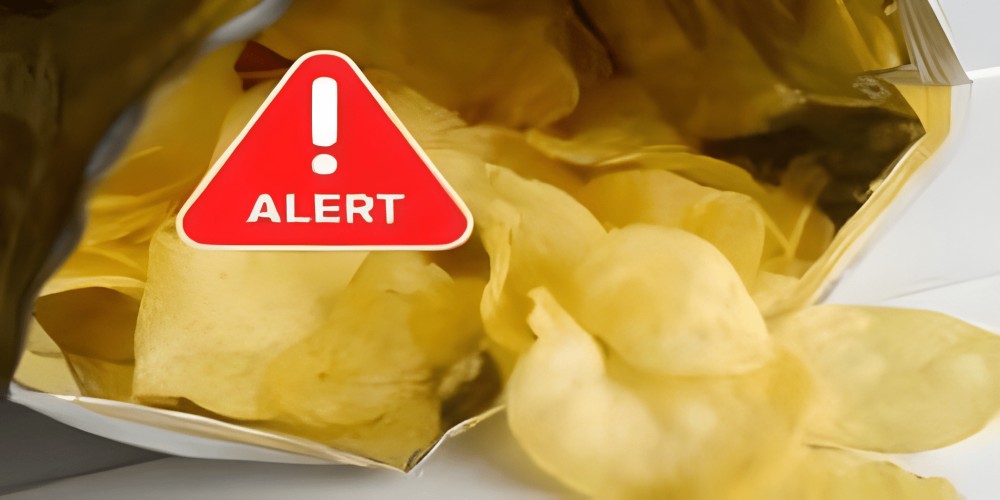
It started like any other week for snack lovers in the American Northeast and Mid-Atlantic. People grabbed their familiar yellow bags of UTZ potato chips for lunches, picnics, and late-night cravings. Then the news broke. The words "utz potato chip recall salmonella" started showing up on phone screens and television tickers. What followed was a complicated and concerning chapter in food safety history. This incident pulled back the curtain on how bacteria can find its way into foods that most folks assume are safe.
The first hint of a problem came from inside an UTZ production facility. Routine swab tests on processing equipment picked up something unwelcome. The lab report confirmed the presence of salmonella. That discovery set off alarms throughout the company. For a brand that had been making snacks for nearly a hundred years, the situation quickly became a race against time. The utz potato chip recall salmonella investigation had to move fast to protect public health.
Within days, UTZ Quality Foods made a difficult choice. They issued a voluntary recall on multiple potato chip products. The affected chips came from a single facility during a three week production window. Those products had already reached grocery stores, corner shops, and vending machines across twelve states. The voluntary nature of the move showed that the company wanted to do the right thing. But that did not stop worry from spreading among customers. The phrase utz potato chip recall salmonella became a hot search term as people rushed to check their pantries.
The recall involved about one and a half million bags of chips. That number represented a serious financial blow. But the money lost was only part of the damage. The utz potato chip recall salmonella situation hurt a brand loyalty that had taken decades to build. Many customers had grown up eating those chips at family gatherings and sports events. Now they had to wonder if a simple snack could make them sick. That emotional shift from trust to doubt is hard to measure but very real for a food company.
Why did salmonella appear in potato chips to begin with? That question puzzled many people. Most folks associate salmonella with raw chicken, runny eggs, or unwashed vegetables. Dry snack foods like chips are not supposed to carry this kind of risk. But the utz potato chip recall salmonella case proved that no product is completely safe from contamination. The likely causes included tainted seasoning powders or cross contamination during the packaging stage. Salmonella can survive for a long time in low moisture environments. Once it gets into equipment crevices, it can spread to thousands of bags before anyone catches it.
If a person eats contaminated chips, symptoms usually appear within six hours to six days. The most common signs include diarrhea, fever, stomach cramps, and sometimes vomiting. A healthy adult typically recovers in less than a week without any special treatment. However, the utz potato chip recall salmonella outbreak posed a bigger threat to young kids, elderly people, pregnant women, and anyone with a weak immune system. For those groups, an infection can become severe. It may lead to serious dehydration, blood infections, and in very rare cases, death. Health officials urged anyone who felt sick after eating recalled chips to call a doctor.
Pulling all those bags off store shelves created a logistical headache. UTZ had to contact every retailer that carried their products. They set up a dedicated hotline for worried customers. They published detailed lists of batch numbers and best by dates across multiple platforms. The utz potato chip recall salmonella notices went out through the FDA recall database, company press statements, and social media posts. Consumers were told to throw away any matching chips or bring them back to stores for a full refund. The affected production line shut down for several weeks while crews performed deep cleaning and sanitization. Outside food safety experts came in to verify that the equipment was truly clean again.
Legal trouble followed quickly. Lawyers filed multiple class action lawsuits against UTZ. People who got sick claimed the company had been careless with quality control. The utz potato chip recall salmonella lawsuits asked for money to cover medical bills, lost work time, and the pain people went through. UTZ denied any wrongdoing but chose to settle most of these cases. They wanted to avoid long court battles that would keep the story in the news. Legal experts said the total settlement amounts likely reached millions of dollars, though the exact numbers stayed private.
The financial pain went beyond UTZ itself. Grocery stores and small corner shops lost money on chips they had to throw away. Some customers stopped buying any snacks during the recall period. The utz potato chip recall salmonella crisis also hurt potato farmers who supplied the affected factory. When production slowed down, orders for raw potatoes dropped. That meant less income for agricultural workers. The whole situation showed how one contamination event can send shockwaves through a whole supply chain.
Government regulators took a close look at what went wrong. The FDA launched a full investigation into UTZ food safety practices. They examined everything from how ingredients were sourced to how packaging areas were cleaned. The final utz potato chip recall salmonella report pointed to two main problems. First, the equipment cleaning schedules were not frequent enough. Second, environmental monitoring for bacteria was not thorough enough. UTZ had to agree to a series of corrective actions. These included more regular salmonella testing, upgraded sanitation tools, and better training for workers on preventing contamination. If the company failed to follow through, they could face fines or even a shutdown of operations.
The public relations challenge was enormous. UTZ tried hard to save its reputation. Company leaders issued apologies and promised to cooperate fully with health authorities. They started a marketing campaign focused on the new safety steps they were taking. The utz potato chip recall salmonella communication plan included direct mail to loyalty program members, online ads explaining the recall, and television interviews with executives. Despite all this effort, customer trust took a serious hit. Sales numbers showed a drop of about thirty percent in the months right after the recall. Many snack buyers switched to other regional brands or national names like Lay's.
What lessons did the snack industry learn from this event? Quite a few, as it turns out. Food manufacturers started testing dry ingredients more often for salmonella. This was especially true for spices and seasonings, which sometimes come from farms in countries where contamination risks are higher. Equipment makers also changed their designs. Newer production lines now have fewer hard to clean crevices where bacteria can hide. The utz potato chip recall salmonella case is now a teaching tool in food science classes. It shows how a single weak point in cleaning protocols can cause a major crisis.
Regular people also learned something important from this recall. Many consumers had always thought that processed snacks were safe because they get cooked at high heat. But the utz potato chip recall salmonella situation showed that contamination can happen after cooking. The danger can come during the seasoning step or while bags are being sealed. Food safety experts now recommend that everyone pay attention to recall notices, even for products they have eaten for years without problems. Simple habits like signing up for FDA email alerts or checking recall databases can make a real difference.
Looking at the long term picture for UTZ, the story is mixed. The company survived the crisis but came out changed on the inside. New leaders took over key positions. The quality control department grew larger. Money spent on food safety went up significantly. The utz potato chip recall salmonella episode ended up costing the company over fifty million dollars when you add up recall expenses, legal settlements, and lost sales. Still, UTZ kept a loyal group of customers, especially in the Mid Atlantic and Northeast where the brand is a local favorite. A slow recovery has been helped by honest conversations about improved safety measures and some well targeted sales promotions.
How does this recall compare to others? Most large salmonella outbreaks are linked to peanut butter, raw chicken, or fresh produce. A recall of potato chips challenged what experts thought they knew about bacterial risks. The utz potato chip recall salmonella case also stood out because the company acted voluntarily. They called regulators as soon as they found possible contamination. That is different from some past recalls where companies delayed telling the public, which made the health risks worse. Food safety advocates gave UTZ credit for moving quickly, even while criticizing the conditions that allowed the bacteria to appear in the first place.
News coverage changed as the story developed. Early reports focused on warning people and explaining health risks. Later articles looked at how the brand was recovering. Business writers examined stock prices and market share. Investigative reporters eventually published deeper pieces about problems in the snack food industry. They looked at how hard it is to keep a factory perfectly clean when millions of pounds of food move through every day. This long lasting attention kept UTZ in the news for months, which was not always good for business.
What about the health outcomes? Fortunately, things were not as bad as many people first feared. The CDC later confirmed thirty seven cases of salmonella infection linked to the utz potato chip recall salmonella outbreak. Out of those, twenty two people needed medical care. Five had to stay in the hospital. No one died. While any sickness is sad, the numbers could have been much worse. Health officials believe that most contaminated bags got pulled off shelves before anyone ate them. Or the bacteria levels might have been too low to make most people sick. The quick recall likely stopped a much larger outbreak from happening.
A lesser known part of the story involves whistleblowers. Some reports suggest that a quality control worker at the factory raised concerns about strange test results several days before the official recall. The company eventually confirmed those concerns were valid, but at first the response was not very serious. This situation shows why food companies need a workplace culture where safety worries can be spoken out loud without fear of punishment. After the recall, UTZ changed its internal reporting rules. Now lower level employees can bring safety issues directly to senior leaders if they feel their immediate managers are not listening.
Since UTZ products were mostly sold inside the United States, the international effects were small. However, the utz potato chip recall salmonella incident did trigger questions from food safety officials in Canada and Mexico. Some recalled batches had crossed borders through secondary distribution channels. Those countries ended up doing their own small recalls. Global food safety networks shared information about the situation to prevent contaminated products from spreading further.
Looking ahead, this event will likely be remembered as a turning point. It proved that no food category is completely safe from bacterial contamination. It showed that customer trust is fragile and takes a long time to rebuild. UTZ has since invested in high tech traceability systems using blockchain. These tools let the company follow ingredients from the farm all the way to the finished package with much better accuracy. If another contamination event ever happens, these systems would allow for very targeted recalls. Only the exact products at risk would be pulled, instead of the wide ranging recalls seen in this case.
Short FAQs
Which products were part of the recall?
The recall covered several UTZ potato chip flavors including original, barbecue, sour cream and onion, and salt and vinegar. The affected products came in family size bags, single serve snack packs, and variety packs. Consumers were told to check batch numbers and best by dates against the official recall notice posted on the FDA website.
How can someone know if their chips are recalled?
Look at the production code and best by date printed on the bag. Compare that information with the numbers listed in the recall announcement. If the code matches any of the affected batches, do not eat the chips. If the packaging is already gone but the chips were bought during the recall time frame, it is safest to assume they might be affected.
What steps should a person take after eating recalled chips?
Watch for symptoms like diarrhea, fever, and stomach cramps. These usually show up between six hours and six days after eating the contaminated food. If any symptoms develop, call a healthcare provider and mention the recalled chips. Most healthy people get better on their own, but children, older adults, and those with weak immune systems should see a doctor quickly.
Can salmonella really survive on potato chips?
Yes, it can. Even though chips go through high heat cooking, contamination usually happens after that step. The trouble comes during seasoning or when bags are being sealed. The dry nature of chips does not kill salmonella. It just stops the bacteria from growing. Once swallowed, the bacteria can become active in the stomach and intestines.
What compensation is available for people who got sick?
People with confirmed salmonella infections linked to the recall might qualify for compensation through class action settlements or individual claims. Covered costs typically include medical bills, prescription medicine, wages lost during illness, and other related expenses. Contact the claims administrator listed in the recall settlement notice or speak with a food safety lawyer for guidance.
Did the government fine UTZ for this incident?
The FDA did not impose direct cash penalties. However, UTZ had to sign a formal agreement promising to upgrade food safety protocols. The company also faced large costs from the recall itself, facility cleaning, and legal settlements. Several state attorneys general negotiated separate agreements that required better safety reporting and consumer notification procedures.
How long did the full investigation take?
The initial discovery and recall announcement happened within one week of finding the contamination. The complete regulatory investigation took about four months. That included environmental sampling, equipment inspections, and a deep review of company records. The final FDA report came out six months after the recall first started.
Are UTZ chips safe to eat now?
Yes. The company carried out extensive corrective actions. They deeply cleaned all production equipment, installed new salmonella testing protocols, and provided enhanced training for employees. The affected production line stayed shut for weeks and only restarted after independent food safety auditors confirmed the contamination was gone. No new illnesses have been linked to UTZ products since the recall ended.
What other snack foods have been recalled for salmonella in the past?
Other examples include various nut products, crackers, pretzels, potato chips from other brands, and seasoned popcorn. Snack foods were once seen as very low risk for bacterial contamination. But a growing number of recalls have changed that view. The UTZ case stands out because of its size and the brand's strong regional following.
How can consumers stay updated on future recalls?
The FDA keeps a searchable recall database on its website. Anyone can sign up for email alerts about new recalls. The USDA also sends out notices for meat, poultry, and egg products. Many grocery stores offer recall alert services through their loyalty programs. Several food safety phone apps can scan product barcodes and check recall status instantly.
Was this an isolated problem or part of a bigger pattern?
UTZ had not faced a salmonella recall this large before. But the incident does reflect broader challenges in snack food safety. As supply chains become more complex and ingredients come from many different countries, contamination risks increase. This recall, along with similar events at other snack makers, has pushed the whole industry to review sanitation practices.
What should a store do with recalled chips still on shelves?
Retailers were told to remove all affected products from their shelves immediately. The chips must be held for return to UTZ or disposed of properly following FDA rules. Selling recalled products is against the law and can result in penalties. Any customer who sees recalled chips on a store shelf after the recall date should tell store management and report the issue to the FDA.
How does the size of this recall compare to other major food recalls?
The UTZ recall was moderate in size compared to huge events like the 2009 peanut corporation recall that involved thousands of different products. But for a potato chip maker specifically, this recall was unusually large. The thirty seven confirmed illnesses put it in the middle range of salmonella recalls. Some outbreaks have caused hundreds of sicknesses, while others have caused none.
Can reheating or cooking recalled chips make them safe to eat?
No. Reheating the chips is not a reliable way to kill salmonella. The chips are already fully cooked, and putting them back in the oven may not reach the temperatures needed to destroy bacteria. Also, contamination likely happened after cooking, so the germs are on the surface rather than inside. The only safe action is to throw away recalled chips or return them for a refund.
Leave A Comment
0 Comment