
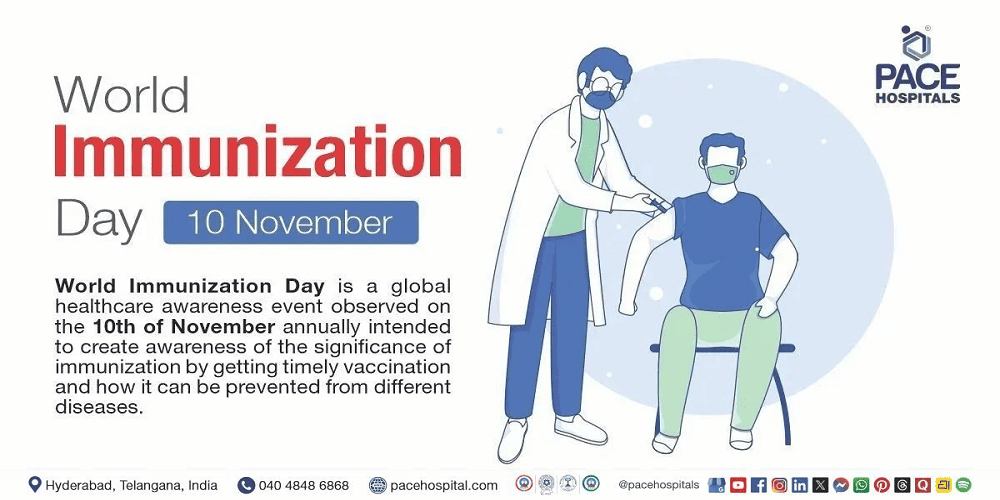
Immunizations represent one of the most significant public health achievements in human history. The practice of intentionally introducing a weakened or inactive form of a pathogen to stimulate the body’s immune response has saved millions of lives, eradicated diseases, and allowed societies to flourish. Despite the overwhelming scientific consensus on their value, questions and misconceptions about immunizations persist. This comprehensive guide will explore the science, benefits, and schedule of immunizations, followed by a detailed FAQ section to address common concerns. Understanding immunizations is not just a medical necessity but a social responsibility. The decision to receive recommended immunizations affects not only individual health but also the well-being of entire communities, particularly the most vulnerable members such as infants, the elderly, and those with compromised immune systems.
The Science Behind Immunizations
To appreciate the value of immunizations, one must first understand how the human immune system operates. When foreign invaders such as bacteria or viruses enter the body, the immune system produces proteins called antibodies to fight them. This process, known as the primary immune response, can take several days or even weeks. During this time, the pathogen may cause severe illness, permanent damage, or death. However, the immune system has a remarkable memory. After fighting off an infection, it retains a small number of memory cells that are primed to recognize that specific pathogen.
Immunizations leverage this natural memory system. By introducing an antigen a substance that triggers an immune response without causing the disease itself, immunizations mimic a natural infection. The body responds by producing antibodies and memory cells, just as it would if it were fighting the real disease. The key difference is that the person never has to suffer through the illness. This artificial acquisition of immunity is both safe and highly effective. Different types of immunizations exist, including live-attenuated vaccines which use a weakened form of the germ, inactivated vaccines which use a killed version, subunit vaccines which use only specific pieces of the pathogen, and mRNA vaccines which provide genetic instructions for the body to produce a harmless spike protein that the immune system learns to attack.
The Concept of Herd Immunity
One of the most powerful outcomes of widespread immunizations is herd immunity, also known as community immunity. Herd immunity occurs when a significant portion of a population becomes immune to an infectious disease, thereby providing indirect protection to those who are not immune. The threshold for herd immunity varies by disease. For highly contagious illnesses like measles, approximately 95 percent of the population must be immune to prevent outbreaks. When coverage through immunizations falls below this threshold, the disease can spread rapidly through the community.
Herd immunity is particularly critical for individuals who cannot receive immunizations for legitimate medical reasons. This group includes newborns who are too young for certain vaccines, pregnant women in some cases, patients undergoing chemotherapy, organ transplant recipients, and individuals with severe allergies to vaccine components. These vulnerable people rely entirely on the immunity of those around them. When healthy individuals choose to forgo immunizations, they are not simply endangering themselves; they are breaking the chain of protection that shields the most susceptible members of society. Outbreaks of diseases like whooping cough and measles in recent years have been directly linked to pockets of low immunization coverage.
The Immunization Schedule
Public health authorities such as the World Health Organization, the Centers for Disease Control and Prevention, and national immunization technical advisory groups have carefully designed immunization schedules to provide protection at the earliest possible age while the immune system is most responsive. These schedules are not arbitrary. They are based on rigorous scientific study of disease epidemiology, vaccine efficacy, and safety data. Delaying immunizations leaves children vulnerable during the period when they are most at risk for severe complications from vaccine-preventable diseases.
The routine childhood immunization schedule typically begins at birth with a dose of the Hepatitis B vaccine. At two months, a combination vaccine such as DTaP protects against diphtheria, tetanus, and pertussis (whooping cough), along with vaccines for Haemophilus influenzae type b, pneumococcus, and polio. At four and six months, booster doses are administered. The first measles, mumps, and rubella vaccine is usually given at twelve to fifteen months, followed by a second dose at four to six years. Additional immunizations for chickenpox, hepatitis A, rotavirus, and human papillomavirus are given according to specific age recommendations. Adults also require immunizations, including an annual influenza vaccine, a tetanus-diphtheria booster every ten years, and the shingles vaccine for older adults.
Common Misconceptions About Immunizations
Despite decades of scientific evidence supporting the safety and efficacy of immunizations, several myths persist. The most notorious false claim was published in 1998 by Andrew Wakefield, who suggested a link between the measles, mumps, and rubella vaccine and autism. This study was later found to be fraudulent, the lead author lost his medical license, and the journal that published the paper retracted it. Subsequent large-scale studies involving millions of children have consistently found no connection between any vaccine and autism. Unfortunately, the damage caused by this disinformation continues to affect immunization rates worldwide.
Another common misconception is that natural immunity acquired through infection is superior to vaccine-induced immunity. While it is true that natural infection often produces a robust immune response, the cost of acquiring that immunity is unacceptably high. Natural infection with measles can lead to pneumonia, encephalitis, or death. Natural infection with polio causes paralysis in a small percentage of cases. Natural infection with rubella during pregnancy can result in severe birth defects. Immunizations provide the benefit of immunity without the devastating risks of the disease itself. The concept that a mild vaccine reaction is somehow worse than a full-blown illness is contradicted by every principle of medical risk assessment.
A third misconception involves the belief that vaccine-preventable diseases had already disappeared before immunizations were introduced due to improved hygiene and sanitation. While hygiene certainly reduced the burden of diseases like cholera and typhoid, it had little effect on highly contagious respiratory and contact-transmitted diseases. Analysis of disease incidence data clearly shows that sharp declines in measles, mumps, pertussis, and polio occurred precisely when immunizations were introduced and widely adopted. In countries where immunization programs have collapsed due to conflict or misinformation, these diseases quickly return with devastating consequences.
Safety Monitoring and Adverse Events
The safety of immunizations is continuously monitored through multiple redundant systems. Before a vaccine is licensed for public use, it undergoes three phases of clinical trials involving thousands of participants. These trials assess safety, appropriate dosing, and efficacy. Even after a vaccine is approved, post-marketing surveillance continues indefinitely. Systems such as the Vaccine Adverse Event Reporting System in the United States allow healthcare providers and the public to report any health problem that occurs after immunization, regardless of whether it is believed to be caused by the vaccine. This passive surveillance system is complemented by active surveillance systems like the Vaccine Safety Datalink, which monitors health records of millions of individuals.
Serious adverse reactions to immunizations are extremely rare. The most common reactions are mild and temporary, including soreness at the injection site, low-grade fever, fussiness in infants, and fatigue. Severe allergic reactions, known as anaphylaxis, occur at a rate of approximately one per million doses. Contraindications to specific immunizations are well-documented. For example, individuals with a history of severe allergic reaction to a previous dose of a vaccine should generally not receive additional doses. Immunocompromised individuals should not receive live vaccines such as the measles-mumps-rubella or varicella vaccines. However, these contraindications affect a very small percentage of the population and do not diminish the overall safety profile of immunizations.
Frequently Asked Questions About Immunizations
Question 1: At what age should children begin receiving immunizations, and why is the schedule so aggressive?
Children should begin receiving immunizations at birth with the Hepatitis B vaccine. The schedule appears aggressive because the first two years of life are the period of greatest vulnerability to infectious diseases. Newborns and infants have immature immune systems and are at the highest risk for severe complications and death from vaccine-preventable illnesses. Whooping cough in a newborn can be fatal. Measles in an infant under one year of age is more likely to lead to hospitalization. The immunization schedule does not overload the immune system. In fact, infants are exposed to countless antigens from the environment every day. The total number of antigens in the entire childhood immunization schedule is a tiny fraction of what an infant encounters through normal breathing, feeding, and touching.
Question 2: Are immunizations safe for pregnant women and their unborn babies?
Some immunizations are specifically recommended during pregnancy because they protect both the mother and the infant. The tetanus, diphtheria, and pertussis vaccine is routinely given during the third trimester of each pregnancy. This allows the mother to produce antibodies that cross the placenta and provide passive immunity to the newborn during the first two months of life before the infant can receive its own pertussis immunization. The influenza vaccine is also safe and recommended during any trimester of pregnancy because pregnant women are at higher risk for severe complications from flu. Live virus vaccines such as the measles-mumps-rubella vaccine and the varicella vaccine are contraindicated during pregnancy as a theoretical precaution, but accidental administration before pregnancy recognition has not been shown to cause harm.
Question 3: What are the most common side effects of immunizations, and when should a parent seek medical help?
The most common side effects are mild and resolve on their own within one to three days. These include redness, swelling, or tenderness at the injection site, which occurs in up to 80 percent of recipients. Low-grade fever occurs in up to 20 percent of children after some immunizations. Fussiness, decreased appetite, and fatigue are also common. Parents should contact a healthcare provider if a fever exceeds 105 degrees Fahrenheit, which is extremely rare, or if a child cries inconsolably for more than three hours. Seizures associated with fever, known as febrile seizures, can rarely occur after vaccines like the measles-mumps-rubella vaccine but do not cause long-term harm. Signs of a severe allergic reaction including hives, swelling of the face or throat, difficulty breathing, or a rapid heartbeat require immediate emergency medical attention, though such reactions happen in less than one per million doses.
Question 4: Why are booster doses necessary for many immunizations?
Booster doses are necessary because the immune response to some immunizations wanes over time. For example, the pertussis component of the DTaP vaccine provides excellent protection for approximately five to ten years, after which protection declines. This is why adolescents and adults receive a Tdap booster. Tetanus immunity also fades, requiring a booster every ten years. Other vaccines, such as the measles-mumps-rubella vaccine, provide long-lasting immunity after two doses and do not typically require boosters. Understanding the duration of protection is an active area of research. Scientists measure antibody levels in vaccinated populations over decades to determine when and if booster doses are needed. Some newer vaccines, including certain pneumococcal and meningococcal conjugate vaccines, appear to provide more durable protection than earlier formulations.
Question 5: Can immunizations cause the diseases they are intended to prevent?
This question applies only to live-attenuated vaccines, which contain a weakened form of the virus or bacterium. In extremely rare cases, individuals with severely compromised immune systems may develop a mild version of the disease from a live vaccine. For example, the oral polio vaccine, which is no longer used in most countries, could rarely cause paralytic polio in immunocompromised recipients or their close contacts. The rotavirus vaccine can cause a mild, self-limited diarrheal illness in some infants. However, inactivated vaccines such as the influenza shot which uses a killed virus, the Hepatitis B vaccine, and the human papillomavirus vaccine cannot cause the disease because they contain no live pathogen. The mRNA COVID-19 vaccines cannot cause COVID-19 because they contain no virus at all, only genetic instructions for a single harmless protein. Any symptoms occurring after immunization are typically the result of the normal immune response, not the disease itself.
Question 6: What is the difference between public health recommendations for immunizations and legal requirements for school entry?
Public health recommendations from bodies like the Advisory Committee on Immunization Practices represent the best scientific guidance for preventing disease and protecting individual and community health. These recommendations apply to all people regardless of school attendance. Legal requirements for school entry are state or national laws that mandate certain immunizations as a condition of attending school or licensed childcare facilities. These laws are grounded in the same scientific evidence as the recommendations but include allowances for medical exemptions only in some jurisdictions, and for religious or philosophical exemptions in others. When exemption rates are high, schools become vectors for disease transmission. Outbreaks of measles in recent years have repeatedly occurred in schools with high rates of non-medical exemptions. From a public health perspective, school entry requirements have been extraordinarily effective at maintaining high immunization coverage and preventing disease.
Question 7: Why do adults need immunizations beyond childhood, and which ones are most important?
Adults need immunizations for several reasons. First, immunity from childhood vaccines can wane. Second, adults become eligible for new vaccines developed specifically for older age groups, such as the shingles vaccine. Third, some vaccines like the influenza vaccine are reformulated annually to match circulating virus strains. The most important adult immunizations include the annual influenza vaccine for all adults, the Tdap booster every ten years for tetanus and diphtheria with at least one dose containing pertussis, the shingles vaccine for adults aged fifty and older, the pneumococcal vaccines for adults aged sixty-five and older or those with certain medical conditions, and the human papillomavirus vaccine for adults through age twenty-six who were not previously immunized. Pregnant women should receive Tdap during each pregnancy. Adults with chronic conditions such as diabetes, heart disease, or chronic lung disease have additional vaccine recommendations.
Question 8: What should someone do if they have missed or delayed recommended immunizations?
Missing or delaying recommended immunizations does not require restarting a series from the beginning. The immune system responds appropriately to vaccines regardless of the interval between doses. For example, if a child missed the four-month dose of a vaccine but receives it at six months, the series continues from that point. No doses need to be repeated. The catch-up schedule published by health authorities provides specific guidance for every delayed situation. Adults who lost their immunization records do not need to have antibody tests drawn in most cases. Unintentional repeat doses of inactivated vaccines are safe. For live vaccines, blood tests can determine immunity if the person is uncertain. The most important action is to start the process of catching up rather than delaying further. Healthcare providers are equipped to determine the appropriate schedule based on age, prior doses received, and specific vaccine products available in the region.
Conclusion
Immunizations stand as a pillar of modern medicine, preventing millions of deaths annually and protecting societies from the scourge of infectious diseases that terrorized previous generations. The decision to participate in immunization programs is both a personal health choice and a community obligation. The scientific evidence is unequivocal: immunizations are safe, effective, and necessary for maintaining public health. By understanding the mechanisms of immunity, respecting the rigorous safety monitoring systems, and addressing questions with accurate information, individuals can make informed decisions that protect themselves, their families, and their communities. The eradication of smallpox and the near-eradication of polio demonstrate what humanity can achieve through collective commitment to immunizations. Continuing that legacy requires ongoing education, accessible healthcare services, and a foundation of trust between healthcare providers and the public they serve.
Leave A Comment
0 Comment