
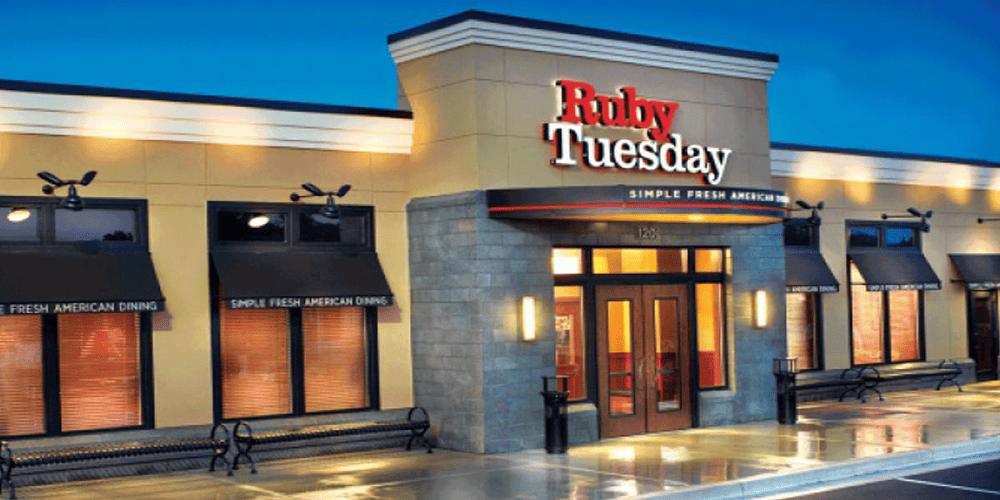
In the pantheon of popular culture, few names carry a duality as fascinating as "Ruby Tuesday." Utter the phrase, and one person might immediately hum the melancholic yet uplifting baroque-pop melody of a 1967 Rolling Stones hit. Another might crave a salad bar trip or a classic burger. This unique intersection of high art and commercial enterprise makes Ruby Tuesday a singular phenomenon. It is a name that represents both the ephemeral, untamable spirit of the 1960s counterculture and the gritty, bottom-line reality of the American casual dining industry. To understand Ruby Tuesday is to explore a story of muse, music, and mammon—a tale of how a goodbye song became a greeting to millions of diners.
The Muse Behind the Music
The story of Ruby Tuesday begins not in a boardroom or a test kitchen, but in the turbulent, creative haze of 1960s London. By 1966, The Rolling Stones had evolved from scrappy blues purists into global rock stars, but with fame came internal fractures and intense personal pressures. It was during this period that guitarist Keith Richards, the band's notoriously durable riffmaster, found himself captivated by a woman who would embody the very essence of freedom.
Her name was Linda Keith. A stunningly beautiful British model with a sharp wit and an unquenchable thirst for new experiences, Linda was more than just a girlfriend to Richards; she was a kindred spirit. However, she was also restless. While Richards was often lost to heroin addiction, Linda drifted further into the bohemian underbelly of the city. She was the kind of person who could not be tied down by domesticity or routine . Richards, watching her slip away from him—reportedly toward the burgeoning guitar virtuoso Jimi Hendrix—penned a goodbye that was less an accusation and more a solemn tribute.
In a Los Angeles hotel room, Richards composed the skeletal structure of "Ruby Tuesday." It was a departure from the band’s usual gritty, blues-driven sound. Instead of electric bravado, the song was built on a haunting melody, a harpsichord-like piano line, and perhaps most iconically, a recorder solo played by founder Brian Jones . The lyrics frame the narrative of a man who has loved and lost a woman he simply cannot hold.
She would never say where she came from.
Yesterday don't matter if it's gone.
From the opening lines, the "Ruby Tuesday" character is established as a creature of the present. She is unburdened by biography or regret. When Mick Jagger, who sang the lyrics with uncharacteristic vulnerability, asks, "Who could hang a name on you? When you change with every new day," he is articulating a central paradox of the free spirit . To name something is to cage it, to define its boundaries. Yet, her name is all he has left. The song is a eulogy for a relationship that died not because of cruelty, but because of an irreconcilable difference between the need for stability and the lust for total autonomy.
Keith Richards later confirmed in his autobiography, Life, that the song was specifically about his struggles with Linda Keith. The "chained to a life where nothing's gained and nothing's lost" line speaks directly to the boredom of conventional existence that she rejected . Ironically, while the song is a farewell, it became an anthem for those who identified with Ruby’s refusal to conform. It hit number one on the Billboard Hot 100 in March 1967, becoming an enduring staple of classic rock radio .
From Track to Table: The Birth of a Restaurant Chain
For the next five years, "Ruby Tuesday" existed purely as art. But in 1972, five years after the song’s release and 4,000 miles away from the London scene, a young finance major at the University of Tennessee named Sandy Beall was about to change the name's trajectory forever.
Beall was an ambitious entrepreneur. After managing Pizza Hut franchises, a business partner left him a $10,000 endowment to start his own venture . Pooling resources with four fraternity brothers, Beall was searching for a catchy, memorable name for his new concept—a casual spot near campus that would serve good food and drinks to students. According to lore, Beall was not particularly a Rolling Stones fan. The defining moment came from one of his fraternity brothers who suggested, "Why don’t you name it Ruby Tuesday?" .
The logic was sound. The song was popular, recognizable, and evoked a sense of youthful, free-wheeling energy. It suggested a party, a specific day of the week associated with going out, and a touch of rock-and-roll rebellion. The first Ruby Tuesday restaurant opened adjacent to the University of Tennessee campus in Knoxville. It was an immediate hit, capturing the burgeoning market for "casual dining"—a space between fast food and expensive steakhouses .
For a decade, Beall grew the chain methodically. By 1982, with 16 locations under his belt, he sold the company to Morrison Inc. for $15 million, staying on to lead the division . Under Beall’s continued guidance, Ruby Tuesday exploded. It became a national player, defined by its consistent menu, friendly service, and a specific design aesthetic that came to define suburban America in the 1990s and 2000s. The name "Ruby Tuesday" became divorced from its melancholic origins for a huge segment of the population. For kids growing up in the 90s, Ruby Tuesday wasn’t a sad girl in a Rolling Stones song; it was the place you went after a soccer game for the salad bar and a tallcake.
The Dining Experience: Burgers, Bars, and a Garden of Fresh Greens
To understand the restaurant chain’s success, one must look at the specific mechanics of the brand. Ruby Tuesday carved out a niche in the crowded casual dining sector by focusing on specific differentiators that, for a time, set it apart from competitors like TGI Fridays or Applebee’s.
The most iconic element was the "Fresh Garden Bar." Before the era of health-conscious fast-casual chains like Sweetgreen, Ruby Tuesday offered a sprawling buffet of leafy greens, vegetables, cheeses, and pre-mixed salads. It was a destination point. Many patrons visited specifically to build their own salads, and for years, the Garden Bar was a loss leader that drove traffic into the stores . The brand emphasized "fresh, never frozen" hamburgers and chicken, a selling point that resonated with consumers growing wary of processed food .
Menu evolution tells the story of the chain’s attempts to stay relevant. In the early 2000s, the menu was heavy on Tex-Mex options and classic fried appetizers. As culinary trends shifted, Ruby Tuesday underwent significant overhauls. By the late 2000s, the menu began featuring Asian Dumplings, Thai Phoon Shrimp, and entrees like Chicken Piccata and Herb Crusted Tilapia . This fusion approach was an attempt to elevate the brand beyond the "hodgepodge" of burgers and fries, signaling to diners that they could get a bistro-quality meal in a casual setting.
The restaurant design mirrored this shift. The original Ruby Tuesday locations were dark, covered in eclectic memorabilia and Tiffany-style lamps. In a major rebranding effort starting in 2007, the company stripped away the clutter, introducing "urbane earth-toned colors" and original artwork to create a more sophisticated, "contemporary" vibe . Despite these efforts, the chain faced the brutal headwinds of the 2010s. As fast-casual concepts like Chipotle and Panera offered higher quality at lower price points, the "sit-down" casual dining model began to creak.
The Fall and Rebirth: Bankruptcy and Survival
The story of Ruby Tuesday in the 21st century mirrors the fate of many mall-adjacent American chains. Overexpansion, shifting consumer tastes toward local and healthy options, and crushing debt loads took a toll. In October 2020, the COVID-19 pandemic—which decimated indoor dining—delivered a perhaps fatal blow. Ruby Tuesday filed for Chapter 11 bankruptcy protection .
The restructuring was brutal. The company announced it would permanently close 185 underperforming locations. This shrank the empire from a peak of nearly 1,000 locations worldwide to a leaner, more focused operation. For a time, it seemed the chain might go the way of the song’s subject—disappearing into the mist. However, as of 2021 and beyond, the brand emerged from bankruptcy under new ownership, operating roughly 200 locations, a fraction of its former size but stable .
Today, Ruby Tuesday (the restaurant) survives not as the juggernaut it once was, but as a nostalgic fixture for the American South and Midwest. It no longer tries to compete with the speed of fast-casual or the trendiness of farm-to-table. Instead, it leans into the comfort of consistency. For a traveler on an interstate highway, a Ruby Tuesday sign still promises a reliable burger, a decent bar, and that famous salad bar. It has become a piece of roadside Americana.
The Juxtaposition: Art vs. Commerce
The brilliance of the "Ruby Tuesday" brand lies in the cognitive dissonance it creates. The Rolling Stones song is, at its core, a sad, beautiful admission of defeat. It is about the pain of loving someone who values freedom over connection. "Goodbye, Ruby Tuesday," Jagger sighs. "Still I’m gonna miss you."
The restaurant, however, is about gathering. It is about connection, chain restaurant birthday dinners, and the reliable comfort of a loaded baked potato. The restaurant is the chains Ruby (in the song) refuses to wear. It represents the very "life where nothing’s gained and nothing’s lost" that the lyrical subject runs away from. It is a safe, predictable space.
The name was suggested by a fraternity brother, not an ad agency. Bob Hope—yes, the comedian—has also been erroneously credited with the suggestion in some myths . But the random nature of the naming fits the ethos of the late 60s/early 70s. It was a cultural shortcut. By naming a restaurant after a song about a girl who "comes and goes," Beall inadvertently captured the fleeting nature of the restaurant industry itself.
Conclusion
Whether you are a classic rock purist who air-drums to Brian Jones’ recorder solo, or a hungry traveler who just wants a plate of Southwestern Spring Rolls, Ruby Tuesday means something to you. The longevity of the term is rare. It bridges the generation gap between the baby boomers who bought the 45 RPM single and the millennials who remember getting a free kids' meal with a good report card.
Ruby Tuesday, both the song and the restaurant, endures because they tap into two different human desires. The song taps into our desire for the untouchable—the muse who is beautiful precisely because she will leave. The restaurant taps into our desire for the tangible—the burger that tastes exactly the same in Florida as it does in Ohio. She changes with every new day, whether she is a chord progression or a corporate logo. And somehow, despite the changes and the bankruptcies, we still aren't ready to say goodbye.
Frequently Asked Questions
1. Was "Ruby Tuesday" a real person?
Yes and no. There was no woman legally named Ruby Tuesday. However, the character was based on a real person: Linda Keith, a British model and the girlfriend of Rolling Stones guitarist Keith Richards in the mid-1960s. Richards wrote the song about his struggles with Keith’s fiercely independent and free-spirited nature, as she left him for Jimi Hendrix and a more chaotic lifestyle .
2. Who actually wrote the Rolling Stones song "Ruby Tuesday"?
While officially credited to the songwriting duo Mick Jagger and Keith Richards, the song is primarily the work of Keith Richards. He wrote the lyrics and the main melody in a Los Angeles hotel room. However, the distinctive baroque arrangement, particularly the famous recorder (flute) solo, was performed and arranged by band member Brian Jones, making it a unique collaboration within the band .
3. How did the restaurant chain get its name?
The restaurant chain was named after the Rolling Stones song. Founder Sandy Beall was a college student at the University of Tennessee looking for a catchy name for his first restaurant. A fraternity brother suggested "Ruby Tuesday" based on the popular song. It was chosen for its memorable, youthful, and energetic connotations, despite founder Sandy Beall reportedly not being a major fan of the band himself .
4. Did the restaurant chain or the song come first?
The song came first by five years. The Rolling Stones released "Ruby Tuesday" as a single in early 1967. Sandy Beall opened the first Ruby Tuesday restaurant in Knoxville, Tennessee, in 1972, using the song’s name as his inspiration .
5. What happened to the Ruby Tuesday restaurant chain?
Ruby Tuesday faced significant financial struggles in the 2010s due to heavy debt, market saturation, and changing consumer tastes. The COVID-19 pandemic was a severe blow, forcing the company to file for Chapter 11 bankruptcy in October 2020. As a result, they closed nearly 200 underperforming locations. The company emerged from bankruptcy in 2021, operating roughly 209 locations (down from a peak of nearly 1,000) and continues to operate as a private company today .
6. What is the meaning of the lyrics "Who could hang a name on you?"
This lyric is the thesis statement of the song. To "hang a name on" someone means to label them, define them, or place them in a social box. The narrator argues that Ruby changes so much with every new day that no single label—like girlfriend, artist, or conformist—fits her. It is a tribute both to her absolute unpredictability and her rejection of society’s expectations .
7. Did Keith Richards ever say who Ruby Tuesday was?
Yes, definitively. In his 2010 autobiography Life, Keith Richards confirmed that the song was written about his former girlfriend, Linda Keith. He detailed how their relationship fell apart due to his drug use and her involvement with other musicians, including Jimi Hendrix. The song was his musical way of processing the loss and acknowledging her need to be free .
8. What was Brian Jones’s role in "Ruby Tuesday"?
Founding member Brian Jones was crucial to the song’s success and unique sound. While Keith Richards wrote the core of the song, Jones contributed the arrangement. He played the piano, the recorder, and helped arrange the cello parts. The recorder solo is widely considered one of the most iconic instrumental breaks in rock history and gave the song its melancholic, Renaissance-fair quality .
Leave A Comment
0 Comment