
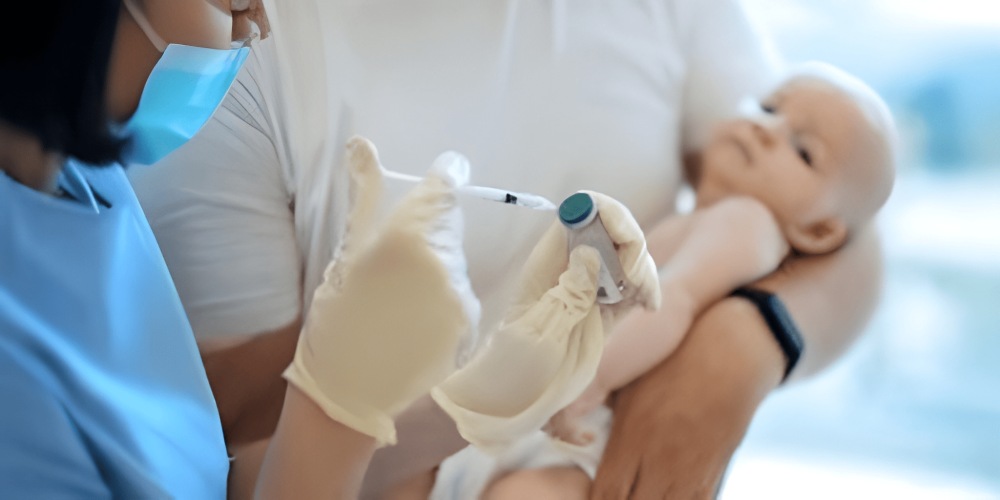
You hear the word all the time. Immunizations. Doctors recommend them. Schools require them. Parents ask about them. But what really happens when a person gets a vaccine? And why do we keep talking about immunizations as if they are the most important thing in public health? The short answer is that they are. Immunizations have changed the way we live. They have turned terrifying diseases into distant memories for most people in wealthy countries. But keeping those diseases away requires constant attention. This guide walks through the science, the schedule, the safety checks, and the real-life reasons behind every shot.
Think of immunizations as a training program for your body. Instead of waiting to get sick and hoping for the best, a vaccine gives your immune system a sneak preview of a dangerous germ. The vaccine itself cannot cause the disease because the germ inside has been killed or weakened enough to be harmless. But your body does not know that. It sees the vaccine as an invader and goes to work building defenses. It produces antibodies and memory cells. Later, if the real germ ever shows up, your immune system recognizes it instantly and destroys it before you even feel a symptom. That is the beauty of immunizations. You get protection without paying the price of a serious illness.
A Long History of Fighting Disease
People have known about the idea of immunizations for centuries, even if they did not have the science to explain it. In ancient China and India, doctors tried a risky method called variolation. They took material from a smallpox sore and rubbed it into a scratch on a healthy person. Sometimes it worked. Sometimes it caused a full-blown infection. It was a gamble. Then came Edward Jenner in 1796. He noticed something interesting about milkmaids. They caught cowpox, a mild illness, but never got smallpox. Jenner took material from a cowpox sore and put it into a young boy. The boy got a little sick but then recovered. Later, Jenner tried to give the boy smallpox. Nothing happened. The boy was protected. That was the first real vaccine.
From that moment, immunizations began to spread. Louis Pasteur developed vaccines for rabies and anthrax. Scientists learned how to kill or weaken germs in reliable ways. The biggest victory came in 1980 when the World Health Organization declared smallpox eradicated. That disease had killed hundreds of millions of people over thousands of years. Immunizations wiped it off the planet. Today, we are close to eradicating polio. Only a handful of cases remain in a few countries. These successes did not happen by accident. They happened because millions of parents chose immunizations for their children.
How Safety Is Built Into Every Vaccine
One of the first questions people ask is whether immunizations are safe. It is a fair question. You are putting something into your child’s body. You want to know what is in it and what could go wrong. The good news is that vaccine safety is taken more seriously than almost any other medical product. Before a vaccine ever reaches a clinic, it goes through years of testing. First in labs. Then in animals. Then in human trials with three separate phases. Phase one involves a small group of adults. Phase two expands to hundreds of people. Phase three involves thousands. Researchers look for side effects, figure out the right dose, and prove that the vaccine actually works.
Once a vaccine is approved, the monitoring does not stop. Systems like the Vaccine Adverse Event Reporting System collect reports from doctors and patients. If someone has a reaction after immunizations, that report gets reviewed. If a pattern emerges, scientists investigate immediately. This is how we learned about the very rare risk of intussusception with an early rotavirus vaccine. That vaccine was removed from the market. A safer one was developed. The system works. Most side effects from immunizations are mild. A sore arm. A low fever. A tired toddler. These are signs that the immune system is doing its job. Serious reactions happen in less than one in a million shots. To put that in perspective, you are more likely to get struck by lightning than to have a severe allergic reaction to a vaccine.
The Concept of Herd Immunity Explained Simply
Immunizations do not only protect the person getting the shot. They protect everyone around that person. This is called herd immunity. Imagine a disease spreading through a crowd. If most people are vaccinated, the germ keeps running into people who cannot get infected. It has nowhere to go. It dies out. That means even people who cannot get vaccinated are safe. Who cannot get vaccinated? Newborns who are too young for their first shots. Pregnant women in some cases. Cancer patients on chemotherapy. Organ transplant recipients taking immune suppressing drugs. People with severe allergies to vaccine ingredients. These vulnerable individuals rely on the rest of us to stay healthy.
Measles is a great example. It is one of the most contagious diseases known to science. One person with measles can infect ninety out of one hundred unvaccinated people who come near them. To stop measles from spreading, about ninety-five percent of the population needs to be vaccinated. That is a very high bar. When vaccination rates drop below that level, outbreaks happen. We saw this in the United States in recent years. Measles was declared eliminated in 2000. Then some communities stopped vaccinating. Outbreaks came back. In 2019, the United States had the highest number of measles cases in twenty-five years. Almost all of those cases were in unvaccinated people. Herd immunity breaks down when too many people skip immunizations.
What to Expect with Childhood Shots
The schedule for childhood immunizations can look intimidating at first glance. A baby gets several shots in the first two years. But there is a reason for every single one. The hepatitis B vaccine is given at birth because the virus can be passed from mother to baby during delivery. The diphtheria, tetanus, and pertussis vaccine, called DTaP, starts at two months. Pertussis, or whooping cough, is especially dangerous for young infants. Their airways are tiny. The cough can make it hard for them to breathe. Many babies with pertussis end up in the hospital. Some do not survive.
The list goes on. Hib vaccine protects against a bacteria that causes meningitis and epiglottitis. Pneumococcal vaccine prevents pneumonia and blood infections. Polio vaccine finished off a disease that once paralyzed thousands of children every year in the United States. Rotavirus vaccine prevents severe diarrhea that can lead to dehydration. MMR vaccine protects against measles, mumps, and rubella. Chickenpox vaccine prevents an illness that used to infect almost every child and sometimes caused serious complications. Hepatitis A vaccine protects against a liver disease spread through contaminated food or water.
It sounds like a lot. But the infant immune system is much stronger than people realize. A baby’s body can respond to thousands of antigens at once. The entire childhood immunization schedule contains fewer than one hundred fifty antigens. By comparison, a simple cold exposes a baby to dozens of antigens. The common cold does not cause the immune system to fail. Neither do immunizations. Spacing the shots out over several visits just makes it easier on the parents and reduces the number of office visits.
Addressing the Biggest Concern About Autism
No discussion of immunizations would be complete without talking about the autism question. Many parents have heard something about a link between vaccines and autism. It is the single most persistent fear about immunizations. And it is completely false. The entire controversy started with one man, Andrew Wakefield. In 1998, he published a small study in a medical journal called The Lancet. He studied twelve children and claimed that the MMR vaccine might be linked to a new type of autism. The study had serious problems from the start. The sample size was tiny. There was no control group. Wakefield had been paid by a law firm that was planning to sue vaccine makers.
Later investigations found even worse problems. Wakefield had falsified the data. He changed medical records to make it look like symptoms appeared right after the vaccine. He had patented his own measles vaccine and stood to profit if the MMR vaccine was discredited. The Lancet retracted the paper completely. Wakefield lost his medical license in the United Kingdom. But the damage was already done. The story spread through the media and then through the internet. Numerous large studies have been done since then. One study in Denmark looked at over half a million children. Another study in the United States looked at thousands of children with older siblings who had autism. A study in Japan looked at children after the MMR vaccine was discontinued. None of them found any link between immunizations and autism. None. The science is settled. Vaccines do not cause autism.
Immunizations for Adults and Pregnant Women
Adults often think they are done with shots after childhood. That is a mistake. Protection from some immunizations wears off over time. The tetanus booster is recommended every ten years. Tetanus is a bacteria found in soil. It causes painful muscle spasms and lockjaw. It can kill you. The pertussis part of the Tdap vaccine is important for adults because they can pass whooping cough to infants. Many grandparents have unknowingly infected their new grandbabies. That is why doctors recommend that any adult who will be around a young infant get the Tdap shot.
The flu shot is another story. Influenza is not just a bad cold. Every year, thousands of people die from the flu. Pregnant women are especially vulnerable because pregnancy changes the immune system and the lungs. The flu vaccine is safe during any trimester. It protects both the mother and the baby. In fact, antibodies cross the placenta and protect the newborn for the first six months of life. That is crucial because babies cannot get their own flu shot until they are six months old.
Shingles is another disease that hits adults. If you had chickenpox as a child, the virus is still in your body. It can reactivate later as shingles, a painful blistering rash that can lead to long-term nerve pain. The shingles vaccine is recommended for everyone over fifty. Pneumonia vaccines are recommended for older adults and people with certain medical conditions. Human papillomavirus vaccine is recommended for young adults up to age twenty-six to prevent cervical cancer and other cancers. Immunizations are a lifelong project.
Travel Vaccines and Special Situations
If you plan to leave your home country, you might need additional immunizations. Yellow fever is a mosquito-borne disease that is common in parts of Africa and South America. Many countries require proof of yellow fever vaccination before they let you enter. Typhoid vaccine is recommended for travel to areas with poor sanitation. Hepatitis A is common in many developing countries. Japanese encephalitis is a risk in rural parts of Asia. Meningococcal vaccine is required for travel to Saudi Arabia during the Hajj pilgrimage.
The timing of travel immunizations matters. Some vaccines need to be given weeks or months before departure. Others require multiple doses. A traveler who shows up at a clinic the day before a flight may not have enough time to get full protection. The best approach is to schedule a travel medicine appointment four to six weeks before you leave. The doctor will look at your itinerary, your medical history, and your previous immunizations. They will recommend exactly what you need. Even travelers going to developed countries like France or Germany should check their routine immunizations. Measles outbreaks still happen in Europe. Being up to date on MMR is a smart move.
The Cost of Skipping Immunizations
Some people decide to delay or skip immunizations because they think the diseases are gone. This is a dangerous misunderstanding. The diseases are not gone. They are just being held back by high vaccination rates. When vaccination rates drop, the diseases come back. We have seen this happen over and over. In 2014, an unvaccinated traveler brought measles to Disneyland in California. The outbreak infected over one hundred people. Many of them were infants who were too young to be vaccinated. The cost of containing that outbreak was in the millions of dollars. People lost time from work. Babies were hospitalized. Some developed pneumonia.
Before the measles vaccine became available, almost every child got measles by age fifteen. About four hundred children died every year from measles in the United States. Another one thousand developed brain damage from encephalitis. The vaccine changed all of that. But the virus is still out there. It spreads through the air when an infected person coughs or sneezes. The virus can live on surfaces for two hours. You do not need to be in the same room as a sick person to catch it. You just need to walk through a hallway where a sick person passed by twenty minutes earlier. That is how contagious measles is.
Pertussis is another example. Before the vaccine, whooping cough sickened over two hundred thousand people every year in the United States and killed about nine thousand. After the vaccine became widespread, cases dropped by over ninety-nine percent. But pertussis has made a comeback in recent years. The main reason is that some parents are delaying or refusing the vaccine for their children. Babies get the worst of it. Half of infants who get pertussis end up in the hospital. One out of every one hundred dies. These are preventable tragedies.
Frequently Asked Questions About Immunizations
Question 1: Is it true that natural infection gives better immunity than a vaccine?
Natural infection does often give long lasting immunity. But you have to survive the infection first. Measles can kill one out of every one thousand children who get it. Polio can cause permanent paralysis. Mumps can cause deafness. Rubella during pregnancy causes severe birth defects. Chickenpox can lead to bacterial infections of the skin and brain inflammation. Immunizations give you the immunity without putting you through the disease. It is like training for a marathon by running on a track instead of jumping into traffic. The vaccine is the safe way to learn what your immune system needs to know.
Question 2: How do I know if my child is having a serious reaction to a shot?
Serious reactions are very rare. Most side effects are mild and go away within a day or two. You can expect some fussiness, a little bit of fever, and tenderness where the shot went in. These are normal. Call your doctor if the fever goes above one hundred five degrees, if your child cries nonstop for three hours or more, if the crying sounds unusual or high pitched, if your child seems limp or floppy, or if you see any signs of an allergic reaction like hives, swelling of the face, or trouble breathing. Severe allergic reactions almost always happen within fifteen to thirty minutes after the shot. That is why clinics ask you to stay for a little while after immunizations. They are watching for exactly that rare event, and they have medicine to treat it.
Question 3: Can I space out my child’s shots instead of following the schedule?
Delaying vaccines is not a good idea. The schedule is designed to protect children at the ages when they are most vulnerable to specific diseases. For example, pertussis is most dangerous in the first two months of life. That is why the first dose of DTaP is given at two months. If you delay that dose, your baby goes unprotected during those high risk weeks. Spacing out shots also means more office visits and more pokes over a longer period. There is no scientific benefit to delaying immunizations. Studies have looked at children who got shots on time compared to children who got them late. The on time group had the same rate of developmental problems and actually had fewer infections. Following the schedule is the safest choice.
Question 4: Do I really need a flu shot every year?
Yes. The influenza virus changes from year to year. It mutates quickly. The vaccine you got last year may not match the strains that are circulating this year. Every spring, public health experts study which flu strains are spreading around the world. They make their best prediction about which three or four strains will be most common in the upcoming flu season. Then manufacturers produce vaccine against those specific strains. The prediction is not perfect. Some years the match is better than others. But even in years when the match is not great, the flu vaccine reduces the risk of hospitalization and death. People who get the flu shot are less likely to end up in the intensive care unit. That is a big deal.
Question 5: What ingredients are in vaccines and are they dangerous?
Vaccines contain a few different ingredients besides the active part of the germ. Stabilizers keep the vaccine effective during storage. Preservatives prevent contamination in multi dose vials. Adjuvants boost the immune response so the vaccine works better. Some people worry about aluminum. Aluminum is used as an adjuvant. It has been used for decades. The amount of aluminum in vaccines is very small. A baby gets more aluminum from breast milk or infant formula in the first week of life than from all the vaccines in the first year. Another concern is thimerosal. This is a preservative that contains mercury. Thimerosal was removed from all childhood vaccines in the United States in 1999 except for some flu shots in multi dose vials. Thimerosal free flu shots are available for parents who ask. Numerous studies have found no harm from the tiny amounts of thimerosal that were in vaccines in the past.
Question 6: Can I get the disease from the vaccine?
No. You cannot get the disease from an inactivated vaccine because the germ is dead. You also cannot get the disease from a subunit vaccine or a recombinant vaccine because those only contain a tiny piece of the germ. Live attenuated vaccines contain a weakened version of the virus. This weakened virus is not strong enough to cause disease in a healthy person. It might cause a very mild version of the illness in a person with a severely weakened immune system. That is why live vaccines are generally not given to people on chemotherapy or people with certain immune disorders. For everyone else, the live virus in the vaccine is too weak to cause real disease. It can cause a mild rash or a low fever. That is not the same as getting measles. It is just a sign that the immune system is responding.
Question 7: What happens if I miss a dose of a vaccine?
Missing a dose is not the end of the world. The important thing is to catch up. You do not need to restart a series from the beginning. For example, if a child missed the four month dose of the polio vaccine, the doctor will just give the next dose whenever the child comes in. The immune system remembers the previous doses. Starting over is not necessary. The catch up schedule is well established. Your doctor can tell you exactly which doses are needed and when. The only tricky part is that some vaccines have minimum intervals between doses. Giving doses too close together can reduce the immune response. But giving them too far apart is not a problem. It is always better to get a late dose than to never get it at all.
Question 8: Do immunizations work for everyone?
No medical product works for one hundred percent of people. Immunizations are no different. Some people do not develop a strong immune response after a vaccine. This is more common in older adults, people with chronic diseases, and people taking medications that suppress the immune system. For those people, herd immunity is especially important. They are counting on the people around them to be vaccinated. Even for healthy people, no vaccine offers perfect protection. The measles vaccine protects about ninety seven out of one hundred people who get two doses. The flu vaccine protects between forty and sixty out of one hundred people in a typical year. But even when a vaccinated person does get sick, the illness is usually much milder. They are less likely to need hospitalization. They are less likely to die.
Question 9: Why do some countries have different vaccine schedules?
Different countries face different disease burdens. A country where polio is still common will emphasize polio immunizations more than a country where polio has been eliminated. A country with a high rate of tuberculosis might use the BCG vaccine, which is not widely used in the United States. Different countries also have different healthcare systems and different budgets. The World Health Organization provides recommendations, but each country makes its own decisions based on local disease patterns, economics, and vaccine availability. That said, the core immunizations for diseases like measles, polio, diphtheria, tetanus, and pertussis are recommended everywhere. These diseases do not respect borders. A child in India needs protection from the same measles virus as a child in Canada.
Question 10: Where should I go if I want to learn more about immunizations?
The best sources are the same public health organizations that scientists and doctors rely on. The Centers for Disease Control and Prevention website has a section called Vaccines and Immunizations that is written for parents. The World Health Organization has a similar section. The American Academy of Pediatrics publishes vaccination guides for families. Your own doctor or your child’s pediatrician is another excellent source. These are people who have spent years studying medicine. They have seen vaccine preventable diseases. They have treated children with whooping cough and adults with tetanus. They know what these diseases look like. They recommend immunizations because they want to keep you from ever experiencing those things. Avoid getting information from random websites, social media influencers, or celebrities. These sources have no medical training and no accountability for spreading false information.
Moving Forward with Confidence
Immunizations have saved more lives than any other medical intervention except clean water. They have eliminated smallpox. They have nearly eliminated polio. They have turned diseases that once killed millions into rare events. But none of this is automatic. The progress we have made depends on parents choosing immunizations for their children and adults keeping their own shots up to date. It depends on communities maintaining high enough vaccination rates to keep herd immunity strong. Every person who gets vaccinated makes the whole community safer. Every person who skips a vaccine creates a small crack in the armor. Over time, enough cracks can let the disease back in. The science is clear. The safety record is excellent. The choice to vaccinate is one of the most important health decisions a person can make. Talk to your doctor. Get the shots. Protect yourself and the people around you.
Leave A Comment
0 Comment