
Pancreatic cancer remains one of the most challenging oncological diagnoses of the modern era. Despite significant medical advancements, this disease continues to carry a prognosis that frightens patients and families alike. However, knowledge remains a powerful tool. By understanding the nature of pancreatic cancer, its risk factors, early warning signs, and the evolving landscape of treatment options, individuals can make informed decisions about their health. This article provides a detailed overview of pancreatic cancer, followed by a section of frequently asked questions, all written to deliver clarity without unnecessary complexity.
What Is Pancreatic Cancer and Why Is It So Aggressive?
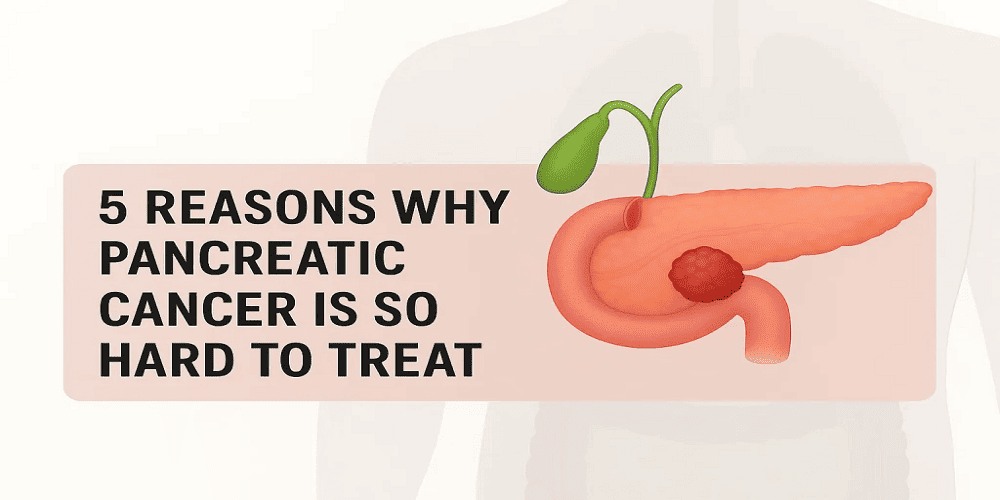
To comprehend the severity of pancreatic cancer, one must first understand the organ itself. The pancreas is a glandular organ situated deep in the abdomen, behind the stomach. It has two primary functions: producing digestive enzymes (exocrine function) and generating hormones such as insulin and glucagon (endocrine function). Pancreatic cancer typically begins in the cells that line the ducts of the pancreas. Over ninety percent of cases are classified as pancreatic ductal adenocarcinoma, which originates from the exocrine cells.
The aggressive nature of pancreatic cancer stems from several biological factors. Firstly, the disease rarely produces distinct symptoms in its early stages. By the time a patient notices signs like jaundice, unexplained weight loss, or persistent abdominal pain, pancreatic cancer has often already spread to nearby lymph nodes or distant organs such as the liver. Secondly, the tumor microenvironment surrounding pancreatic cancer is notoriously dense and fibrous, which acts as a physical barrier to many chemotherapeutic agents. Thirdly, genetic mutations accumulate rapidly within pancreatic cancer cells, allowing them to evade the immune system and resist standard treatments.
Epidemiology and Risk Factors for Pancreatic Cancer
Pancreatic cancer accounts for approximately three percent of all cancers in the United States but is responsible for nearly eight percent of all cancer deaths. This disparity highlights the poor survival rate compared to other malignancies. The lifetime risk of developing pancreatic cancer is about one in sixty-four for men and one in sixty-seven for women, though certain factors can elevate this risk significantly.
Age is a major determinant. The majority of patients diagnosed with pancreatic cancer are over sixty-five years old, with cases under forty being exceptionally rare. Smoking tobacco is arguably the most modifiable risk factor; smokers have roughly double the risk of developing pancreatic cancer compared to nonsmokers. Chronic pancreatitis, a long-term inflammation of the pancreas, also predisposes individuals to this disease. Additionally, obesity, a diet high in processed meats, and type 2 diabetes—especially when diabetes develops suddenly later in life—have all been linked to increased rates of pancreatic cancer.
Family history cannot be ignored. About ten percent of pancreatic cancer cases are thought to be hereditary. Specific genetic syndromes, including BRCA2 mutations, Peutz-Jeghers syndrome, Lynch syndrome, and familial atypical multiple mole melanoma syndrome, substantially raise a person’s lifetime risk. Individuals with two or more first-degree relatives who have had pancreatic cancer should consider genetic counseling and early surveillance programs.
Signs and Symptoms: Why Early Detection Is Difficult
One of the most frustrating aspects of pancreatic cancer is the subtlety of its early symptoms. When the tumor is confined to the pancreas, it rarely causes pain or noticeable dysfunction. As the cancer enlarges or spreads, several hallmark signs may appear. Jaundice is a classic indicator when the tumor is located in the head of the pancreas. This yellowing of the skin and the whites of the eyes occurs because the tumor blocks the common bile duct, leading to a buildup of bilirubin. Dark urine, clay-colored stools, and generalized itching often accompany jaundice.
Unexplained weight loss and cachexia—a wasting syndrome involving muscle loss—are extremely common in pancreatic cancer. Patients may report losing ten to fifteen percent of their body weight without dieting or increasing physical activity. Abdominal or mid-back pain is another frequent complaint. This pain often worsens after eating or when lying down and may improve by leaning forward. New-onset diabetes, particularly in a person over fifty who is not overweight, should raise suspicion for underlying pancreatic cancer, as the tumor can disrupt insulin production. Other nonspecific symptoms include nausea, vomiting, fatigue, and a loss of appetite.
Because none of these symptoms are unique to pancreatic cancer, misdiagnosis is common. Many patients are initially treated for gallstones, irritable bowel syndrome, or gastritis before the correct diagnosis is established. This diagnostic delay is a major reason why most cases of pancreatic cancer are found at an advanced, unresectable stage.
Diagnostic Pathways for Pancreatic Cancer
When a physician suspects pancreatic cancer based on symptoms or risk factors, a series of tests will be ordered. Blood tests alone cannot diagnose pancreatic cancer, but they can provide clues. Liver function tests may show elevated bilirubin or alkaline phosphatase. The tumor marker CA 19-9 is often measured; while not specific for pancreatic cancer, rising levels can support the diagnosis and help monitor treatment response.
Imaging studies are central to detection. A contrast-enhanced computed tomography scan of the abdomen and pelvis is usually the first and most important imaging test. This scan can identify the tumor, determine its size and location, show whether major blood vessels are involved, and detect metastases to the liver or peritoneum. Magnetic resonance imaging with magnetic resonance cholangiopancreatography provides additional detail, particularly for small lesions or cystic tumors. Endoscopic ultrasound has become an invaluable tool. This procedure involves passing an endoscope with an ultrasound probe through the mouth into the stomach and duodenum. The ultrasound can visualize the pancreas in high resolution, and critically, a thin needle can be passed through the endoscope to obtain a tissue biopsy. Histological confirmation is essential before starting any treatment for pancreatic cancer.
In some cases, endoscopic retrograde cholangiopancreatography is performed. This combines endoscopy and fluoroscopy to inject dye into the bile and pancreatic ducts, allowing the placement of a stent to relieve jaundice if the tumor is causing an obstruction. Staging laparoscopy, a minimally invasive surgical procedure, may be used before a planned resection to look for tiny peritoneal metastases that even advanced scans might miss.
Staging and Prognosis of Pancreatic Cancer
Pancreatic cancer is staged according to the American Joint Committee on Cancer system, which ranges from stage 0 to stage IV. Stage 0 is carcinoma in situ, an extremely rare finding. Stage I describes a tumor confined to the pancreas, with stage IA smaller than two centimeters and stage IB larger than two centimeters. Stage II indicates local extension into nearby tissues or spread to regional lymph nodes without distant metastasis. Stage III involves major arterial vessels such as the celiac axis or superior mesenteric artery, making the tumor borderline resectable or locally advanced but not metastatic. Stage IV denotes distant spread to the liver, peritoneum, lungs, or other organs.
Prognosis is closely tied to stage at diagnosis. For localized pancreatic cancer that can be surgically removed with negative margins, the five-year survival rate is approximately thirty to forty percent. However, only fifteen to twenty percent of patients present with resectable disease at diagnosis. For locally advanced, unresectable pancreatic cancer, the median survival is roughly nine to twelve months. Once the cancer has metastasized to distant organs, the median survival drops to three to six months, with a five-year survival rate below three percent. These statistics are sobering but are gradually improving as new therapies emerge.
Treatment Modalities for Pancreatic Cancer
Treatment for pancreatic cancer depends heavily on the stage, the patient’s performance status, and the molecular characteristics of the tumor. A multidisciplinary approach involving surgical oncologists, medical oncologists, radiation oncologists, and palliative care specialists is standard.
Surgery offers the only chance for cure, but it is an option for a minority of patients. The Whipple procedure, formally known as pancreaticoduodenectomy, is performed for tumors in the head of the pancreas. This complex operation removes the head of the pancreas, the duodenum, a portion of the bile duct, the gallbladder, and sometimes part of the stomach. For tumors in the body or tail of the pancreas, a distal pancreatectomy with splenectomy is performed. Even after successful surgery, adjuvant chemotherapy is essential to eradicate microscopic residual disease. The combination of mFOLFIRINOX has become a standard postoperative regimen for fit patients.
For patients with locally advanced, unresectable pancreatic cancer, chemotherapy plus radiation therapy is often used. FOLFIRINOX or gemcitabine plus nab-paclitaxel are the primary induction chemotherapy regimens. After several months of chemotherapy, restaging scans may show sufficient tumor shrinkage to allow for a delayed surgical resection in select cases. Radiation therapy can help control local pain and delay tumor progression, though it is not curative alone.
Metastatic pancreatic cancer is treated primarily with palliative chemotherapy. The same regimens used for locally advanced disease are applied, but the goal shifts to prolonging life, controlling symptoms, and maintaining quality of life. More recently, targeted therapy and immunotherapy have entered the arena for specific subsets of patients. For example, patients with pancreatic cancer harboring a germline BRCA mutation may respond to PARP inhibitors like olaparib. Those with microsatellite instability or mismatch repair deficiency, though rare in pancreatic cancer, can benefit from immune checkpoint inhibitors such as pembrolizumab.
Supportive care is not an afterthought but an integral part of treatment. Pain management often requires opioids and sometimes a celiac plexus block, an injection of alcohol or anesthetic into the nerve bundle around the pancreas. Pancreatic enzyme replacement therapy helps with maldigestion and weight loss. Nutritional support from a dietitian is critical. Endoscopic or percutaneous stenting relieves biliary obstruction and pruritus. Addressing the psychological and spiritual needs of patients and their families through palliative care consultation improves both quality of life and, some studies suggest, survival duration.
Lifestyle, Prevention, and Emerging Research
While there is no guaranteed way to prevent pancreatic cancer, modifiable risk factors offer some opportunity for risk reduction. Avoiding tobacco is the single most effective preventive measure. Maintaining a healthy body weight, eating a diet rich in fruits, vegetables, and whole grains while limiting red and processed meats, and engaging in regular physical activity lower the risk modestly. Limiting alcohol intake reduces the risk of chronic pancreatitis, a known precursor to pancreatic cancer.
For high-risk individuals, such as those with a strong family history or known genetic syndromes, surveillance programs at specialized academic centers are available. Annual endoscopic ultrasound or MRI may detect precursor lesions like intraductal papillary mucinous neoplasms at a curable stage. Participation in clinical trials is strongly encouraged for any patient with pancreatic cancer, as research is accelerating at an unprecedented pace. Promising areas include liquid biopsies for early detection, vaccines targeting mutant KRAS, engineered T-cell therapies, and drugs that degrade the dense tumor stroma.
Frequently Asked Questions About Pancreatic Cancer
- What is the first sign of pancreatic cancer?
There is no single first sign, as the disease is often silent. Jaundice is one of the more specific early signs when the tumor is in the head of the pancreas. Unexplained weight loss, new-onset diabetes after age fifty, or vague abdominal discomfort may also appear early. However, in many cases, no symptoms are present until the cancer has advanced. - Is pancreatic cancer always fatal?
No, but it has a high mortality rate. For patients diagnosed with localized, resectable pancreatic cancer who complete surgery and chemotherapy, long-term survival and even cure are possible. Survival rates have been improving slowly over the past decade due to better chemotherapy regimens and multidisciplinary care. - How fast does pancreatic cancer grow?
Most pancreatic cancers grow relatively quickly, with volume doubling times estimated between fifty and one hundred days. This rapid growth explains why screening the general population is challenging; an annual screening might miss a tumor that develops and metastasizes between scans. - Can a blood test detect pancreatic cancer?
No single blood test can diagnose pancreatic cancer. The CA 19-9 marker is often used for monitoring known disease but is not specific. Researchers are developing liquid biopsy tests that detect circulating tumor DNA, but these are not yet standard for early diagnosis. - What foods should be avoided with pancreatic cancer?
Patients are generally advised to limit high-fat, fried, and highly processed foods, as these can worsen maldigestion and pain. Alcohol should be avoided. A dietitian can recommend low-fat, high-protein, nutrient-dense meals. Pancreatic enzyme supplements are often necessary to absorb fats and proteins properly. - Is pancreatic cancer hereditary?
Approximately ten percent of cases have a hereditary component. If you have two or more first-degree relatives with pancreatic cancer, or a known genetic syndrome like BRCA2, Lynch syndrome, or Peutz-Jeghers, you should discuss genetic counseling and possible early surveillance with your doctor. - What is the difference between acute pancreatitis and pancreatic cancer?
Acute pancreatitis is a sudden inflammation of the pancreas, usually caused by gallstones or heavy alcohol use. It causes severe abdominal pain, nausea, and elevated pancreatic enzymes in the blood. Pancreatic cancer is a malignant growth that develops slowly. However, chronic pancreatitis does increase the risk of eventually developing pancreatic cancer. - Can pancreatic cancer be treated without surgery?
Yes, but with different goals. For metastatic disease, treatment is systemic chemotherapy and palliative care. For locally advanced, unresectable tumors, chemotherapy and sometimes radiation are used to control the disease. Only surgery offers a potential cure, but many patients are not candidates at the time of diagnosis. - What is the Whipple procedure, and how risky is it?
The Whipple procedure is the standard surgery for pancreatic cancer in the head of the pancreas. It is a major operation with significant risks, including bleeding, infection, leakage from the pancreatic remnant, and delayed gastric emptying. In high-volume centers with experienced surgeons, the mortality rate is under three percent. - How long does chemotherapy last for pancreatic cancer?
For adjuvant chemotherapy after surgery, treatment typically lasts six months. For metastatic disease, chemotherapy may continue indefinitely as long as it is effective and side effects are manageable, with occasional breaks or switch to maintenance therapy depending on the regimen and patient tolerance. - Does pancreatic cancer cause back pain specifically?
Yes. Because the pancreas is located retroperitoneally, pancreatic cancer can refer pain to the mid-back. Patients often describe a dull, boring pain that is worse when lying flat and improves when leaning forward. Back pain without any abdominal findings is a well-recognized presentation. - What is the newest treatment for pancreatic cancer in 2025?
The field is evolving rapidly. Recent developments include personalized mRNA vaccines targeting neoantigens specific to a patient’s tumor, novel antibody-drug conjugates such as T-DXd for HER2-expressing tumors, and combination therapies that include stroma-modifying agents. Patients are advised to check clinical trial registries for the most current options.
Conclusion
Pancreatic cancer remains a formidable opponent, but the narrative is slowly changing. Increased awareness of early symptoms, more precise surgical techniques, more effective chemotherapy combinations, and a growing arsenal of targeted therapies are offering patients more hope than ever before. While the statistics are still grim, especially for advanced disease, every small improvement in survival represents real lives extended and real moments gained with loved ones. If you or someone you care about is facing pancreatic cancer, seek care at a high-volume academic center, ask about clinical trials, and do not underestimate the power of palliative and supportive care. Knowledge, advocacy, and research are the three pillars upon which future victories against pancreatic cancer will be built.
Leave A Comment
0 Comment