
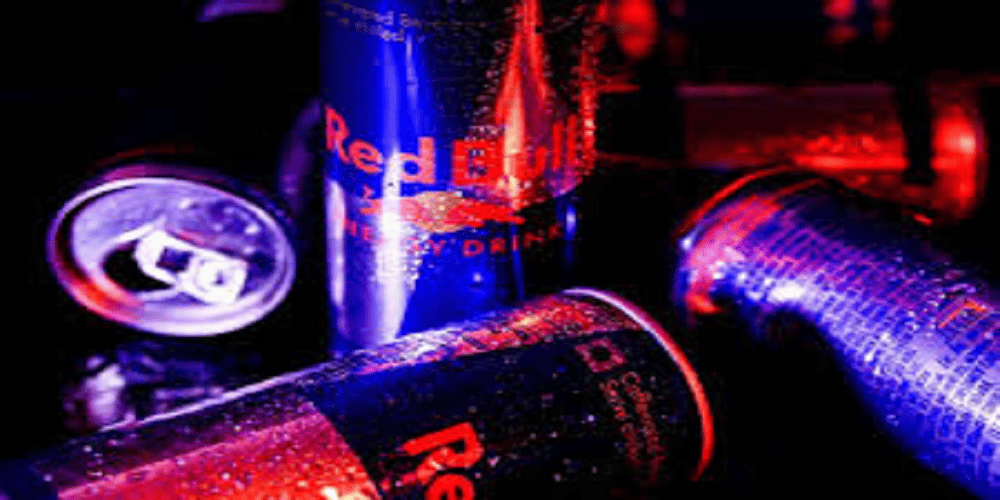
Energy drinks have become one of the most consumed beverages worldwide, especially among young adults, corporate workers, gamers, athletes, and students. Their popularity continues to grow because these drinks promise instant energy, improved concentration, and enhanced physical performance. However, there is increasing concern about their potential health effects, especially the connection between energy drinks and stroke risk. Many studies suggest that regular or excessive consumption of energy drinks may contribute to cardiovascular problems, blood vessel changes, and increased chances of stroke.
In this comprehensive article, we will explore the science behind energy drinks, how their ingredients affect the body, the possible link between energy drinks and stroke risk, symptoms to watch for, preventive steps, and safe alternatives. This 3000-word guide will help you understand the issue clearly and make informed decisions about your health.
Understanding Energy Drinks
Energy drinks are beverages formulated to boost alertness and reduce fatigue. They often contain caffeine, sugar, taurine, B-vitamins, herbal extracts like guarana or ginseng, and other stimulants. Popular brands market the drinks aggressively to young adults, athletes, and professionals who want quick energy.
The primary ingredient responsible for the stimulating effect is caffeine. A single can of many energy drinks may contain caffeine equivalent to two or three cups of coffee. Along with caffeine, the high sugar content gives an immediate but temporary energy spike.
While moderate consumption may not harm everyone, excessive or long-term use raises concerns. One of the most alarming concerns relates to the potential connection between energy drinks and stroke risk.
How Energy Drinks Affect the Body
To understand the relationship between energy drinks and stroke risk, it is essential to explore how these beverages interact with the body.
1. Impact on Blood Pressure
Caffeine and other stimulants found in energy drinks can raise blood pressure. High blood pressure is one of the most significant risk factors for stroke. When a person drinks multiple energy drinks, the blood pressure spike may become more severe, especially in individuals with underlying hypertension.
2. Effects on Blood Vessels
Energy drinks can cause blood vessels to constrict. Narrowed blood vessels reduce blood flow and increase the risk of blood clots. If a clot travels to the brain, it may cause an ischemic stroke.
3. Impact on Heart Rhythm
High caffeine levels may lead to irregular heartbeats, also known as arrhythmias. Abnormal heart rhythm may increase the risk of blood clot formation, which again heightens the chances of stroke.
4. High Sugar Content
A single energy drink may contain the equivalent of 10 to 15 teaspoons of sugar. High sugar levels can contribute to obesity, inflammation, and insulin resistance. All these conditions indirectly increase the risk of stroke.
5. Dehydration
Caffeine acts as a diuretic. Energy drinks can cause frequent urination and dehydration. Dehydration affects the blood’s consistency, potentially increasing the risk of blood clots.
These effects combine to create a situation where the link between energy drinks and stroke risk becomes more significant, especially for those who consume energy drinks regularly or in large amounts.
Scientific Research on Energy Drinks and Stroke Risk
Several studies have investigated the relationship between energy drinks and stroke risk. While the research is still evolving, many findings suggest a concerning pattern.
Some studies show that energy drinks can dramatically increase blood pressure within minutes of consumption. Other research indicates that young and otherwise healthy individuals have experienced narrowing of blood vessels after drinking energy beverages.
There are also case reports in medical journals where young adults suffered ischemic strokes shortly after consuming multiple energy drinks. Although case studies cannot prove direct cause and effect, the patterns raise concerns among health experts.
The combination of caffeine, sugar, taurine, and herbal stimulants may have a synergistic effect, making the risk greater than consuming caffeine alone. This is why the discussion around energy drinks and stroke risk has gained attention in recent years.
Who Is Most at Risk?
Not everyone who drinks energy beverages will experience a stroke, but certain groups are more vulnerable.
1. Individuals with High Blood Pressure
Energy drinks can cause immediate spikes in blood pressure, which is dangerous for people already dealing with hypertension.
2. People with Heart Problems
Those with arrhythmias, heart disease, or a family history of cardiovascular issues may be more likely to face complications from energy drinks.
3. Diabetics
High sugar content in energy drinks can destabilize blood sugar levels, making diabetics more prone to stroke.
4. Teens and Young Adults
Young people often consume energy drinks excessively, sometimes mixing them with alcohol, which increases risks further.
5. People Who Combine Energy Drinks with Alcohol
This combination can mask alcohol’s sedative effects, leading to dehydration, rapid heartbeat, and increased stroke risk.
6. Individuals on Medication
Some medications interact negatively with caffeine and stimulants found in energy drinks.
Understanding the risk groups helps in recognizing why health professionals emphasize the connection between energy drinks and stroke risk.
Warning Signs After Consuming Energy Drinks
Many individuals experience unpleasant symptoms after drinking energy beverages, especially if they consume large amounts. These symptoms may signal cardiovascular stress.
Common Warning Signs Include:
- Rapid heartbeat
- Chest discomfort
- Severe headache
- Dizziness
- Confusion
- Numbness or tingling
- Shortness of breath
- Intense anxiety or jitteriness
If any of these symptoms appear, especially after consuming energy drinks, immediate medical attention is necessary.
Why Energy Drinks and Stroke Risk is a Serious Concern
Stroke is a life-threatening condition caused by interrupted blood flow to the brain. There are two major types of stroke:
- Ischemic stroke, caused by blood clots
- Hemorrhagic stroke, caused by bleeding in the brain
Energy drinks can contribute to both.
Caffeine and stimulants may increase the chances of clot formation. High blood pressure, which is triggered by energy drinks, is the leading cause of hemorrhagic stroke.
The concern becomes more serious when examining consumption patterns. Many people drink energy beverages daily or consume multiple cans in a short time. This combination increases stress on the cardiovascular system, making the link between energy drinks and stroke risk more relevant.
Combining Energy Drinks with Exercise
Athletes and gym-goers often consume energy drinks as pre-workouts. However, this combination can be dangerous.
Exercise naturally raises heart rate and blood pressure. When combined with high caffeine levels, the heart may become overstressed. This can lead to arrhythmias, dehydration, and potential stroke triggers.
Mixing Energy Drinks with Alcohol
One of the most dangerous combinations is energy drinks mixed with alcohol. The stimulants in energy drinks can mask the depressant effects of alcohol, making individuals drink more than they realize. This leads to dehydration, irregular heartbeat, increased blood pressure, and higher stroke risk.
Healthier Alternatives to Energy Drinks
If you rely on energy drinks for boosting productivity or staying alert, consider healthier alternatives.
1. Green Tea
Contains natural caffeine and antioxidants without excessive sugar.
2. Black Coffee
Provides caffeine without harmful additives.
3. Coconut Water
Improves hydration and provides essential minerals.
4. Fresh Fruit Juice
Offers natural sugar and vitamins.
5. Balanced Diet
Protein-rich foods and whole grains maintain steady energy.
6. Adequate Sleep
Better than any artificial energy booster.
Choosing healthy options helps reduce dependence on energy beverages and lowers the association between energy drinks and stroke risk.
Tips to Reduce Stroke Risk if You Drink Energy Drinks
If you occasionally consume energy drinks, follow these steps to minimize harm:
- Limit intake to one can per day or less
- Choose sugar-free versions if necessary
- Drink plenty of water
- Avoid mixing with alcohol
- Avoid drinking before intense exercise
- Monitor blood pressure regularly
- Do not consume on an empty stomach
- Read labels carefully
These small steps can help reduce risk while maintaining energy safely.
How to Identify Whether an Energy Drink Is Unsafe
Many energy drinks contain hidden ingredients or proprietary blends. To check whether a drink may increase stroke risk, inspect the label for:
- Caffeine levels above 200 mg per can
- High sugar levels
- Added stimulants like guarana, ginseng, or yerba mate
- Unknown herbal extracts
- Excessive preservatives
The more stimulants present, the stronger the connection between energy drinks and stroke risk becomes.
Understanding Addiction to Energy Drinks
Some individuals become dependent on energy drinks due to high caffeine content. Caffeine addiction can lead to withdrawal symptoms such as headaches, irritability, and tiredness. This dependence encourages increased consumption, raising the likelihood of long-term health problems.
Addiction makes it easy to ignore symptoms like rapid heartbeat or dizziness, which are early warnings of cardiovascular stress. This pattern further strengthens the link between excessive energy drink consumption and stroke risk.
Lifestyle Changes to Protect Your Brain and Heart
To reduce your overall stroke risk and maintain healthy energy levels, consider incorporating these lifestyle habits:
- Regular physical activity
- Stress management techniques
- Nutritious diet with fruits, vegetables, and whole grains
- Adequate hydration
- Routine medical checkups
- Reduced intake of processed foods
Healthy habits help protect the brain and cardiovascular system, reducing the connection between energy drinks and stroke risk.
Conclusion
Energy drinks continue to be popular worldwide, but their effects on health must not be ignored. Research and real-life cases indicate a possible connection between energy drinks and stroke risk, especially among individuals who consume them regularly or excessively. While occasional consumption may not harm everyone, understanding the potential risks helps in making safer choices.
High caffeine content, excessive sugar, dehydration, increased blood pressure, and blood vessel constriction all contribute to stroke risk. By choosing healthier alternatives and limiting intake, individuals can protect their brain and heart while maintaining their energy levels.
This detailed guide aims to help you understand the growing concern around energy drinks and stroke risk and to encourage healthier lifestyle choices.
FAQs
1. Do energy drinks increase the risk of stroke?
Yes, energy drinks may increase stroke risk due to their high caffeine, sugar, and stimulant content. These ingredients can raise blood pressure, constrict blood vessels, and contribute to blood clot formation.
2. Can a healthy person get a stroke after drinking energy drinks?
Although rare, there are documented cases of otherwise healthy individuals experiencing stroke after consuming multiple energy drinks. Excessive use, dehydration, or combining with alcohol increases risk.
3. What ingredients make energy drinks risky?
Caffeine, taurine, guarana, ginseng, and high sugar levels create a combination that stresses the cardiovascular system and may increase stroke risk.
4. Are sugar-free energy drinks safer?
Sugar-free versions reduce calorie intake, but they still contain caffeine and stimulants. They may still contribute to cardiovascular strain.
5. How many energy drinks per day are considered safe?
Most health experts recommend limiting intake to one can per day or less. Some individuals should avoid them completely depending on medical conditions.
6. Can teenagers safely consume energy drinks?
Teenagers are more sensitive to caffeine and stimulants. High consumption may increase stroke risk and affect brain development.
7. Are natural energy boosters safer than energy drinks?
Yes, natural options like green tea, black coffee, fruits, and proper hydration are generally safer and provide sustained energy without harmful side effects.
Leave A Comment
0 Comment