
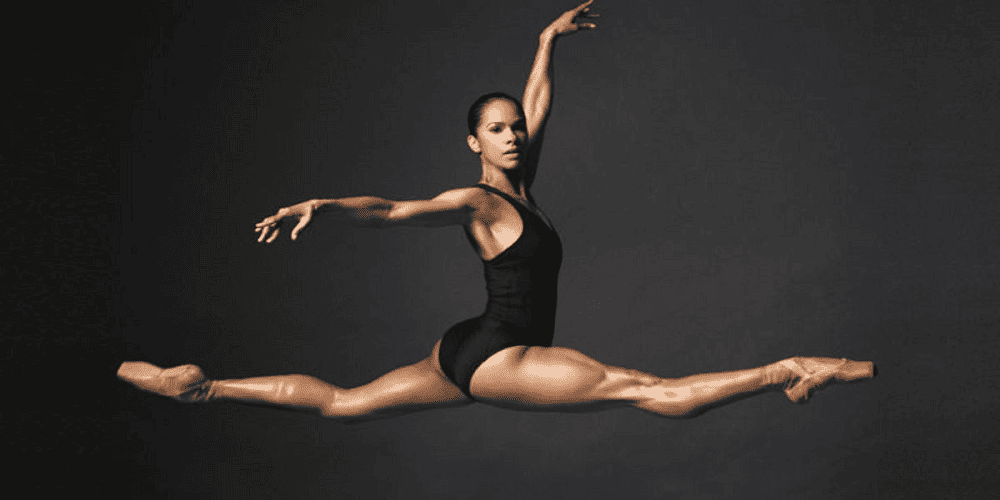
Misty Copeland is a name synonymous with elegance, strength, and resilience. She has become one of the most influential ballet dancers in the world, breaking barriers and challenging stereotypes along the way. Her journey is not just about dance; it is a story of perseverance, courage, and the relentless pursuit of excellence. From her early life struggles to becoming the first African American female principal dancer at the American Ballet Theatre, Misty Copeland's story continues to inspire millions worldwide.
Early Life and Background
Misty Copeland was born on September 10, 1982, in Kansas City, Missouri. Her childhood was marked by instability and frequent moves, including time spent with her mother and periods in foster care. Despite these challenges, Misty developed an early love for movement and dance. Her exposure to ballet came relatively late compared to most professional dancers—she began formal ballet training at the age of 13.
Starting ballet at this age is considered late because most elite dancers start their training between ages 3 and 7. However, Misty’s natural talent, discipline, and determination allowed her to catch up quickly. She demonstrated extraordinary flexibility, strength, and expressiveness, qualities that would later define her performances.
Discovering Ballet
Misty's introduction to ballet was accidental but transformative. She attended a Boys & Girls Club program in San Pedro, California, where she met Cynthia Bradley, who recognized her potential and encouraged her to pursue serious ballet training. Bradley’s mentorship played a crucial role in Misty’s development as a dancer.
Under Bradley’s guidance, Misty began rigorous training at a time when many of her peers had already been dancing for a decade. Her late start meant she had to work harder than others, and this fueled her commitment. Misty often credits her challenging beginnings as a source of resilience and determination that shaped her career.
Rising Through the Ranks
Misty Copeland’s journey to professional ballet was not easy. Ballet, historically dominated by white dancers, presented both racial and social barriers. Misty often faced criticism, skepticism, and limited opportunities due to her body type and skin color. However, she refused to let societal expectations define her path.
She joined the American Ballet Theatre’s (ABT) Studio Company in 2000, a pre-professional program that bridges the gap between training and a professional career. After rigorous auditions and training, she became a member of ABT’s corps de ballet in 2001. Her talent quickly gained recognition, and she began to take on soloist roles, performing in classics like Swan Lake, The Nutcracker, and Giselle.
In 2015, Misty made history by becoming the first African American female principal dancer in ABT’s 75-year history. This milestone was celebrated globally, symbolizing a breakthrough for diversity in classical ballet. Her promotion was more than a personal achievement; it represented a cultural shift in the ballet world, inspiring young dancers of color worldwide.
Style and Technique
Misty Copeland’s ballet style is characterized by powerful lines, dramatic presence, and expressive storytelling. While her technique adheres to classical ballet standards, her performances are distinguished by emotional depth and athleticism. Misty’s muscular yet graceful physique defies traditional ballet norms, proving that excellence in dance is not confined to a single body type.
She often emphasizes the importance of artistry alongside technical skill. Misty believes that ballet is not just about executing steps perfectly but about conveying a story and connecting with the audience. Her ability to combine strength, flexibility, and emotional resonance has earned her critical acclaim and a devoted following.
Breaking Barriers and Challenging Stereotypes
Throughout her career, Misty Copeland has been a trailblazer, challenging the traditional ideals of ballet. Ballet has historically celebrated a very specific body type: long, thin, and conventionally “delicate.” Misty’s muscular build and athleticism challenged these standards, showing that strength and power can coexist with elegance and grace.
Moreover, as a Black woman in a predominantly white art form, Misty faced systemic racial challenges. From casting biases to representation issues, she encountered obstacles that many dancers of color still face today. Her success has opened doors for more diverse talent in ballet and sparked conversations about inclusivity in the arts.
Misty’s visibility also extends beyond the stage. She has appeared in commercials, magazine covers, and television shows, broadening the cultural reach of ballet. By embracing her platform, she has become an advocate for arts education, diversity, and body positivity.
Publications and Media Presence
Misty Copeland is also a prolific author and public figure. Her memoir, Life in Motion: An Unlikely Ballerina, chronicles her journey from a challenging childhood to international recognition. The book became a bestseller, resonating with readers who admired her resilience and determination.
In addition to her memoir, Misty has written children’s books such as Firebird and Bunheads, aiming to inspire young readers to pursue their passions. Her media presence has helped popularize ballet and brought attention to the challenges and triumphs of professional dancers.
She has appeared on numerous television programs, talk shows, and magazines, including Time, Vogue, and Essence. Misty’s influence reaches far beyond the ballet community, making her a role model for aspiring artists across disciplines.
Awards and Recognition
Misty Copeland’s contributions to ballet and culture have earned her numerous accolades. Some of her notable achievements include:
- Time 100 Most Influential People in 2015, recognizing her impact on the arts and society.
- Spotlight Award from the Dance Magazine, highlighting her exceptional performances.
- Bessie Award nomination for outstanding performance in ballet.
- NAACP Image Award for her contributions to the arts.
These honors reflect not only her artistic talent but also her role as a cultural ambassador and advocate for diversity.
Advocacy and Philanthropy
Beyond her performances, Misty Copeland is deeply involved in advocacy and philanthropy. She champions arts education, particularly for underserved communities, believing that exposure to the arts can transform lives.
Misty has worked with organizations such as the Boys & Girls Club and the American Ballet Theatre’s Project Plié, a program that aims to increase racial and ethnic representation in ballet. Her involvement underscores her commitment to creating opportunities for the next generation of dancers.
She also speaks publicly about body image, mental health, and overcoming adversity. By sharing her personal struggles and triumphs, Misty inspires individuals to embrace their uniqueness and pursue their dreams despite obstacles.
Influence on the Ballet World
Misty Copeland’s impact on ballet cannot be overstated. She has redefined the possibilities of who can succeed in classical dance. By breaking barriers related to race and body type, she has encouraged ballet companies worldwide to reconsider casting practices and representation.
Her influence extends to aspiring dancers who see themselves reflected in her success. For many young dancers of color, Misty represents hope and possibility in a field that has historically excluded them. She has proven that talent, discipline, and perseverance can overcome structural barriers, changing the narrative of ballet for generations to come.
Life Beyond Ballet
While Misty Copeland’s career is rooted in ballet, she has diversified her endeavors to include modeling, writing, and public speaking. She has appeared in advertising campaigns for major brands such as Under Armour, becoming the first Black female ballerina to feature in a global sportswear campaign.
Misty also engages in motivational speaking, sharing her journey with audiences at conferences, schools, and organizations. Her story resonates with anyone striving to overcome challenges, pursue their passions, or break societal norms.
Misty Copeland’s Legacy
Misty Copeland’s legacy is defined by more than her technical skill or performances. She represents resilience, breaking barriers, and inspiring a more inclusive future for the arts. Through her advocacy, public presence, and groundbreaking achievements, she has reshaped ballet, making it more accessible and diverse.
Her journey illustrates that greatness is not merely about talent but also about courage, perseverance, and the willingness to challenge established norms. Misty Copeland continues to inspire dancers, artists, and audiences worldwide, leaving an indelible mark on both ballet and culture.
Key Lessons from Misty Copeland’s Life
- Perseverance overcomes adversity: Starting ballet at 13 and rising to principal dancer status demonstrates that it’s never too late to pursue a dream.
- Challenge societal norms: Misty’s success proves that breaking stereotypes about race and body type is possible with talent and determination.
- The power of mentorship: Her relationship with Cynthia Bradley highlights the importance of guidance and support in achieving one’s goals.
- Art as a vehicle for advocacy: Misty uses her platform to promote diversity, inclusivity, and arts education.
- Resilience is key: Facing rejection and criticism, Misty remained committed to her passion, turning obstacles into opportunities.
FAQs About Misty Copeland
1. Who is Misty Copeland?
Misty Copeland is an American ballet dancer who became the first African American female principal dancer at the American Ballet Theatre. She is known for her talent, advocacy, and barrier-breaking achievements in classical ballet.
2. When did Misty Copeland start ballet?
She began formal ballet training at the age of 13, which is considered late compared to most professional dancers. Her rapid progress demonstrated her extraordinary talent and dedication.
3. What are some of Misty Copeland’s notable achievements?
Misty has appeared in Time 100 Most Influential People, written bestselling books, starred in Under Armour campaigns, and received numerous awards, including recognition from Dance Magazine and the NAACP.
4. How has Misty Copeland influenced diversity in ballet?
By breaking racial and body-type barriers, Misty has inspired ballet companies to consider inclusivity and has encouraged young dancers of color to pursue professional ballet careers.
5. What books has Misty Copeland written?
Misty has written the memoir Life in Motion: An Unlikely Ballerina and children’s books like Firebird and Bunheads, aimed at inspiring readers to chase their dreams.
6. Why is Misty Copeland considered a trailblazer?
She defied conventional ballet standards regarding race and physique, became a principal dancer in a historic company, and uses her influence to advocate for equality, arts education, and representation.
7. What can aspiring dancers learn from Misty Copeland?
Aspiring dancers can learn the importance of resilience, dedication, self-belief, and the power of challenging stereotypes while pursuing one’s passion.
Misty Copeland’s story is a testament to the transformative power of perseverance, passion, and courage. From a late start in ballet to becoming a global icon, she continues to inspire people across the world. Her journey reminds us that obstacles can be overcome, barriers can be broken, and excellence is achievable when talent meets determination. Misty Copeland is more than a dancer—she is a symbol of hope, strength, and the enduring power of human spirit.
Leave A Comment
0 Comment