
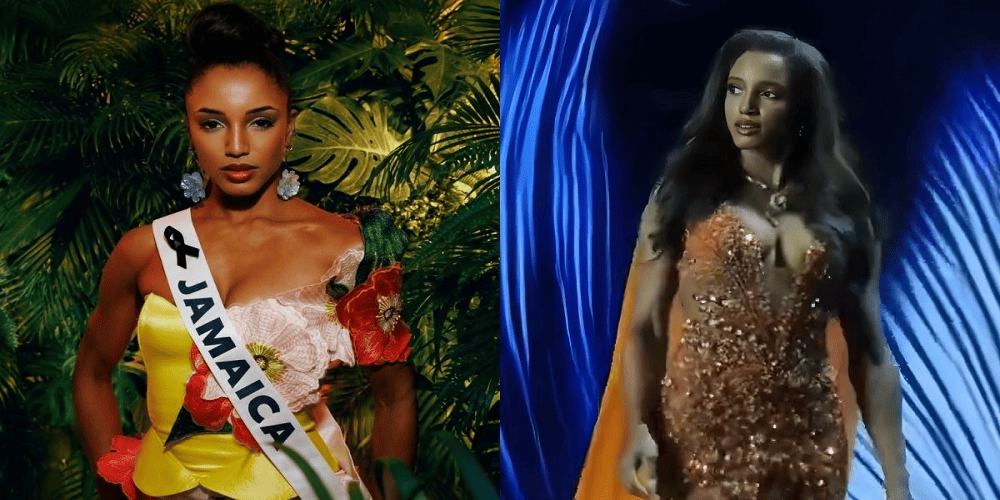
Jamaica, the vibrant Caribbean island known for its reggae rhythms, sun-drenched beaches, and spirited people, has also made a distinct mark on the international beauty pageant scene. Among the most prominent arenas is the Miss Universe competition, where Jamaican women have repeatedly carried their island’s dignity, talent, and strength forward. The story of Miss Jamaica in Miss Universe is a rich and multifaceted chronicle: from trailblazing contestants to historic placements, cultural representation, and evolving ideals of beauty.
Early Beginnings: Jamaica Enters Miss Universe
Jamaica’s participation in the Miss Universe pageant dates back several decades. The national competition, often referred to as Miss Jamaica Universe, has selected representatives to carry the Jamaican flag on the global stage. Over the years, the selection of Miss Jamaica for Miss Universe has evolved, shaped by changing cultural norms and rising expectations.
Although Jamaica has never won the Miss Universe crown, its delegates have made significant impressions. Jamaican representatives have delivered powerful statements of identity, highlighted social causes, and won high placements that brought pride to their nation.
Trailblazing Queens: Icons from Jamaica at Miss Universe
Several Jamaican women stand out in the annals of Miss Universe history, not just for their beauty but for breaking barriers, advocating causes, and shaping the conversation around race, identity, and representation.
Yendi Phillipps (Miss Jamaica Universe 2010)
One of the most celebrated Miss Jamaica delegates is Yendi Phillipps. Crowned Miss Jamaica Universe 2010, she went on to represent Jamaica in the Miss Universe 2010 pageant where she achieved the remarkable feat of becoming 1st Runner-Up. (Wikipedia) Her performance remains one of the highest historic placements for Jamaica at Miss Universe.
Beyond her placement, Yendi’s presence on stage marked a significant moment for Jamaican pageantry. She brought poise, intelligence, and a distinctly Jamaican flair, earning admiration for her confidence and grace.
Davina Bennett (Miss Jamaica Universe 2017)
Another defining figure is Davina Bennett, crowned Miss Jamaica Universe 2017. She left a lasting impression at Miss Universe 2017 by placing second runner-up, which marked a huge milestone for Jamaica. (Wikipedia) What made her journey particularly iconic was her bold decision to wear her natural afro — she became known for embracing her identity fully and pushing against conventional beauty standards. (Wikipedia)
Davina’s advocacy went beyond beauty: she used her platform to speak about inclusion and awareness, particularly for marginalized communities. She has been vocal on social issues, making her reign more than just about glamour — it was about representation.
Kaci Fennell (Miss Jamaica Universe 2014)
In 2014, Kaci Fennell won the national title and went on to compete in Miss Universe 2014, where she placed 4th runner-up. (Wikipedia) Her strong showing underscored Jamaica’s ability to send delegates who could compete at the highest level. Kaci, known for her modeling background, also became a cultural figure in Jamaica, inspiring younger women to see pageantry as a platform for growth and influence.
Zahra Redwood (Miss Jamaica Universe 2007)
Zahra O. Redwood, crowned Miss Jamaica Universe 2007, was a pioneer in her own right. (Wikipedia) She was the first Rastafarian to win the Miss Jamaica Universe title and to represent Jamaica internationally at Miss Universe. (Wikipedia) Her story is especially significant in Jamaican culture: her win coincided with a meaningful date (her crowning was on March 25, the same date as the abolition of the transatlantic slave trade), which resonated with themes of heritage, freedom, and identity. (Wikipedia) She also won awards of “Most Congenial” and “Most Aware,” showing that her influence was not just external beauty but also her warmth and consciousness.
Reggae Roots and Natural Beauty
Jamaica’s contributions to Miss Universe go beyond placements. The country's beauty queens have often challenged dominant beauty norms. For instance, as early as 1972, Marilyn Wright represented Jamaica in Miss Universe with her afro hairstyle, becoming one of the first to do so at a global level. (jamaica-gleaner.com) This willingness to embrace natural hair has become a recurring and powerful theme within Jamaican representation, sending a message of self-acceptance and cultural pride.
Recent Developments and the Modern Pageant
The Miss Universe Jamaica pageant continues to evolve. In 2022, Toshami Calvin was crowned Miss Universe Jamaica, reflecting a continued commitment to bringing forth new faces and stories. (Jamaica Observer) According to reports, she credited the contest for helping her grow in confidence and personal development. (Jamaica Observer)
As of 2025, the Miss Universe Jamaica competition remains vibrant, with many hopefuls vying for the opportunity to represent their island nation. (Jamaica Observer) The pageant continues to serve as a platform for ambition, culture, and social influence.
The Cultural Impact of Miss Jamaica in Miss Universe
The participation of Jamaican women in Miss Universe is more than a showcase of aesthetic beauty — it is a cultural statement. There are several dimensions of this:
- Representation of Black Beauty: Through queens like Davina Bennett and Marilyn Wright, Jamaican representation has challenged Eurocentric beauty ideals, particularly around black hair. By wearing natural afros on the Miss Universe stage, these women helped normalize a wider spectrum of beauty and empowered people of color.
- National Pride: Each Miss Jamaica in Miss Universe carries the hopes and pride of the nation. Their participation is not only about personal success but also global recognition for Jamaica. When they place well, it uplifts national morale, and when they speak on social issues, they amplify Jamaican causes.
- Advocacy Platform: Many Miss Jamaica titleholders use their reign to champion causes — from Davina Bennett’s advocacy for the deaf community to other queens’ work in education, self-esteem, and community service. These women leverage the Miss Universe platform to raise awareness and spark change.
- Cultural Diplomacy: The Miss Universe stage is a form of informal diplomacy. Jamaican delegates are ambassadors — they bring Jamaican culture, music, style, language, and values to a worldwide audience.
- Inspiration for Younger Generations: For young Jamaican women and girls, seeing someone from their country compete on a global stage inspires ambition and confidence. It opens up the possibility that they too could represent Jamaica or be seen in international arenas.
Challenges and Criticisms
While there is much to celebrate, there are also challenges and debates tied to the journey of Miss Jamaica in Miss Universe.
- No Crown Yet: Despite strong showings, Jamaica has not won the Miss Universe title. For a nation with a rich pageant tradition, this remains a significant gap in their legacy.
- Beauty Standards: Even as Jamaican queens challenge norms by embracing natural beauty, pageantry still operates within a global system that sometimes upholds rigid standards. Navigating that tension between authenticity and competitiveness is difficult.
- Economic and Logistical Barriers: Competing on an international level requires significant resources — travel, wardrobe, training, and more. For some contestants, financial constraints can limit their ability to prepare or participate fully.
- Mental & Emotional Pressure: Like many international pageants, the pressure to perform, the scrutiny from media, and the expectations from home can be intense. Mental health support for contestants is an important, yet sometimes under-discussed, dimension.
Notable Miss Jamaica Universe Delegates: A Snapshot
Here is a more nuanced look at some of Jamaica’s most impactful Miss Universe delegates over the years:
- Davina Bennett (2017): As mentioned, she placed second runner-up, drawing attention not only for her high placement but for her statement hair and her advocacy. (Wikipedia)
- Kaci Fennell (2014): Her 4th runner-up finish remains one of Jamaica’s top performances. (Wikipedia)
- Yendi Phillipps (2010): First runner-up, a historic finish. (Wikipedia)
- Zahra Redwood (2007): Pioneering Rastafarian representative with a strong national and cultural identity. (Wikipedia)
- Marilyn Wright (1972): Although early in Jamaica’s Miss Universe journey, her afro hairstyle at the global pageant was a radical act of representation. (jamaica-gleaner.com)
- Emily Maddison (2018): She placed in the Top 20 at Miss Universe 2018. (Wikipedia)
Reflections on Identity, Beauty, and Progress
The narrative of Miss Jamaica at Miss Universe is intrinsically tied to Jamaica’s broader social and cultural journey. The evolution seen in Jamaican delegates mirrors larger transformations in society: acceptance of natural beauty, embracing of African heritage, and the assertion of black excellence on global stages.
Jamaican queens have shown that beauty pageants are not just superficial contests. For many participants, Miss Universe is a platform to voice important societal concerns, to challenge stereotypes, and to serve as role models.
Moreover, the presence of Jamaican beauty queens in Miss Universe contributes to a larger dialogue about identity. Their participation has helped redefine what beauty means in the global context. Whether with natural hair, socially conscious advocacy, or a strong connection to Jamaican roots — these women show that pageantry is not incompatible with authenticity.
The Future of Miss Jamaica in Miss Universe
Looking ahead, opportunities and hopes remain high for Jamaica:
- Growing Pageant Infrastructure: With increasing investment in grooming, coaching, and preparation, future Miss Jamaica Universe contestants may be better equipped to compete.
- Stronger Representation: As more Jamaican women make waves globally, there is likely to be a stronger push for not just pageant success, but also representation in fashion, arts, and activism.
- Mental Health Focus: Recognizing the pressures of pageantry, there may be a heightened emphasis on mental well-being, resilience training, and post-pageant support.
- Social Impact Projects: Future queens could leverage their reigns to launch or scale social initiatives within Jamaica — in education, health, environmental sustainability, or gender equality.
- Global Influence: Jamaican beauty queens will continue to serve as cultural ambassadors, bridging Jamaican identity with the cross-cultural stage of Miss Universe.
Frequently Asked Questions (FAQs)
Q1: Has Jamaica ever won the Miss Universe crown?
A: No, Jamaica has not yet won the Miss Universe title. Despite strong performances from several delegates (like Yendi Phillipps and Davina Bennett), the crown has remained elusive.
Q2: Who is the highest‑placing Miss Jamaica in Miss Universe history?
A: One of the highest placements came from Yendi Phillipps, who was the 1st Runner-Up in Miss Universe 2010. (Wikipedia) Davina Bennett’s second runner-up position in 2017 is also one of the strongest showings. (Wikipedia)
Q3: Which Miss Jamaica Universe contestant is most known for embracing natural hair?
A: Davina Bennett (2017) is widely celebrated for proudly wearing her natural afro during the Miss Universe pageant. (Wikipedia) Historically, Marilyn Wright was one of the first to bring an afro to Miss Universe in 1972, making a bold statement on global stage. (jamaica-gleaner.com)
Q4: Who was the first Rastafarian Miss Jamaica Universe?
A: That distinction goes to Zahra O. Redwood, who won Miss Jamaica Universe in 2007 and was the first Rastafarian titleholder to represent Jamaica at Miss Universe. (Wikipedia)
Q5: What social causes have Miss Jamaica Universe queens championed?
A: Several Miss Jamaica Universe queens have used their platforms to advocate social causes. For example:
- Davina Bennett founded and supported a foundation for the deaf community and used her Miss Universe visibility to raise awareness. (Wikipedia)
- Zahra Redwood was recognized for her consciousness and congeniality, winning awards like “Most Aware.” (Wikipedia)
- Other queens have spoken on self-esteem, mental health, and Jamaican identity more broadly.
Q6: Who is the current or recent Miss Universe Jamaica?
A: In 2022, Toshami Calvin was crowned Miss Universe Jamaica. (Jamaica Observer) As of 2025, the Miss Universe Jamaica pageant is ongoing, with finalists sashed ahead of the August coronation. (Jamaica Observer)
Q7: Why is Miss Jamaica's participation in Miss Universe culturally significant?
A: Miss Jamaica’s participation in Miss Universe is significant because:
- It provides a global platform for Jamaican women to represent their country, heritage, and values.
- Delegates have challenged narrow beauty standards (e.g., by embracing natural hair).
- Winners often engage in social advocacy, using their visibility for positive change.
- The pageant strengthens national pride and inspires younger generations of Jamaican whmen to dream big.
Q8: What challenges do Jamaican contestants face in Miss Universe?
A: Some of the challenges include:
- High competition on the international stage.
- Financial and logistical demands associated with pageant preparation.
- Navigating beauty standards that may not fully align with Jamaican cultural aesthetics.
- Eotional and mental stress associated with representing one’s country under high expectations.
Q9: How can someone follow or support Miss Universe Jamaica?
A: To follow or support Miss Universe Jamaica, one can:
- Watch national pageant broadcasts or online streams.
- Follow Miss Universe Jamaica’s official social media handles to keep up with finalists and winners.
- Support the social initiatives championed by former and current Miss Jamaica titleholders.
- Encourage future contestants by participating in local pageant events or community programs.
Conclusion
The story of Miss Jamaica in Miss Universe is not merely a chronicle of beauty pageants; it is a narrative of identity, persistence, and cultural expression. Jamaican queens have walked the global stage with elegance, authenticity, and purpose. They have used their moments under the spotlight to challenge norms, uplift communities, and showcase the rich tapestry of Jamaican heritage.
As Jamaica continues to produce outstanding delegates, the conversation around beauty, confidence, and influence expands. The legacy of its Miss Universe contestants is not just in their titles or placements — it lies in the way they inspire and represent, both at home and across the world.
Leave A Comment
0 Comment