
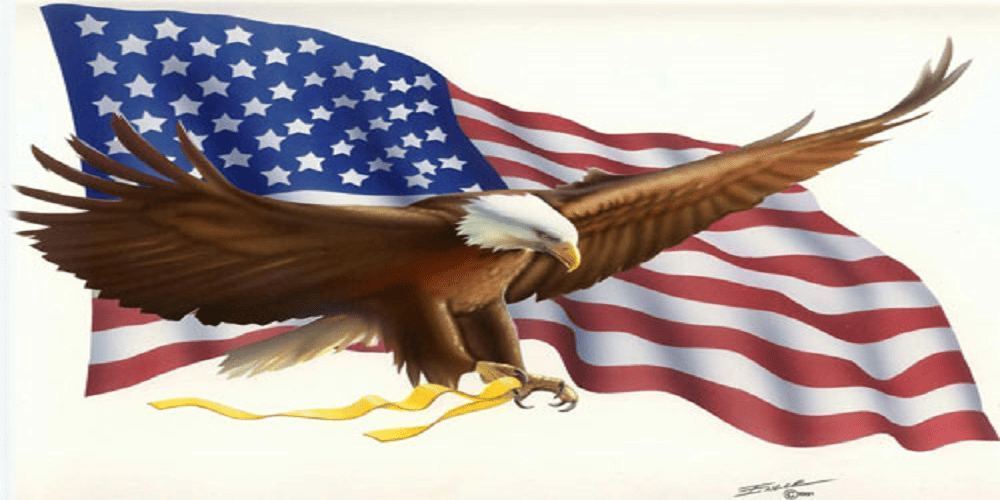
The American flag, often referred to as the Stars and Stripes, stands as one of the most powerful symbols of freedom, democracy, and unity in the world. It represents the history, struggles, and triumphs of the United States of America. From its origins in the late 18th century to its presence in every government building, school, and home, the flag continues to embody the spirit of the nation.
This article explores the history, design, meaning, protocols, and importance of the American flag, providing a complete understanding of why it holds such a sacred place in American culture.
The Origins and History of the American Flag
The American flag’s history dates back to the American Revolution when the thirteen colonies were fighting for independence from British rule. Before the adoption of the official flag, various colonial militias and groups used different banners and flags to represent their unity and defiance against the British crown.
The First Design
The first official American flag was adopted on June 14, 1777, when the Second Continental Congress passed the Flag Resolution. It stated:
“Resolved, That the flag of the United States be thirteen stripes, alternate red and white; that the union be thirteen stars, white in a blue field, representing a new constellation.”
This resolution gave birth to the first design of the United States flag — thirteen red and white stripes representing the thirteen original colonies, and thirteen white stars on a blue field symbolizing a new constellation in the night sky of nations.
Betsy Ross and the Flag Legend
One of the most popular legends associated with the flag is that of Betsy Ross, a Philadelphia seamstress who allegedly sewed the first American flag at the request of George Washington. While historians debate the accuracy of this story, the Betsy Ross legend remains an integral part of American folklore.
Evolution Through Time
As new states joined the Union, new stars were added to the flag. However, the number of stripes was reverted to thirteen to honor the original colonies. The flag has undergone 27 official changes since 1777. The most recent version, featuring 50 stars, was adopted on July 4, 1960, after Hawaii became the 50th state.
The Design and Symbolism of the American Flag
Every element of the American flag holds deep meaning and symbolism that reflects the values and history of the nation.
The Colors
- Red stands for valor and bravery.
- White symbolizes purity and innocence.
- Blue signifies vigilance, perseverance, and justice.
These colors were chosen not only for their aesthetic value but also for their representation of the moral and ethical principles upon which the nation was founded.
The Stars
The stars on the flag represent the 50 states of the United States. The stars are white on a blue background, symbolizing the unity of the states forming one nation under a common sky.
The Stripes
The thirteen stripes — seven red and six white — stand for the thirteen original colonies that declared independence from Great Britain in 1776. The stripes run horizontally across the flag, emphasizing equality among the states.
The Meaning Behind “The Star-Spangled Banner”
The American flag also inspired the national anthem of the United States, “The Star-Spangled Banner.” Written by Francis Scott Key during the War of 1812, the song was inspired by the sight of the American flag still flying over Fort McHenry after a night of heavy bombardment by the British. The resilience of the flag became a symbol of the endurance and determination of the American spirit.
The American Flag in Times of War and Peace
Throughout history, the American flag has been more than a symbol; it has been a rallying point during wars, crises, and celebrations.
In Battle
From the Revolutionary War to modern conflicts in the Middle East, the American flag has been carried by soldiers as a symbol of hope and unity. The sight of the flag raised over Iwo Jima during World War II remains one of the most iconic images of patriotism and courage.
In Mourning
The flag also plays a solemn role in times of mourning. When a service member dies in battle or after military service, the flag is draped over their casket in honor of their sacrifice. The folded flag, presented to the family, represents the gratitude of a nation for their loved one’s service.
Flag Etiquette: How to Properly Display the American Flag
The United States has a detailed code — known as the U.S. Flag Code — that outlines how to display, handle, and respect the flag.
Key Rules of Display
- The flag should always be displayed with the union (blue field with stars) at the top and to the observer’s left.
- It should never touch the ground, floor, or water.
- The flag should only be flown at night if properly illuminated.
- During times of mourning, the flag is flown at half-staff.
- When displayed with other flags, the American flag must always take the highest position of honor.
Folding the Flag
The American flag is traditionally folded into a triangular shape resembling a cocked hat, with only the blue field and stars visible. This folding method has symbolic meaning, representing life, honor, and remembrance.
The American Flag in Popular Culture
The American flag has been featured prominently in art, music, movies, and fashion. It serves as a visual representation of the American identity and its values.
In Art
Artists such as Jasper Johns famously depicted the flag in his 1954–55 painting titled Flag, which reinterpreted the flag as a piece of abstract art. The flag continues to be a canvas for expression, often used to reflect themes of freedom, conflict, and unity.
In Music and Movies
From Bruce Springsteen’s Born in the U.S.A. album cover to Hollywood films like Saving Private Ryan and Independence Day, the American flag is used as a powerful emblem of national pride and sacrifice.
In Fashion
The flag has also influenced fashion, with its colors and design appearing in clothing, accessories, and even sports uniforms. However, according to the Flag Code, the flag itself should not be used as clothing or drapery, out of respect for its symbolic importance.
The Flag as a Political and Social Symbol
Over the years, the American flag has taken on multiple interpretations, reflecting the diversity of the nation itself.
A Symbol of Freedom
For many, the flag is a beacon of freedom and democracy, representing the rights and liberties guaranteed by the Constitution.
A Symbol of Protest
At the same time, the flag has been used in acts of protest. From the civil rights movement to modern demonstrations, individuals have used the flag to express dissent or call for justice. The U.S. Supreme Court has ruled that flag burning, while controversial, is a form of protected free speech under the First Amendment.
The American Flag Around the World
The American flag is recognized globally as a symbol of the United States. It is displayed at U.S. embassies, consulates, and military bases around the world. It also appears in international events such as the Olympic Games, representing the pride and achievements of American athletes.
The Evolution of Patriotism Through the Flag
Patriotism in America has evolved alongside the flag. During times of crisis — such as the September 11 attacks in 2001 — the flag became a symbol of collective grief, resilience, and unity. Americans displayed flags on homes, cars, and public buildings to express solidarity and strength.
Today, the flag continues to unite Americans of different backgrounds under a shared identity. Whether flown during national holidays or held high during parades, the flag reminds citizens of the enduring principles of liberty and equality.
Interesting Facts About the American Flag
- The first American flag was flown on August 3, 1777, in Rome, New York.
- The current 50-star flag was designed by a 17-year-old student, Robert G. Heft, as part of a school project.
- The flag is commonly referred to by names such as “Old Glory,” “The Stars and Stripes,” and “The Star-Spangled Banner.”
- There are 6 U.S. flags on the Moon, placed by Apollo astronauts between 1969 and 1972.
- The flag should be retired respectfully when it becomes worn or damaged, usually by burning in a dignified manner.
The American Flag and National Holidays
Certain national holidays and events are closely associated with the flag:
- Flag Day (June 14): Celebrates the adoption of the flag in 1777.
- Independence Day (July 4): Marks the birth of the nation and is celebrated with flags everywhere.
- Memorial Day and Veterans Day: Days to honor military personnel, often with flag displays and ceremonies.
- Presidents Day: Another occasion when the flag is prominently flown across the country.
These days remind Americans of their shared history and the values that the flag represents.
The Future of the American Flag
As the United States continues to evolve, the flag remains a unifying symbol, bridging generations and communities. Despite differences in political views, the flag continues to remind people of the ideals that form the foundation of the nation — freedom, justice, and equality for all.
The enduring presence of the flag at homes, schools, and national monuments ensures that future generations will continue to understand and honor the significance of this powerful emblem.
Frequently Asked Questions (FAQs)
1. When was the American flag first adopted?
The American flag was officially adopted on June 14, 1777, by the Second Continental Congress.
2. Why does the flag have 13 stripes?
The thirteen stripes represent the original thirteen colonies that gained independence from Great Britain.
3. What do the colors of the flag symbolize?
- Red represents valor and bravery.
- White represents purity and innocence.
- Blue represents vigilance, perseverance, and justice.
4. How many times has the flag changed?
The flag has undergone 27 official changes, with stars added to represent new states joining the Union.
5. Who designed the current 50-star American flag?
The current design was created by Robert G. Heft, a high school student from Ohio, in 1958.
6. What should be done if a flag becomes old or torn?
According to the U.S. Flag Code, a damaged or worn flag should be retired respectfully, usually by burning in a dignified ceremony.
7. Is it illegal to burn the American flag?
No. The U.S. Supreme Court has ruled that flag burning is a form of protected speech under the First Amendment.
8. What is Flag Day and when is it celebrated?
Flag Day is celebrated every year on June 14, marking the anniversary of the flag’s adoption in 1777.
9. How should the flag be displayed at night?
The flag may be displayed at night only if it is properly illuminated.
10. Why is the American flag flown at half-staff?
It is flown at half-staff as a sign of mourning or respect for deceased national figures or during tragic events.
Conclusion
The American flag is more than a piece of fabric — it is a living symbol of the ideals, struggles, and aspirations of the United States. From battlefields to classrooms, from space missions to peaceful protests, it reflects the diversity and resilience of a nation built on freedom and unity. Every wave of the Stars and Stripes tells the story of the American people — their courage, their faith, and their enduring commitment to liberty.
Leave A Comment
0 Comment