
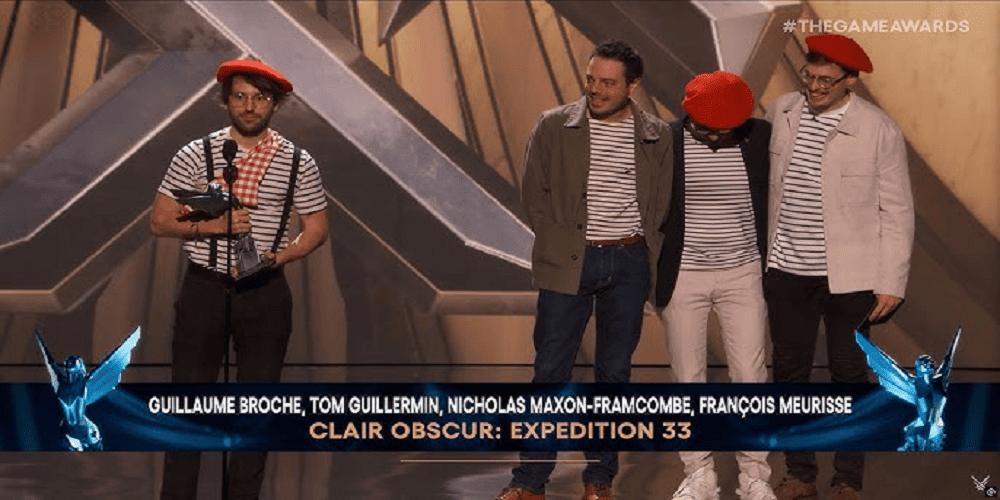
Why Expedition 33 Actually Deserved Game of the Year (And Yes, I’ll Explain)
Look, I don’t usually get worked up about award shows. Most years, the Game of the Year pick feels predictable. You know exactly which big budget sequel or open world snoozefest is going to take the trophy before the nominees are even announced. But 2025 was different. A game came out of nowhere—literally a small French studio I had never heard of—and suddenly everyone was talking about it like it was the second coming of roleplaying games. That game was Clair Obscur: Expedition 33.
I played it back in April when it dropped on Game Pass. Didn’t expect much. The trailer looked pretty, sure, but pretty games are a dime a dozen these days. What I didn’t expect was to still be thinking about it almost a year later. And when the award season rolled around, Expedition 33 didn’t just show up. It cleaned house. The Game Awards gave it nine wins. Nine. Including the big one. Then the Golden Joysticks did the same thing. Then BAFTA. By the time spring 2026 hit, calling Expedition 33 game of the year wasn’t even a debate anymore. It was just a fact.
But why? What made this weird little RPG about a paintress who erases people by age resonate so hard? I’ve got some thoughts. And yeah, I’ll admit some of them are contradictory.
The Awards Run That Nobody Saw Coming
Let me paint you a picture. Late 2025. Every major outlet is running their best games of the year lists. The usual suspects are there—Ghost of Yotei, Death Stranding 2, maybe the new Call of Duty if the reviewers were feeling generous. But Expedition 33 kept popping up at the top of almost every single list. Not just top ten. Number one.
At The Game Awards, the nomination list came out and Expedition 33 had twelve nods. Twelve. That alone was shocking for a debut title from a studio that had never made a game before. Then the winners were announced. Nine trophies. That broke the record for most wins in a single night. They got Game of the Year obviously, but also Best Game Direction, Best Narrative, Best Art Direction, Best Score, Best Performance for Jennifer English who played Maelle, Best RPG, Best Independent Game, and Best Debut Indie Game. It was honestly a little ridiculous to watch.
The Golden Joystick Awards followed suit. Ultimate Game of the Year went to Expedition 33. Also Best Storytelling, Best Visual Design, Best Soundtrack. Multiple performance awards. At that point, I remember thinking, okay, this isn’t just critics being nice. This is a genuine sweep.
Then BAFTA happened in early 2026. They gave it Best Game again. Also Debut Game. Also Performer in a Leading Role for Jennifer English. It didn’t win everything—Lost the music award to Ghost of Yotei and the narrative award to Kingdom Come Deliverance 2—but still. Three BAFTAs for a first game? That’s insane.
So yeah. The whole Expedition 33 game of the year conversation was basically over by December. But the interesting part isn't that it won. The interesting part is why.
The Story That Tricks You Twice
I need to talk about the plot without spoiling too much. But I will spoil one thing because you can’t really explain why this game is special without mentioning the twist. Consider this your warning.
On the surface, Expedition 33 is about a world where a witch called the Paintress erases everyone who reaches a certain age every year. And the age keeps getting lower. So if you’re twenty three this year, maybe next year they erase everyone over twenty two. You get the idea. It’s grim. The last city is called Lumiere. Every year they send out an expedition to try to stop her. Expedition 33 is the latest group. You play as Maelle and her companions.
That’s what the trailers showed. That’s what the marketing pushed. And for the first twenty hours, that’s what you think the game is. A beautiful, sad fantasy about defying fate.
Then the twist hits. And it hits hard.
The world isn’t real. It’s a painting. A pocket dimension created by a grieving father named Renoir who lost his daughter to a fire. The characters aren’t real either. They’re figments. Memories. Wishes painted into existence. Maelle is basically a version of Renoir’s dead daughter, drawn to look like she wasn’t scarred by the fire.
Here’s the thing. When I first learned that, I was annoyed. It felt like the game was telling me nothing I did mattered because these people didn’t actually exist. But the more I sat with it, the more I realized that was exactly the point. The game asks you: does being painted make your pain less real? Does loving someone who isn’t technically alive make that love meaningless? The characters don’t know they’re paintings. They hurt. They bleed. They cry. Why should the truth of their origin change their worth?
That’s why the narrative awards kept piling up. The writing doesn’t just surprise you once. It recontextualizes everything you’ve already played. Dialogues you shrugged off the first time become gut punches the second time. A villain’s rant becomes a father’s sob. It’s rare for a game to earn that kind of replay value from story alone.
Why The Painting Look Actually Matters
Most games that try to look like art end up just looking like games with a filter slapped on top. Expedition 33 doesn’t have that problem. The visual style isn’t decoration. It’s the whole point.
The game looks like a watercolor painting that’s still wet. Edges blur slightly. Colors bleed into each other. There’s this softness to everything that makes the world feel fragile, which makes sense because the world literally is a painting. The art direction won best in show at almost every award ceremony, and for once I actually agreed with the voters. You can’t separate the visuals from the story. They’re the same thing.
The music deserves just as much credit. Lorien Testard composed this soundtrack that mixes sad piano pieces with these intense, almost stressful battle themes. There’s a track called “Une vie à t’aimer” that plays during one of the hardest boss fights in the game. I died to that boss maybe fifteen times. But I didn’t get mad because the music made every death feel like part of a tragedy instead of a failure. That’s good composition right there.
And the voice acting. Jennifer English as Maelle won Best Performance and I’ll fight anyone who says otherwise. She has to play a character who starts as a determined young soldier, slowly realizes she might not be real, and then has to find meaning anyway. That’s a huge range. And she does it mostly through small vocal shifts. A tiny break in her voice here. A sudden hardness there. By the end, you forget you’re listening to an actor. You just hear Maelle.
The Combat That Keeps You Awake
I’ll be honest. I usually hate turn based RPGs. I get bored. I start mashing the attack button and zoning out. Expedition 33 fixed that problem by making every single action require a timing input.
When you select an attack, a little ring appears on screen. Hit the button at the right moment and you do bonus damage. Miss it and you do less. Same thing for defending. Enemies telegraph their attacks, and if you tap the parry button at exactly the right frame, you take no damage and stun them. It sounds simple. It is not simple. Especially later in the game when enemies start throwing three or four attacks in a row with different rhythms.
This system kept me engaged for forty five hours. I couldn’t zone out because zoning out meant dying. But it also wasn’t reaction based like a Souls game. You still have time to think. You still manage resources and plan turns. The rhythm stuff just makes sure you’re paying attention during the execution.
There’s also a free aim mechanic that lets you spend action points to manually target enemy weak points without ending your turn. That saved me more times than I can count. A boss would have a glowing crystal on its shoulder that I couldn’t reach with melee attacks, so I’d switch to free aim, ping it with a pistol shot, and stagger it. Really satisfying stuff.
And the customization. Pictos are basically accessories, but if you master them by winning enough battles, their bonuses become permanent passives for your whole party using something called Lumina points. This meant I was constantly swapping gear around, trying different combinations, never really settling on one build. That kind of depth usually only shows up in games with triple the budget.
The Indie Label Debate Was Annoying But Fair
Okay. I have to address this because it came up constantly during award season. Expedition 33 won Best Independent Game and Best Debut Indie Game. And a lot of people got mad.
Their argument was simple. This game had a ten million dollar budget. It had celebrity voice actors like Andy Serkis and Charlie Cox. It had a full marketing campaign with trailers at major showcases. How is that indie?
Technically, Sandfall Interactive isn’t owned by Sony or Microsoft or any other publisher. So yes, by the strict definition, they’re independent. But compare Expedition 33 to something like Balatro or Animal Well. Those are actual indie games made by one or two people in their apartments. Putting them in the same category feels wrong.
I get both sides. The smaller developers deserved recognition. But also, the rules are the rules, and Expedition 33 qualified. The debate didn’t take away from the game’s quality. If anything, it proved people cared enough to argue about it.
Not Everyone Loved The Ending
For all the praise, Expedition 33 wasn’t perfect. And I think it’s fair to point out where some players bounced off.
The biggest complaint was the pacing. The first few hours are slow. Really slow. You walk around this beautiful but empty world, talking to NPCs who all sound depressed (understandably), and not much happens. I almost quit twice during the opening section. A friend of mine did quit. He never saw the twist because he got bored before reaching it. That’s a real problem.
The ending also divided people. Some players, myself included eventually, loved the philosophical angle. But others felt cheated. Finding out that the characters were “just a figment of a dead man’s imagination” made their sacrifices feel hollow. One review I read said it best: “I spent forty hours caring about these people only to be told they never existed. That’s not profound. That’s mean.”
Valid criticism. I don’t fully agree with it, but I understand why someone would feel that way. Art is subjective. Not every masterpiece works for every person.
Final Thoughts
So after all of that, do I think Expedition 33 deserved Game of the Year? Yes. Unequivocally yes.
It took risks that most big studios wouldn’t touch. A turn based combat system in an era where everyone wants real time action. A narrative twist that retroactively changes the meaning of the entire game. A visual style that prioritizes artistic expression over gritty realism. And it landed every single risk.
The fact that this was Sandfall’s first game makes it even more impressive. Most studios need two or three tries to figure out what kind of games they want to make. Sandfall nailed it on attempt one.
Will Expedition 33 be remembered ten years from now? I think so. Not just because of the awards, but because it did something that few games manage. It made me feel genuine grief for characters that don’t exist. And then it had the courage to ask me whether that grief mattered anyway.
Yeah. Game of the year. Easy.
FAQs
What exactly is Expedition 33 about?
A paintress erases everyone who reaches a certain age each year. You lead a group called Expedition 33 to stop her. But halfway through, you learn the whole world is actually a painting created by a grieving father. The characters are painted versions of real people.
How many Game of the Year awards did it actually win?
It won the big one at The Game Awards, the Golden Joysticks, and the BAFTAs. Also picked up a bunch of category wins at those same shows. Nine wins total at The Game Awards alone.
Is this really an indie game or are people just calling it that?
Technically yes because the developer isn’t owned by a big publisher. But realistically, it had a ten million dollar budget and famous voice actors. So the label is controversial.
What makes the combat different from other turn based RPGs?
Every attack and defense requires a timed button press. Hit it right and you deal bonus damage or take none. Miss it and you suffer. Keeps you from zoning out during battles.
Who should I watch out for in the voice cast?
Jennifer English plays Maelle and won Best Performance at The Game Awards. Also has Andy Serkis, Ben Starr, and Charlie Cox. Really stacked lineup.
Why didn’t some people like the ending?
The twist that the characters aren’t real made some players feel like their journey didn’t matter. Felt mean rather than meaningful to them.
Can I play this on Game Pass?
Yeah it launched on Game Pass day one back in April 2025. Still there as far as I know.
Will there be a sequel?
Nothing announced yet. But given how many awards it won, I’d be shocked if someone isn’t asking Sandfall about it constantly.
What does Clair Obscur mean anyway?
French for light dark. It’s an art term about contrast between light and shadow. Fits perfectly with the game’s themes about truth and illusion.
Is the game actually hard or just complicated?
Both. The combat requires real timing skill. But if you play on lower difficulties, the timing windows are more forgiving. Normal mode will kick your butt though.
Leave A Comment
0 Comment