
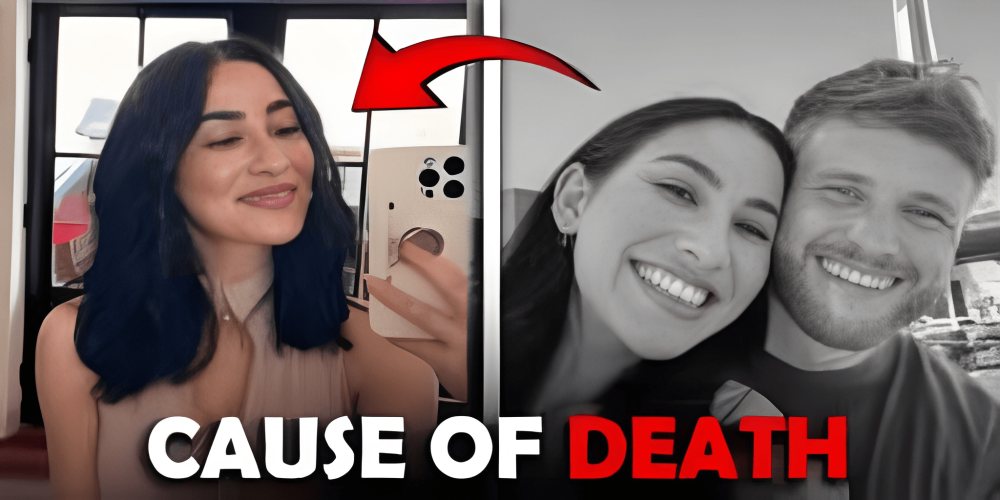
When news broke in early March 2026 that Stephanie Buttermore had passed away, the fitness world pretty much stopped. She wasn't just another influencer. She was a powerlifter, a scientist with a real PhD, and someone who had spent years being brutally honest about her own body struggles. Millions of people followed her. And when the announcement came, the grief was immediate. But so was confusion. Because the one question everyone kept asking—what exactly was the stephanie buttermore cause of death—didn't come with a clear answer.
Even now, weeks later, that question still hangs in the air. This piece walks through the known facts, the gaps in information, and the legacy she left behind. No speculation. Just what has actually been confirmed.
How the World Found Out
The first confirmation came from her fiancé, Jeff Nippard. He's well known in the same circles—a natural bodybuilder and someone who, like Stephanie, values science over hype. On March 6, 2026, his team posted a short statement across his social media accounts. It was simple, sad, and direct.
It said that Jeff's fiancée and partner of ten years had passed away suddenly. It talked about her warmth, her love for family, and her PhD research into ovarian cancer. And it asked for privacy.
That statement did one thing clearly: it confirmed she was gone. But it didn't say how. It didn't give any medical detail. So right away, people started wondering about the stephanie buttermore cause of death, even though the family hadn't offered that information.
A few weeks later, more details about timing came out. Jeff's team later shared that Stephanie had actually died on February 25, 2026. That was just days after her 36th birthday. The public only learned about it in March because the family needed time first. That makes sense. Nobody thinks about press releases when they're burying someone they love.
Then in late April 2026, Jeff broke his silence again. He wrote a long tribute. He talked about falling in love with her while reading her PhD dissertation—not exactly standard romance, but very on brand for them. He mentioned spending time with her family, building a garden in her memory because purple was her favorite color. But again, he didn't discuss the stephanie buttermore cause of death. He focused on who she was, not how she left.
Why the Lack of Details Feeds Speculation
When a young, fit, seemingly healthy person dies, people want answers. That's human nature. And when those answers don't come, the rumor mill starts turning.
The official statement used the word "sudden." Medically speaking, that usually means death happened within hours or maybe a day or two of the person seeming fine. But sudden doesn't tell you why. It could be a hidden heart condition. It could be a blood clot. It could be something else entirely. Without an autopsy report or a family statement, nobody knows.
What makes this even trickier is that Stephanie had been very open in the past about her health struggles. She wasn't the kind of person who hid things. Years ago, she documented something she called her "All In" journey. She had lost her menstrual cycle from years of restrictive dieting and over-exercising. So she deliberately ate more, gained weight, and fixed her hormones. She showed all of it online. It helped thousands of women realize that losing your period isn't a fitness win—it's a medical red flag.
More recently, in May 2024, she announced she was quitting social media. Her last Instagram post said she had been dealing with severe, crippling anxiety. The kind that made it hard to breathe or leave her house. She said she needed to step away for her own mental health.
But here's the important part. None of that has been linked to her death. Not officially. It would be easy for someone to assume anxiety or past dieting caused whatever happened. But assuming isn't the same as knowing. And right now, nobody outside her inner circle knows the real stephanie buttermore cause of death.
A Life That Meant More Than How It Ended
It's easy, in moments like this, to get stuck on the ending. But Stephanie Buttermore's life deserves more attention than her death.
She had a PhD in Biomedical Sciences. That's not an honorary degree or an online certificate. She specialized in pathology and cell biology. Her actual research focused on ovarian cancer—specifically a protein called RHAMM that might help with early detection. This wasn't performative intelligence. She was a real scientist who contributed real knowledge to a disease that kills too many women.
On YouTube, she built a following by explaining complicated physiology in ways normal people could understand. She didn't scream at the camera or sell detox teas. She talked about metabolism, hormones, and hunger like a professor who also happened to be jacked.
And then there was the "All In" series. That was her most vulnerable work. She filmed herself eating more, gaining weight, and watching her body change. She cried on camera sometimes. She admitted it was scary. But she did it because she knew the science said she had to. After that series ended, she received countless messages from women who said she saved them from years of disordered eating.
After her death, adult content creator Annie Knight posted publicly that Buttermore had helped her overcome a thirteen-year eating disorder. Thirteen years. That's not a small thing. That's a life changed.
So when people search for the stephanie buttermore cause of death, they're not just being morbid. They're trying to make sense of a loss. But the reason it hurts so much is because she mattered while she was alive.
Frequently Asked Questions
Because so much remains unknown, these FAQs focus on what has been confirmed rather than what people are guessing.
- Have officials released the stephanie buttermore cause of death?
No. As of now, no medical examiner, coroner, or family member has publicly stated the stephanie buttermore cause of death. Jeff Nippard has not shared those details, and the family continues to ask for privacy.
- Did she have cancer herself?
There is no public information suggesting Stephanie Buttermore had cancer. She researched ovarian cancer for her PhD, but that doesn't mean she was a patient. Those are two very different things.
- Was her death related to the "All In" journey or her anxiety?
Nobody knows for sure because nothing has been confirmed. She had openly discussed anxiety and past hormonal issues, but no official source has connected those to her death. Linking them without evidence is just guessing.
- When exactly did she die?
She passed away on February 25, 2026. The public announcement came on March 6, 2026. She had just turned 36 years old a few days before she died.
- Has Jeff Nippard addressed the cause?
In every public statement so far, Jeff Nippard has chosen to talk about Stephanie's life, not her death. He has shared memories, posted about her dissertation, and mentioned building a garden for her. He has not given any details about how she died.
- Were there warning signs before she died?
In her final months, Stephanie had retired from social media to focus on treating her anxiety. She described her life during that time as peaceful and free from online pressure. There were no public warnings of a terminal illness or medical crisis.
- How old was she?
Stephanie Buttermore was 36 years old when she died. That's part of why her death felt so shocking to so many people. She was young, active, and seemingly healthy.
- How is her memory being kept alive?
Jeff Nippard and her family have built a purple garden in her memory. He also keeps a link to her doctoral dissertation in his social media bio so people can read the work she was most proud of. Fans continue to share her old videos, especially the "All In" series, as a way of saying thank you.
A Final Thought
It is completely normal to want answers. When someone dies young and suddenly, not knowing feels almost intolerable. But sometimes families choose to keep those details private, not because they're hiding something, but because grief is personal. The stephanie buttermore cause of death may eventually become public. It may not. Either way, the more lasting question isn't how she died. It's how she lived. And by that measure, she left behind something real—scientific work, honest conversations about bodies and food, and a lot of people who are better off because she existed.
Leave A Comment
0 Comment