
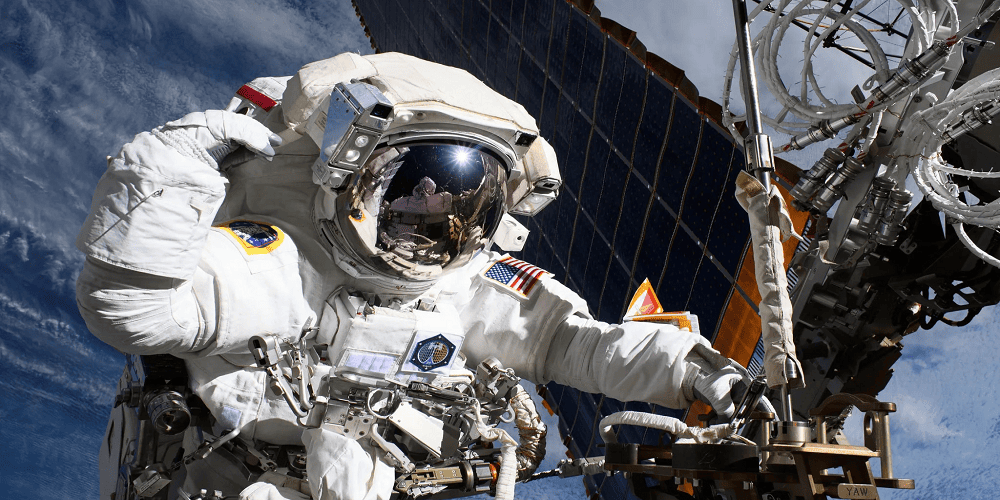
NASA astronauts are among the most highly trained professionals in the world. They represent human curiosity, scientific excellence, and the relentless desire to explore beyond Earth. From the early days of the Space Race to modern missions aboard the International Space Station and future plans for the Moon and Mars, NASA astronauts have played a critical role in shaping humanity’s understanding of space.
This detailed guide explores everything you need to know about NASA astronauts, including who they are, how they are selected, their daily life, training process, historic missions, challenges in space, and what the future holds for human spaceflight.
Who Are NASA Astronauts?
NASA astronauts are individuals selected by the National Aeronautics and Space Administration to pilot spacecraft, conduct scientific research, and perform space missions. They come from diverse professional backgrounds such as engineering, medicine, military aviation, geology, and physics.
NASA astronauts are not just pilots. Many are scientists who perform experiments in microgravity, study Earth from orbit, repair satellites, and test new technologies that will be used for future deep-space missions.
Over the decades, NASA astronauts have become symbols of international cooperation, innovation, and courage.
History of NASA Astronauts
The Early Years
The journey of NASA astronauts began in 1959 with the selection of the “Mercury Seven.” These first astronauts paved the way for human spaceflight during a time when space travel was largely uncharted territory.
Early NASA astronauts focused on answering fundamental questions:
- Can humans survive in space?
- Can spacecraft be controlled by humans?
- How does weightlessness affect the body?
Apollo Era
The Apollo program marked a defining chapter in the history of NASA astronauts. Between 1968 and 1972, astronauts traveled to the Moon, with Apollo 11 achieving the historic first lunar landing.
NASA astronauts like Neil Armstrong, Buzz Aldrin, and Michael Collins became household names, inspiring generations around the world.
Space Shuttle Program
From 1981 to 2011, NASA astronauts flew aboard reusable Space Shuttles. This era focused on:
- Building the International Space Station
- Deploying satellites
- Conducting long-duration space missions
The Space Shuttle program expanded the diversity of NASA astronauts, welcoming scientists, women, and international crew members.
How NASA Astronauts Are Selected
Becoming a NASA astronaut is extremely competitive. Thousands apply, but only a small group is selected each cycle.
Basic Requirements
NASA astronauts typically must have:
- A master’s degree in engineering, science, or mathematics
- Significant professional experience or military pilot hours
- Excellent physical and mental health
- Strong teamwork and communication skills
Selection Process
The selection process includes:
- Detailed application screening
- Medical evaluations
- Psychological assessments
- Panel interviews
- Group exercises
Only candidates who demonstrate technical excellence, leadership, and adaptability are chosen to become NASA astronauts.
Training of NASA Astronauts
Training is one of the most intense aspects of life as a NASA astronaut. It can take years before an astronaut is assigned to a mission.
Basic Astronaut Training
Newly selected NASA astronauts undergo training that includes:
- Spacecraft systems and operations
- Survival training on land and in water
- Robotics and spacewalk practice
- Russian language training for ISS missions
Physical Training
NASA astronauts must maintain peak physical condition. Training includes:
- Strength and endurance workouts
- Neutral buoyancy training to simulate spacewalks
- High-G force exposure
- Emergency simulations
Mission-Specific Training
Once assigned to a mission, NASA astronauts train for specific tasks such as:
- Scientific experiments
- Maintenance and repair work
- Docking procedures
- Emergency scenarios
Life of NASA Astronauts in Space
Life in space is very different from life on Earth. NASA astronauts must adapt to microgravity, confined spaces, and long periods away from family.
Daily Routine
A typical day for NASA astronauts includes:
- Conducting experiments
- Exercising for about two hours
- Communicating with mission control
- Performing maintenance tasks
- Observing Earth and space
Despite the challenges, many NASA astronauts describe space as a deeply meaningful and transformative experience.
Eating and Sleeping in Space
Food for NASA astronauts is carefully prepared to work in microgravity. Meals are often freeze-dried and rehydrated with water.
Sleeping involves strapping into sleeping bags attached to walls, preventing the body from floating freely.
Challenges Faced by NASA Astronauts
Physical Challenges
NASA astronauts face several health risks, including:
- Muscle and bone loss
- Changes in vision
- Fluid shifts in the body
- Exposure to radiation
These challenges are carefully studied to ensure astronaut safety during long missions.
Mental and Emotional Challenges
Living in space can be mentally demanding. NASA astronauts must manage:
- Isolation
- Confinement
- Stress from high-risk tasks
- Separation from loved ones
Psychological training and support are crucial components of astronaut preparation.
NASA Astronauts and the International Space Station
The International Space Station is one of the most important workplaces for NASA astronauts today.
NASA astronauts aboard the ISS:
- Conduct experiments that benefit medicine and technology
- Study the effects of long-duration spaceflight
- Test systems for future missions to the Moon and Mars
- Collaborate with astronauts from other countries
The ISS has helped NASA astronauts gain valuable experience for deeper space exploration.
Women and Diversity Among NASA Astronauts
NASA astronauts today reflect greater diversity than ever before. Women and people from various cultural backgrounds now play leading roles in space missions.
Female NASA astronauts have:
- Commanded space missions
- Performed spacewalks
- Contributed to major scientific discoveries
Diversity strengthens NASA’s astronaut corps by bringing a wide range of perspectives and problem-solving approaches.
Famous NASA Astronauts
Over the years, many NASA astronauts have left a lasting impact.
Some well-known NASA astronauts include:
- Neil Armstrong
- Buzz Aldrin
- Sally Ride
- John Glenn
- Chris Hadfield
- Peggy Whitson
Each of these individuals contributed uniquely to space exploration and inspired future generations.
NASA Astronauts and Spacewalks
Spacewalks, officially called extravehicular activities, are among the most dangerous tasks NASA astronauts perform.
During spacewalks, NASA astronauts:
- Repair and upgrade spacecraft
- Install new scientific equipment
- Test new tools and technologies
These activities require extreme precision, coordination, and courage.
Future of NASA Astronauts
Artemis Program
The Artemis program represents the next major chapter for NASA astronauts. The goal is to return humans to the Moon and establish a long-term presence.
NASA astronauts will:
- Explore new lunar regions
- Test technologies for Mars missions
- Build lunar infrastructure
Missions to Mars
NASA astronauts are also preparing for future missions to Mars. These missions will require:
- Long-duration space travel
- Advanced life-support systems
- Psychological resilience
The experience gained by NASA astronauts on the ISS and Moon will be critical for reaching Mars.
Role of NASA Astronauts in Scientific Advancement
NASA astronauts contribute significantly to science and technology. Their work has led to:
- Medical research breakthroughs
- Improvements in materials science
- Better understanding of climate change
- Innovations used in everyday life
The research conducted by NASA astronauts benefits people far beyond the space program.
How NASA Astronauts Inspire the World
NASA astronauts inspire students, scientists, and dreamers across the globe. Through public outreach, education programs, and media appearances, they encourage interest in science, technology, engineering, and mathematics.
Many NASA astronauts actively engage with schools and communities, sharing their experiences and motivating the next generation of explorers.
FAQs About NASA Astronauts
What do NASA astronauts do?
NASA astronauts conduct space missions, perform scientific experiments, maintain spacecraft, and help develop technologies for future exploration.
How long does it take to become a NASA astronaut?
The process can take many years, including education, professional experience, selection, and extensive training.
Do NASA astronauts get paid?
Yes, NASA astronauts are paid government salaries based on their experience and position.
Can civilians become NASA astronauts?
Yes, civilians with the required education, experience, and qualifications can apply to become NASA astronauts.
How long do NASA astronauts stay in space?
Mission lengths vary. Some missions last a few days, while others, especially on the ISS, can last six months or longer.
Are NASA astronauts still going to the Moon?
Yes, through the Artemis program, NASA astronauts are preparing to return to the Moon and establish a sustainable presence.
Do NASA astronauts age faster in space?
Time dilation effects exist but are extremely small. However, physical changes due to microgravity are more significant than aging effects.
Conclusion
NASA astronauts represent the best of human ambition and scientific achievement. Through rigorous training, immense dedication, and unwavering courage, they push the boundaries of what is possible. From historic Moon landings to ongoing research aboard the International Space Station and ambitious future missions to Mars, NASA astronauts continue to shape the future of space exploration.
As technology advances and global cooperation grows, NASA astronauts will remain at the forefront of humanity’s journey beyond Earth, inspiring millions and expanding our understanding of the universe.
Leave A Comment
0 Comment